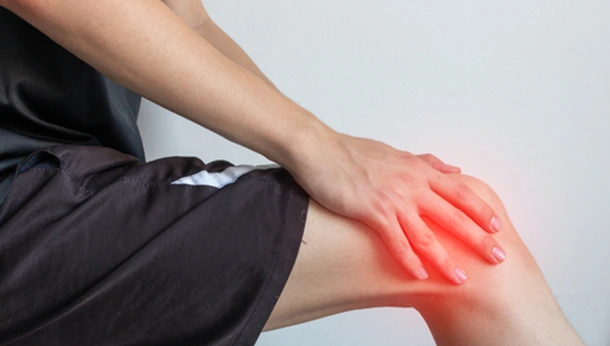
Most athletes don’t decide to see an orthopaedic doctor after a single bad training session. It usually starts small, like a knee that feels sore at the end of a run, or a hip that tightens earlier than it used to and takes longer to settle. It’s easy to work around at first. You adjust your pace. You stretch more. You assume it’s part of being active.
What changes things, though, is the pattern. The discomfort stops being occasional. Instead, it becomes familiar. And somewhere along the way, you realise you’re no longer asking whether it hurts, but whether pushing through it is still a good idea.
At Hip & Knee Orthopaedics in Singapore, many athletes discover that the most useful part of an appointment is not the scan or the diagnosis itself, but the chance to finally slow things down and talk through what has been happening to their body over time—and what it might mean if nothing changes.
“What do you think is actually behind this pain?”
Athletes tend to describe pain by location, and that makes sense. Front of the knee. Deep in the hip. Along the outside of the joint. It’s a natural starting point. But pain location alone rarely explains why the problem started or why it keeps returning.
What often matters more is how the load is being absorbed. Repetition without enough recovery. Subtle changes in movement when fatigue sets in. Strength imbalances that only show up under pressure. Sometimes the painful structure is not the original issue at all. It’s the one taking on extra work because something else is not doing its share.
Asking this question invites your doctor to connect those dots. Not just what hurts, but why it makes sense that it hurts, given your sport, your training history and how your body moves. Once that picture is clear, the next steps usually become clearer too.
“Is this something that tends to settle, or does it usually stick around?”
Some joint problems calm down once training is adjusted and recovery improves. Others have a habit of easing temporarily, then returning the moment intensity picks up again. The difference often comes down to duration and pattern.
Pain that has been coming and going for months, or that never fully settles between sessions, tends to behave differently from a short-lived flare.
This question helps shift the focus away from guessing and towards planning, especially if you’ve already tried rest and self-management without lasting results.
“Do I actually need a scan, or would it just confirm what you already suspect?”
Many athletes assume imaging is the next step, but scans are most helpful when they answer a specific question. Is there cartilage involvement that affects how much load the joint can tolerate? Is joint stability compromised? Is there a reason progress has stalled despite sensible changes?
In a considerable number of cases, a careful assessment already provides most of the information needed early on, and in these instances, imaging can wait. Talking this through helps you understand not only whether a scan is useful, but also how the results would influence decisions. It also avoids placing too much weight on findings that are common in active bodies and not always linked to pain.
“Can I keep training in some form, or am I making this worse?”
This is often the question athletes worry about asking, especially when sport plays a big role in daily life.
The answer is rarely a simple yes or no. More often, it involves modifying load, reducing certain movements or adjusting intensity rather than stopping completely. The goal is to remove the stress that matters while keeping what is safe.
Evidence published in the International Journal of Sports Physical Therapy shows that continuing high-impact activity with certain knee and hip conditions can increase the risk of longer recovery if underlying issues are not addressed.
Clear guidance here allows athletes to stay active without quietly compounding the problem.
“What can we realistically try before surgery is even a conversation?”
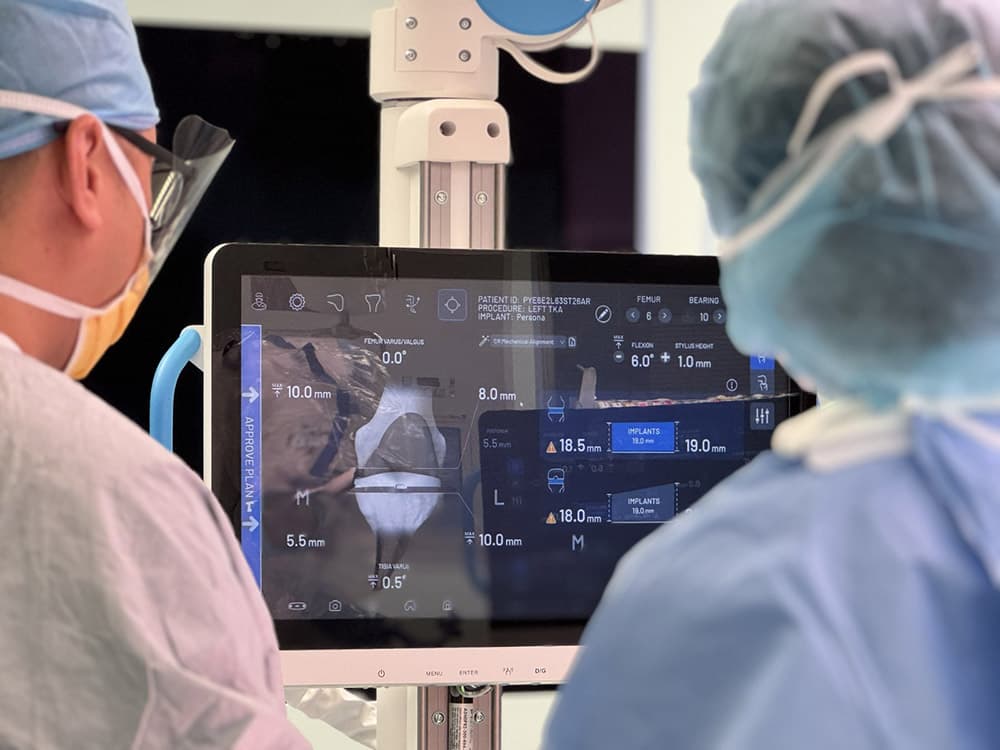
For some sports-related joint pain, surgery is not where treatment begins.
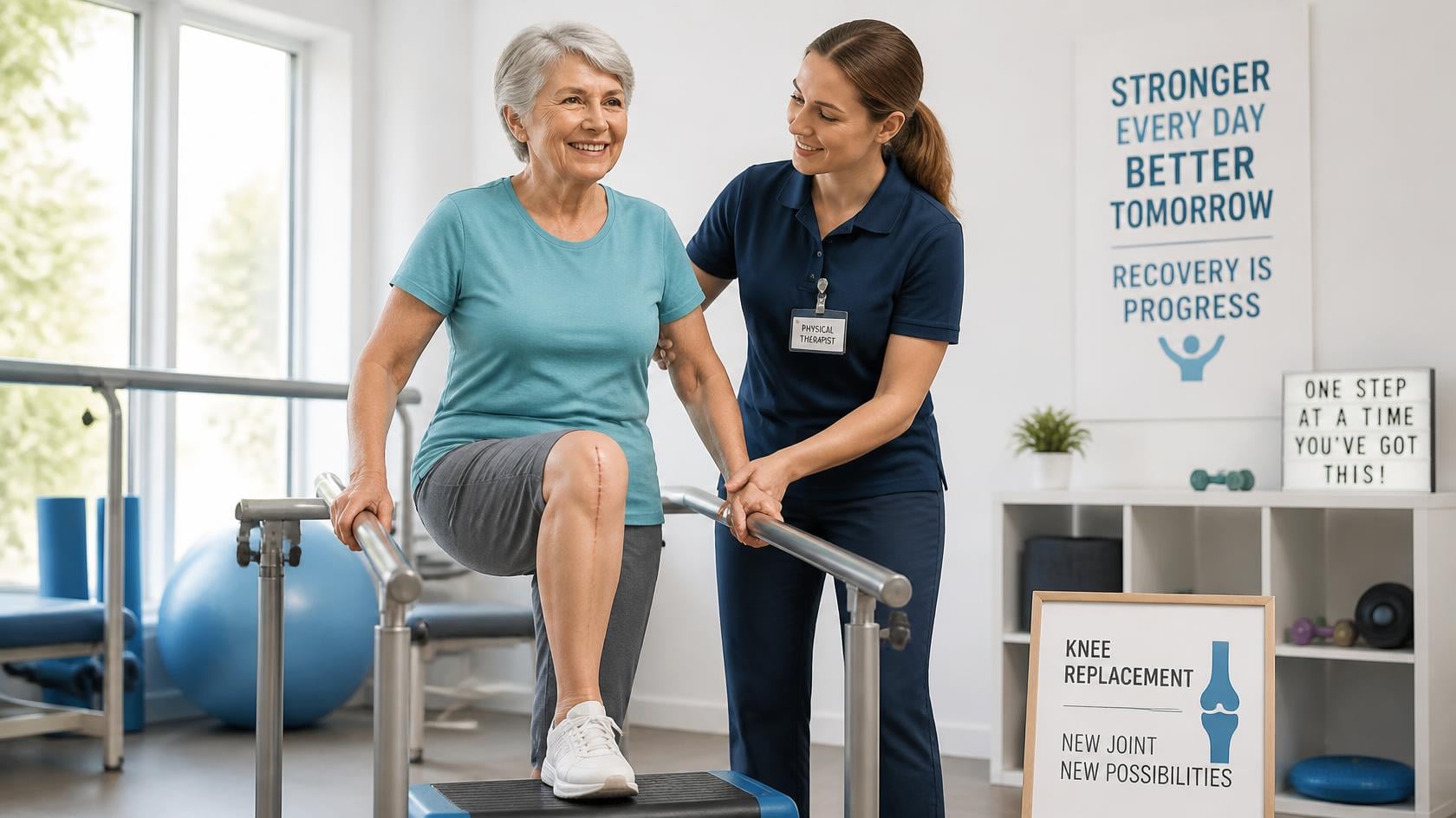
Rehabilitation, strength work and movement retraining form the backbone of care. In some situations, injections may help reduce pain enough to allow proper rehab to progress. What matters most is having a clear sequence—what comes first, what progress should look like and when reassessment is needed.
Large reviews in the Journal of Orthopaedic & Sports Physical Therapy consistently support exercise-based management as first-line care for many knee and hip conditions, including in competitive athletes.
When athletes understand the plan, commitment tends to follow.
“What changes should make me check back in sooner?”
Athletes are often very good at tolerating discomfort, which makes this question especially important.
Swelling that does not settle, pain that becomes sharper, catching or giving way, or a steady loss of movement are all signs that deserve review. Knowing this ahead of time removes uncertainty and helps you respond earlier rather than waiting and hoping things improve on their own.
“What does recovery usually look like for something like this?”
Recovery is rarely neat. There are good weeks and slower ones. Strength and control often improve before pain fully settles, and confidence under load may come last.
Thinking in phases rather than fixed timelines helps manage expectations.
This perspective helps reduce frustration when progress feels uneven.
“If I ignore this, what does that mean long term?”
This question is about context, not alarm.
Some joint injuries, particularly those involving cartilage or stability, are linked to higher rates of ongoing symptoms later in life if poorly managed. That does not mean every issue leads there, but it does mean some patterns benefit from early attention.
Long-term studies show higher rates of persistent joint symptoms in athletes after joint injuries, especially when damage goes unnoticed or untreated.
Short-term goals matter. So does staying active well beyond competition years.
A Better Conversation Changes Everything
Joint pain is not a personal failing. It is information.
Walking into an orthopaedic appointment with thoughtful questions changes the tone of the visit. You move from waiting for answers to taking part in decisions that affect both performance now and movement later in life.
At Hip & Knee Orthopaedics in Singapore, the focus is on clarity without pressure and guidance without guesswork. When athletes understand what is happening and why, decisions feel less reactive and more intentional, and the path forward becomes easier to commit to.
This article was reviewed by Dr Adrian Lau, Specialist Orthopaedic Surgeon at Hip & Knee Orthopaedics.