Anterior Knee Pain and Patella Instability in Singapore
Multiple factors can cause Anterior Knee Pain and Patella Instability. If the knee cap is dislocated due to any cause, we can help with proper diagnosis and treatment. Our clinic uses modern techniques to carefully manipulate dislocated caps back into the groove.
Our surgeons can evaluate and treat your patella instability with care and ensure a speedy recovery.
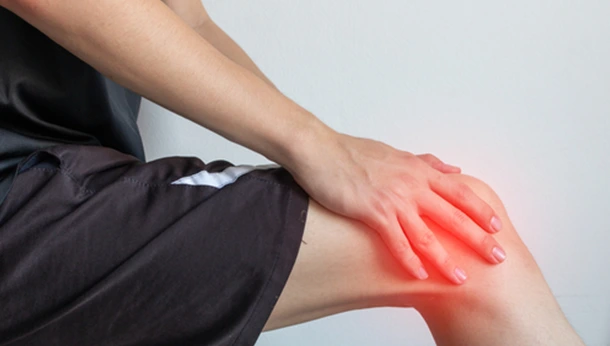
Anterior knee pain is pain at the front of the knee, around or behind the kneecap (patella). It is one of the most common knee complaints, and you may also hear it called runner’s knee or patellofemoral pain.
The kneecap sits in a groove at the end of the thigh bone (femur). When you bend and straighten your knee, it glides up and down this groove, guided by the surrounding muscles, tendons and ligaments. Pain can develop when the kneecap doesn’t track smoothly or when the joint is under repeated stress.
Common causes include:
Muscle weakness or imbalance around the hip and thigh, which affects how the kneecap moves
Tight structures on the outer side of the knee that pull the kneecap sideways
Overuse, especially from running, jumping or activities with frequent squatting and kneeling
Cartilage softening or damage behind the kneecap (chondromalacia patellae)
Patella instability, where the kneecap is prone to slipping partly or fully out of its groove
Anterior knee pain is common in active teenagers and young adults, but it can affect anyone. Although it is rarely serious, persistent pain is worth having assessed so the underlying cause can be treated properly.
What is Patella Instability and Dislocation?
Patella instability is when the kneecap doesn’t stay securely in its groove at the end of the thigh bone. Instead, it shifts partly or fully out of place, usually towards the outer side of the knee. It ranges from mild to severe:
Subluxation is a partial dislocation, where the kneecap slips partly out of the groove and then moves back on its own. Many patients describe this as the knee feeling unstable or “giving way.”
Dislocation is when the kneecap moves completely out of the groove. This is often sudden and painful, the knee may look visibly out of shape, and most people fall and are unable to walk afterwards.
A dislocation often happens during a twisting movement, such as changing direction in sport, or from a direct blow to the knee. In some people, the shape of the knee or how the bones are aligned makes the kneecap more likely to slip out, even with relatively minor movements.
After a first dislocation, the ligaments that hold the kneecap in place may be stretched or torn, making further episodes more likely. That is why an assessment is recommended even if your kneecap went back into place by itself.
Screening For New Patients
Single Knee
$235 exclusive of GST
Evaluation of Knee Pain with X-ray
Includes the following done on the same day:
Consultation
X-ray single knee – weightbearing AP, lateral, skyline view; and
Problems of the knee cap often manifest in one of several ways:
Pain over the front of the knee especially in activities involving knee flexion, such as stair climbing, rising from a chair, or deep squatting..
A feeling of giving way with or without pain.
Patella dislocation – where the knee cap moves out of the groove of the femur, this is often sudden and patients fall to the ground and are unable to walk after.
How We Can Help
In cases where a dislocation has occurred, the knee cap often has to be manipulated back to the groove. Under sedation, our doctors can help to pop back the knee cap. An X-ray is often done after that to ensure that the knee cap has gone back to its usual location
In cases where there is a sensation of giving way, the clinical term for that is patella instability.
Risk factors for patella instability:
General factors:
Lax ligaments
Previous patella instability event
Malalignment or rotational problem of the femur/tibia
Anatomical factors:
High riding patella
Femur groove not well formed (trochlear dysplasia)
Muscle/Ligament
Medial ligament tear (MPFL tear)
Tight lateral structures
The Treatment Procedure
Most patients improve without surgery. If your kneecap keeps dislocating or your knee keeps giving way, surgery can correct the underlying problem.
What Happens After a Kneecap Dislocation?
If your kneecap hasn’t slipped back into place on its own, our doctors can gently relocate it under sedation. An X-ray afterwards confirms it is back in position and checks for any small fractures. An MRI may also be recommended to look for cartilage or ligament damage. The knee is then usually supported in a brace while the soft tissues heal.
You should see a knee specialist even after a first dislocation, because some patients go on to have repeat episodes.
Non-Surgical Treatment
Most cases of anterior knee pain, and many first-time dislocations, can be managed with:
Activity advice on which movements to modify for now, such as deep squatting or prolonged stair climbing
Physiotherapy to loosen tight structures and strengthen the thigh and hip muscles that keep the kneecap tracking properly
Bracing or taping to support the kneecap during recovery
Pain relief such as anti-inflammatory medication, where suitable
When is Surgery Needed?
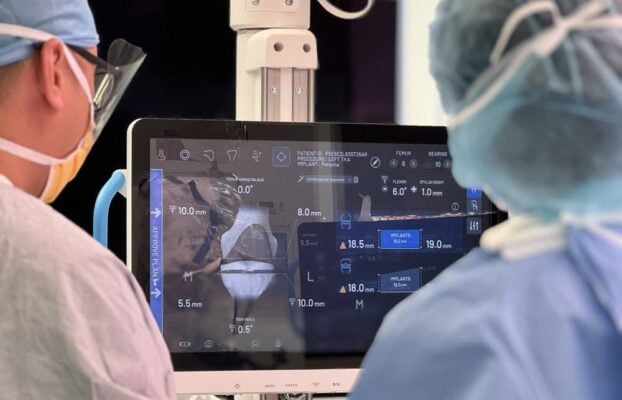
Surgery may be recommended if you have a torn ligament, recurrent kneecap dislocations, or severe pain or instability despite adequate non-surgical treatment. The right procedure depends on why your kneecap is unstable, and some patients need a combination:
MPFL reconstruction: rebuilds the main ligament holding the kneecap in place, usually using a hamstring tendon graft
Tibial tubercle osteotomy: a bone cut at the top of the shinbone to realign the kneecap tendon so the kneecap tracks correctly
Trochleoplasty: deepens a shallow groove at the end of the thigh bone so the kneecap sits more securely
Lateral release: loosens tight tissues on the outer side of the knee that pull the kneecap sideways, usually alongside other procedures
How is Knee Pain Diagnosed?
Finding the right treatment starts with an accurate diagnosis. At your consultation, our orthopaedic surgeon will:
Take a detailed medical history to understand your symptoms, when the pain started, and what makes it better or worse
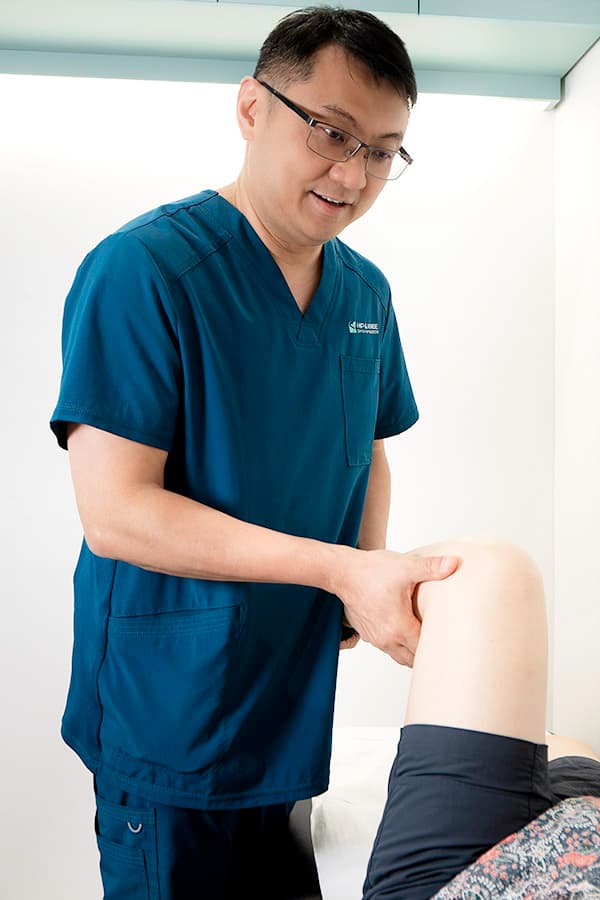
Examine your affected knee to identify which of the causes above is contributing to your pain
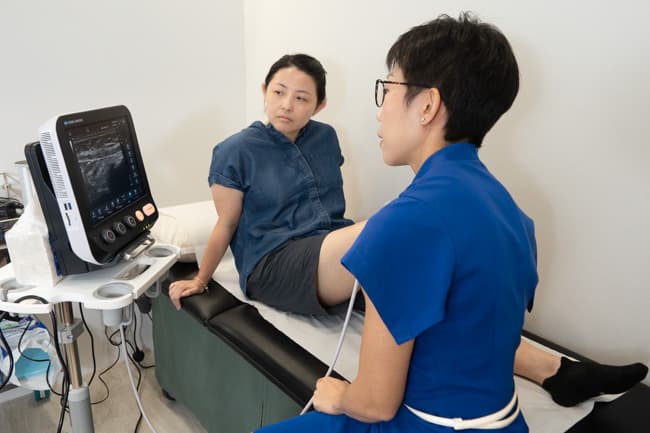
Order imaging if needed, such as an X-ray or MRI scan of the knee
An MRI provides detailed information about the structures inside your knee, including the extent of any cartilage damage, particularly at the front of the knee (behind the kneecap).
Once your knee evaluation is complete, we will explain your diagnosis and recommend a treatment plan suited to you.
Dr Tan is an orthopaedic doctor with subspecialty training in hip and knee surgery – making her the first female hip and knee replacement surgeon in Singapore.