
You’ve probably heard someone say, “Yoga is good for your joints”. And in many cases, it is. But how much do we really know about what happens inside the joint while we’re holding a pose or deepening a stretch?
Let’s not overcomplicate things. Your hip and knee joints are mechanical structures. They respond to force. They adjust to angles. They compensate when something’s off. That’s the kind of movement we’re talking about here.
Now, not everyone practises yoga for the same reason. Some do it to feel looser. Some for strength. Others, honestly, just want to sit cross-legged again without a twinge. But whether you’re new or seasoned, there’s one thing you’ll want to know:
How your joints move matters.
The Basics: How These Joints Work
Start with the hip. It’s a ball sitting inside a socket. That shape lets it roll in many directions—forwards, sideways, even in circles. Because of that, it’s involved in nearly every big movement you do.
Now the knee. That’s more of a hinge. It bends and straightens. Doesn’t do much else. It likes alignment. It prefers support. And when it doesn’t get it? Pain tends to show up, sometimes quietly, sometimes not.
When these joints move as they’re built to, they work well. When they don’t, you might not notice at first. But over time, even small issues can stack up.
Yoga: Friend or Foe?
Depends on how you’re doing it.
Let’s take Warrior II. The front leg is bent, and the hip rotates outward. The back leg is straight. It looks fine from the outside. But say your knee collapses inward. That puts odd pressure on the joint. Over time, it could irritate the ligaments or the cartilage.
Now Pigeon Pose. Feels amazing, right? Opens the hips. Releases tension. Unless you’re someone with a labral tear or hip impingement, then that deep rotation can do the opposite of help.
There’s no universal answer. What feels good to one body might stress another. That’s the tricky part.
What Research Tells Us
There’s actual data to support this. A study in BMC Geriatrics showed that yoga helped older adults improve flexibility in the hips and knees. They also reported feeling less stiff and more mobile after 12 weeks of regular sessions.
Another study examined individuals with knee arthritis. The group that practised yoga saw pain reduction and better walking ability after just two months.
These aren’t minor findings. They suggest that thoughtful movement can make a measurable difference.
But Not Everyone Benefits the Same Way
Here’s where it gets a bit tricky.
Let’s say you have a hip that catches during certain movements. You might feel a pinch when folding forward or lunging. That could be a sign of irritation around the joint surfaces or a problem deeper inside.
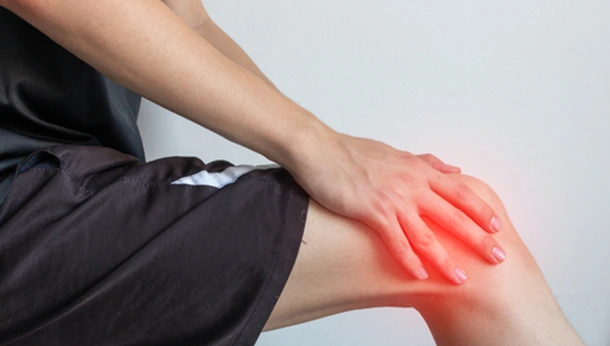
Or maybe your knee clicks during transitions. That might be nothing. Or it might mean the kneecap isn’t tracking as it should.
Stretching harder won’t fix that. In some cases, it might even make things worse.
Also worth noting: flexibility isn’t always your friend. Some people are naturally bendy. They can move into deep shapes without effort. But if the muscles around their joints aren’t working to stabilise, they’re relying on their ligaments for support. And that’s risky.
Smart Ways to Keep Joints Happy
You don’t have to stop stretching or give up your yoga class. You just have to think a little more about how you move.
- Support the joint. Use muscles, not momentum. If you’re dropping into a lunge, engage your thighs and glutes to guide the movement.
- Use props. A folded blanket under the knee can change the entire feel of a pose. So can blocks under your hands. Props aren’t cheating. They’re smart.
- Stay out of pain. Discomfort in the muscle? That’s fine. Sharp or stabbing pain in the joint? Back off immediately.
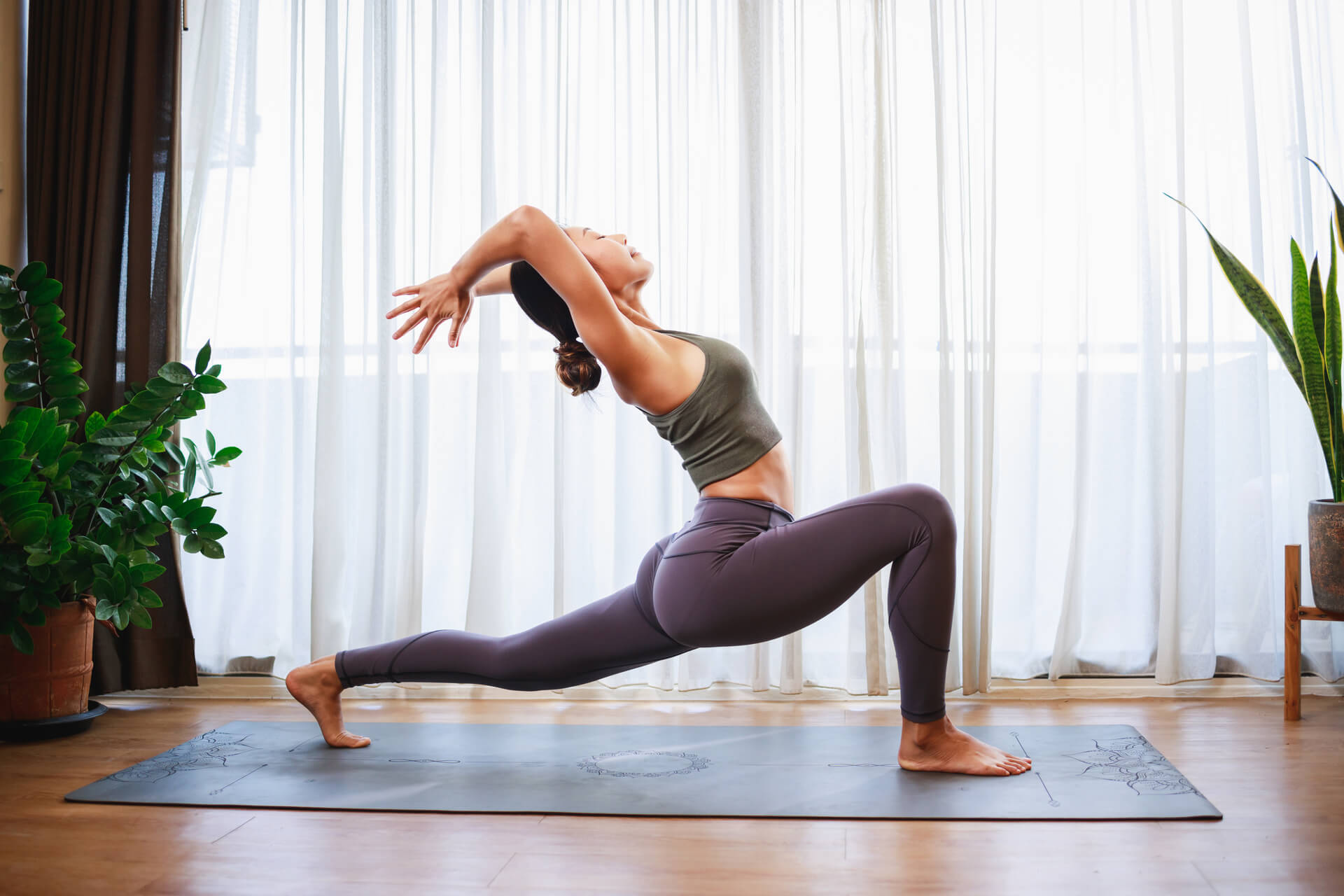
- Watch the alignment. Especially in poses like Chair, Warrior, or Crescent. If your knee moves inside your foot line, fix it. Those small shifts protect you long-term.
- Slow down. Rushing into positions forces your joints to take the hit. Controlled transitions let the right muscles do the job.
Special Cases: Surgery, Injury, Arthritis
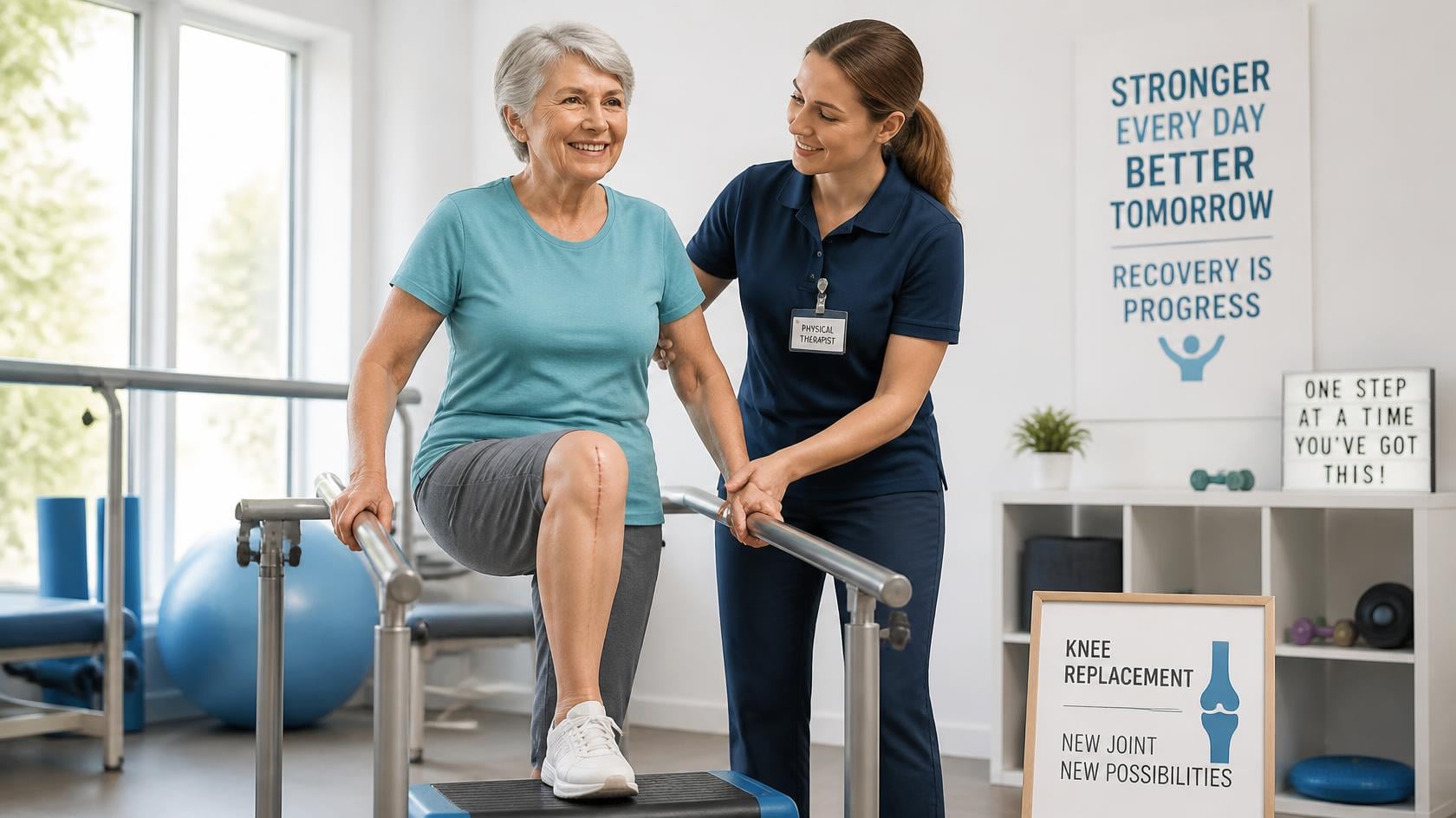
If you’ve had a joint replacement, or you’re dealing with osteoarthritis, that’s a different situation. Movement is still helpful, but you need more structure and supervision.
A study also found that low-intensity yoga led to improvements in pain, stiffness, and function in older adults with joint issues.
But deep bends, long holds, and balance challenges might not be suitable early on. Every recovery is different. Every person’s tolerance is different, too.
This is where consulting with a specialist matters. They can tell you what to try, what to avoid, and when to progress.
So… When Should You Be Concerned?
Here are a few clues that something isn’t right:
- Pain that lingers after class
- Pinching in the front of the hip
- A knee that locks or gives out
- Feeling unstable while balancing
- Hearing a pop or snap followed by swelling
These aren’t just signs to rest. They’re signs to get checked.
At Hip & Knee Orthopaedics in Singapore, we regularly work with people who stretch, move, and still end up sore. Sometimes it’s nothing. Other times, it’s the start of something that needs attention.
Keep Stretching, But Stay Smart
Yoga isn’t bad. Stretching isn’t dangerous. But neither guarantees safety on its own.
Good mechanics matter, but so does awareness. And, so does knowing your limits.
The goal isn’t to be the most flexible person in the room. It’s to move with strength, intention, and control. That’s what protects your joints and keeps you mobile, now and for years to come.
And if your body’s sending you signals—sharp pain, ongoing stiffness, or anything that feels off—listen. That’s your cue to ask questions, not push through.
Our team at Hip & Knee Orthopaedics is here to help you figure it out. Whether you need a diagnosis, treatment plan, or simply advice on what’s safe to do, we’re happy to help. Just speak to us.
Because movement should feel good. Not forced.