Some days, your body just says no.
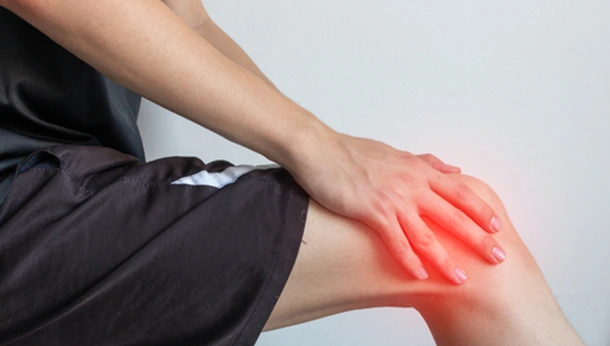
Your knees feel heavy. Your hips won’t rotate like they used to. Getting out of a chair takes more effort than you’d like to admit.
And so, you pause. You wonder, “Should I even try today?”
The short answer? Yes. But gently.
If you’re living with chronic joint pain, staying active might sound like a contradiction. It’s not. Movement can help if done slowly, with care, and in a way that respects what your body can handle now.
Rest Isn’t Always the Right Response
When something hurts, we rest. That’s instinct. But with chronic joint pain, too much rest sometimes makes things worse.
Your joints stiffen. Muscles shrink. You start losing confidence in your ability to move.
That’s how a five-minute walk becomes out of reach. That’s how independence slips away—quietly, gradually.
According to the World Health Organization (WHO), physical inactivity is one of the leading risk factors for global mortality. It affects more than just your joints. It changes your whole system.
Start Small, Stay Consistent
Forget exercise plans. Forget long workouts.
Let’s say today, you can only stretch your ankles while sitting on the couch. Good. That counts.
Tomorrow, it might be a five-minute walk to your flat. Then ten. You move because you want to feel less stuck, not because you’re chasing numbers.
Progress isn’t always visible. But your body notices.
What Kind of Movement Helps?
Here are activities that are gentle, safe, and joint-friendly:
1. Walking (On Your Terms)
Soft paths are best. Grass or a quiet trail. Walk slowly. Bring a cane or walking stick if needed. Pause as often as you like.
2. Water-Based Movement
Pools are magic. Your body feels lighter. Your joints float. Try walking through water. No swimming required.
3. Cycling (Stationary)
Recumbent bikes are ideal. No pounding. Just smooth, circular motion. Low resistance. No rush.
4. Chair Exercises
Lift one leg. Roll your shoulders. Stretch your spine. These aren’t dramatic moves, but they help.
5. Resistance Bands
Use light bands. Focus on control. The goal is to strengthen the muscles that support your joints.
The Two-Hour Test
After the activity, ask yourself: Do I feel worse two hours later?
If the answer is yes, scale it down. Try shorter sessions. Add more rest between sets.
You don’t need to push through pain. You just need to avoid falling deeper into it.
Every Little Bit Counts
Vacuum one room. Walk to the mailbox. Stand to fold clothes. Stretch while watching TV.
You’re not “working out”. You’re just keeping your body involved in your life.
That’s enough.
Helpful Tools
Support doesn’t mean you’re weak. It means you’re smart.
- A well-fitted cane can take pressure off your joints.
- Compression sleeves offer light support and warmth.
- Shoes with cushioning matter more than you think.
- Step counters can encourage you to keep going, even if it’s just 300 steps a day.
What Not to Do
Some movements should wait:
- Deep lunges
- Twisting, fast-paced cardio
- High-impact jumping or running
- Anything that makes pain sharp instead of manageable
Stick with simple, slow, and supported. That’s your lane, at least for now.
It’s Not Just Physical
Chronic pain affects your thoughts. It can steal your energy and your optimism.
You might feel alone. Or like you’re going backwards. You’re not.
A study found that people with long-term pain are four times more likely to experience anxiety or depression.
This isn’t in your head. It’s real. And it matters.
But movement helps. Even just a few minutes a day. It improves mood. It adds a sense of rhythm to your day.
One walk won’t fix everything. But one walk can help you get through the afternoon.
Listen, But Keep Moving
Pain doesn’t have to stop you completely. It just means you need to move differently.
Some days will be worse than others. That’s okay. Use the better days. Be kind to yourself on the hard ones.
Don’t chase perfection. Chase consistency.
Progress Looks Different Now
Maybe you used to run 5Ks or dance. Or carry groceries without thinking.
Now, you stretch in your chair. You pace in your living room. You do your best.
And that’s enough.
You don’t need to do more than what’s safe. You just need to keep doing something.
If You’re Stuck, Ask for Help
Some people wait too long to get support. Don’t.
At Hip & Knee Orthopaedics in Singapore, our orthopaedic surgeons and knee specialists understand how to keep you moving safely. Whether you’re recovering from surgery, managing osteoarthritis, or trying to avoid long-term damage—we can help you create a plan that fits.
We’ll never push. We’ll guide. Based on you.
A Final Word on Movement
Movement isn’t punishment. It’s permission. It says: “I’m still here. I still matter. My body still counts.”
You don’t have to feel strong every day. You just have to give your body a reason not to give up.
Tiny movements matter. So do deep breaths. So does asking for help.
You are not broken. You’re just adjusting.
Let that be enough.
One Last Reminder Before You Close This Tab
Some people won’t notice your progress. That’s okay.
You’ll feel it in the way your body responds to stairs. Or how long you can stand before sitting. Or the way you can stretch without holding your breath.
It might feel like nothing is changing. But it is.
Getting better might mean doing less, but doing it more often. With more patience, and more honesty.
Stillness feels safe, but it shrinks your world. Movement, even if clumsy, quiet, and imperfect, can stretch the walls back out again.
You don’t need motivation every day. Just a few minutes. A little space. A choice to try, even if you don’t feel ready.
Progress is rarely loud. But it shows up in how you feel next week, next month, next year.
So keep going. Keep moving. Even slowly.
You’re doing more than you think.
Need Help Getting Started?
Hip & Knee Orthopaedics in Singapore offers care that makes sense for your body, your pain, and your goals. Book a consultation today and take one small, supported step forward.