
There’s something about winter sports that brings out the child in all of us. The crunch of snow under your boots, the rush of cold air as you glide downhill or skate across ice—it’s exciting, freeing, and sometimes, a little risky.
If you’ve ever ended a snow holiday with a sore knee or an unexpected limp, you’re not alone. These sports demand quick reactions and strong joints. And while the fun is worth it, a bit of planning can go a long way in keeping those joints safe.
At Hip & Knee Orthopaedics, specialists often see how a small slip or twist can lead to long recovery times. So, let’s talk about how to enjoy winter sports while avoiding unnecessary pain, just as the season kicks off.
The Injuries People Don’t Expect
Every sport has its weak spots, literally. For winter sports, the knees, hips, and wrists take the brunt of it.
Skiing often leads the pack for knee injuries. When your skis catch or twist at high speed, the ACL (anterior cruciate ligament) can tear.
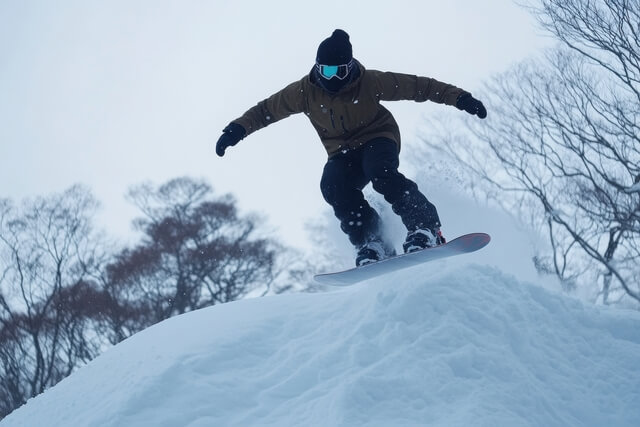
Snowboarders, on the other hand, are more likely to injure their wrists and shoulders. That instinct to break a fall with your hands? It’s a major culprit. One study found over half of snowboarding injuries affect the upper body, mostly wrists and shoulders.
Ice skaters face a different problem. Repeated bending and sudden stops can wear on the knees and hips. Skaters have reported patellar tendon pain or hip labral tears, often without realising until the season ends.
What these injuries have in common is poor preparation. Cold muscles tighten, reflexes slow down, and one wrong angle can do damage.
How the Cold Works Against You
The cold doesn’t just make you shiver; it changes how your body works. Muscles lose flexibility, and blood flow to the joints slows down. That stiffness you feel in your knees before you start moving can be interpreted as your body telling you it’s not ready yet.
It’s well-established that cold weather can make joints feel stiffer and more uncomfortable. So it’s not “just in your head”. Cold really does affect how you move. That’s why warming up properly isn’t an optional step, but your first line of defence.
Warm-Up: Your Five-Minute Insurance Policy
You don’t need a full gym routine before hitting the slopes, but five minutes can make all the difference.
- Move before you stretch. Try easy squats, light jogging, or leg swings to get blood moving.
- Wake up the big muscles. Focus on quads, glutes, and calves, as they do most of the work.
- Start slow. The first few runs or laps should feel easy. Let your body adapt before pushing harder.
If you’re training before a trip, throw in a few strengthening moves during the week. Squats, lunges, and core work are gold for stability. Yoga and balance boards also help train reaction time, the thing that often saves you from a fall.
Gear That Protects You
Gear is about keeping safe.
- For Skiers: Make sure your bindings are correctly adjusted. If they’re too tight, they won’t release when you fall, and that’s how ACL tears happen.
- For Snowboarders: Invest in wrist guards, which are designed to cut fracture risk and provide more stability.
- For Ice Skaters: Supportive skates matter. Loose or dull blades make balance harder and increase ankle injuries.
If it’s been a while since you last skied or skated, take a quick refresher lesson. Small tweaks in posture or movement can protect your joints far better than expensive gear alone.
Listen to What Your Body’s Saying
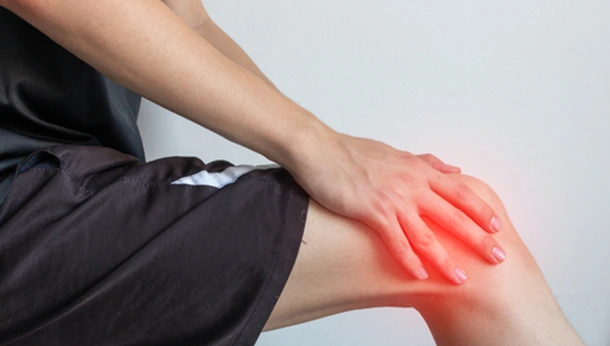
Pain after sports isn’t a badge of honour, but feedback. A dull ache, swelling, or clicking in the knee after a session could mean a strain or early injury. Don’t ignore it and hope it’ll “settle”.
If pain lingers for more than a few days, get it checked. The earlier you address joint issues, the faster the recovery and the lower the risk of long-term damage. This is something the specialists at Hip & Knee Orthopaedics emphasise often; that prevention isn’t just about stopping accidents, but catching problems before they grow.
What To Do If You Get Hurt
If something goes wrong mid-activity, remember R.I.C.E., which stands for Rest, Ice, Compression, Elevation.
- Stop immediately. Don’t push through pain.
- Ice it for 15-20 minutes to control swelling.
- Wrap gently with an elastic bandage for light compression.
- Elevate the injured area to ease inflammation.
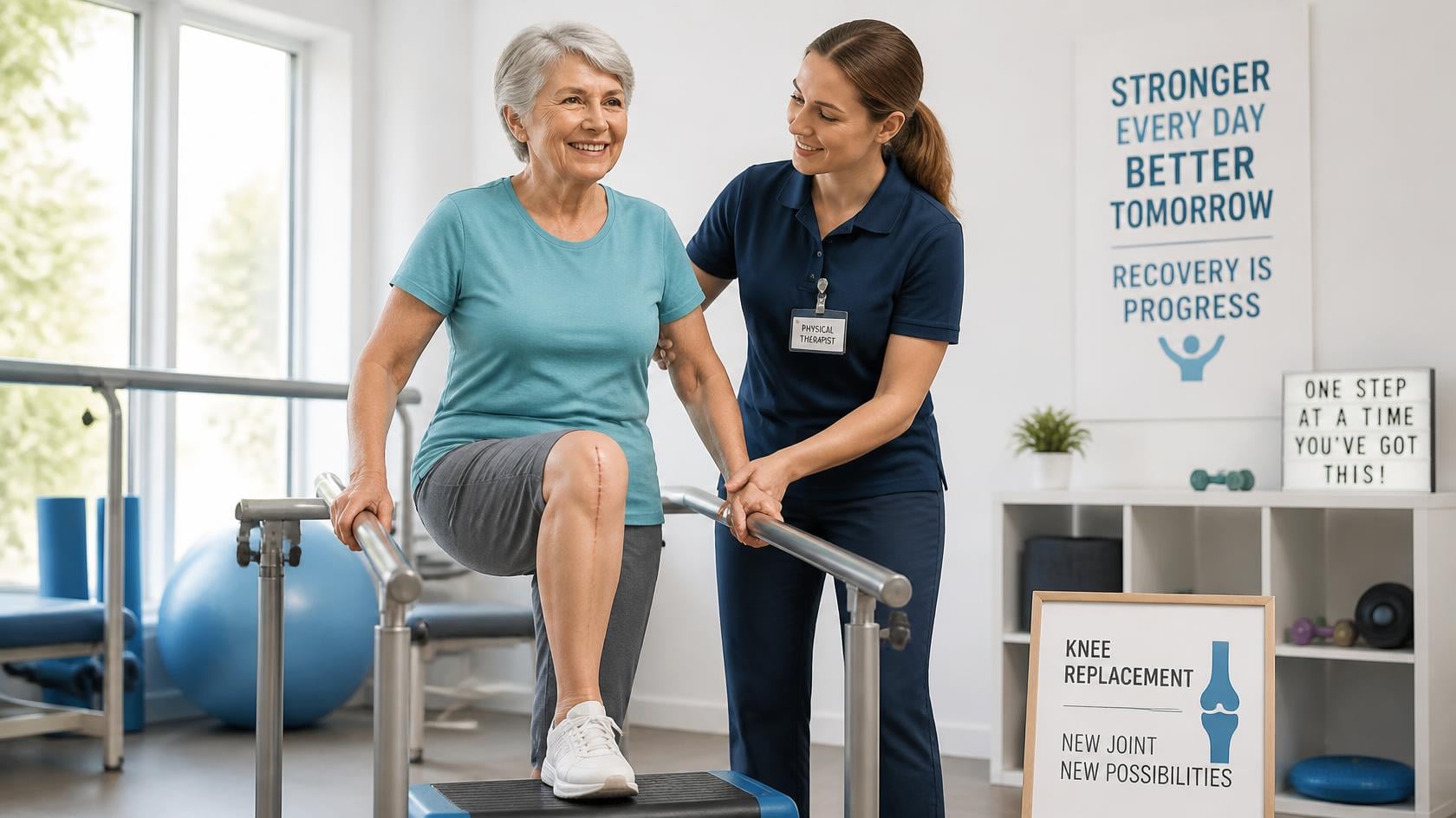
If the pain worsens or the joint feels unstable, it’s time to see a doctor. Imaging or physiotherapy may be needed. Recovery exercises guided by an orthopaedic specialist can rebuild strength safely, something quick fixes rarely achieve.
Keep Your Joints Happy All Winter
Prevention goes beyond stretching. The small things you do daily make a difference.
- Stay hydrated. Even in cold air, you lose moisture through breathing.
- Dress in layers. Warm muscles perform better.
- Schedule rest days. Overuse is one of the biggest causes of sports injuries.
- Eat well. Protein, calcium, and vitamin D all support muscle and bone strength.
And if you’re travelling for a ski trip after months of desk work, pace yourself. Your body needs time to remember those movement patterns. The first few days should feel easy. That’s how you build endurance without risk.
After an Injury: Returning to Sport
Patience is underrated. Many people rush back to the slopes once the pain fades, but that’s when reinjury happens most.
Before going back, you should be able to move freely, with no pain and full strength. Physiotherapy can speed up that process safely.
The Bottom Line
Winter sports can energise both mind and body, but only if you take care of yourself. Warm up, rest, use proper technique, and pay attention to early warning signs. For anyone recovering from a joint injury or dealing with persistent pain, Hip & Knee Orthopaedics offers tailored consultations and treatments to get you back on your feet—and back on the slopes.
Book a consultation today.
This article was reviewed by Dr. Adrian Lau, Specialist Orthopaedic Surgeon at Hip & Knee Orthopaedics.