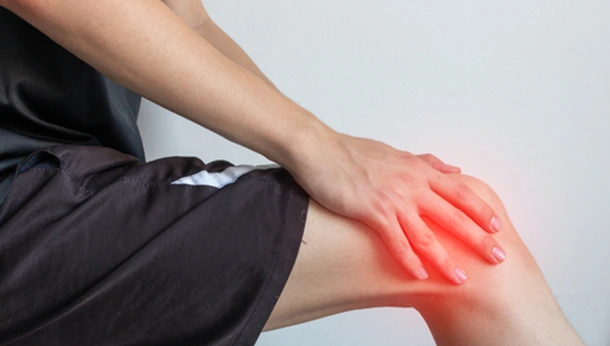
Most athletes don’t book an appointment after the first twinge. They wait. It’s often because the ache in the knee feels manageable. Or, it could be that the hip stiffness only shows up after long runs. Stretching tends to help. A few days off seems to improve things. Then training resumes, and the discomfort returns, feeling a little sharper than before. By the time many athletes walk into the clinic, the frustration isn’t just about pain. It’s about uncertainty. “Why won’t this go away?” Overuse injuries in athletes are rarely dramatic. There is usually no single moment you can point to, no obvious incident. Instead, it’s a slow build. And that slow build is exactly what shapes how orthopaedic specialists approach diagnosis. Overuse injuries in athletes often develop over time due to repetitive motions.
It’s Rarely About One Training Session
Recognizing the signs of overuse injuries in athletes is crucial for early intervention and effective treatment.
Understanding the nuances of Overuse Injuries in Athletes is crucial for timely intervention and recovery.
Awareness of overuse injuries in athletes can help prevent long-term complications and ensure optimal performance.
Repetitive load is part of sport. Bones, tendons, and cartilage adapt to stress— that’s how performance improves. The problem begins when recovery cannot keep up with demand.
Research published in the Brazilian Journal of Physical Therapy has shown that overuse injuries account for nearly half of sports injuries in certain groups of athletes. That statistic reflects something clinicians see daily. Pain develops not from a fall, but from repetition.
It appears innocently as an extra 10 kilometres each week, more explosive drills, or even a change in the court surface. None of these seems alarming on their own. But together, over time, they can tip the balance.
The hip and knee are especially vulnerable. They absorb force thousands of times in a single training session. Even small inefficiencies in movement can concentrate stress in specific structures.
Athletes must be aware of overuse injuries in athletes to adjust their training loads accordingly.
The First Clue Is Often the Story
Understanding overuse injuries in athletes ensures a more informed recovery strategy.
Before examining a joint, an orthopaedic specialist listens.
- When did it start?
- What does it feel like during activity?
- Does it settle with rest?
- Have there been recent changes in intensity or frequency?
Athletes sometimes dismiss these questions as routine, but patterns emerge quickly. For example, pain that eases once warmed up but worsens afterwards may suggest tendon involvement. Pain that builds steadily during longer sessions may indicate mechanical overload. Night pain raises different considerations.
The conversation alone often narrows possibilities.
It is also during this discussion that hesitation surfaces. Many athletes admit they continued training because the discomfort didn’t feel serious enough to justify stopping. That instinct is understandable. It’s also how minor strain becomes a persistent injury.
The progressive nature of overuse injuries in athletes often leads to chronic pain if not properly managed.
Watching the Body Move
Preventive measures against overuse injuries in athletes can enhance performance longevity.
After the history, assessment becomes physical.
Range of motion is checked, but that is only the beginning. Specialists observe how an athlete stands, shifts weight, balances, and squats. Subtle deviations can be revealing.
A knee that drifts inwards during a single-leg squat increases strain on the patellar tendon. Meanwhile, limited ankle mobility can alter landing forces, and weak hip stabilisers may transfer stress downwards to the knee.
These are not dramatic findings. They are small adjustments repeated thousands of times. Over months, those repetitions matter.
A review noted that certain movement patterns may contribute to running-related overuse injuries, aligning with clinical observations that biomechanics can influence how stress is distributed in the body.
Tenderness on specific structures helps confirm suspicion. Pain directly below the kneecap often points towards patellar tendinitis. Lateral hip tenderness may suggest gluteal tendon involvement. Sharp pain along the outer knee in runners frequently corresponds with iliotibial band syndrome.
Each finding builds the picture gradually.
Efforts should be made to educate athletes about overuse injuries in athletes and their potential consequences.
Imaging Is a Tool, Not the Starting Point
Timely recognition and treatment of overuse injuries in athletes can prevent more severe injuries down the line.
Many patients expect immediate scanning. In reality, imaging is selective.
If the examination strongly suggests a tendon issue without red flags, conservative management may begin first. However, persistent symptoms, worsening pain, or concern for deeper injury prompt further investigation.
Stress fractures are one example. They account for up to 20% of injuries seen in sports medicine clinics. Early stress reactions may not show clearly on initial X-rays. MRI is often more sensitive for detecting these subtle bone changes, according to orthopaedic specialists.
MRI also provides detailed images of cartilage, labral structures, and tendon integrity. Ultrasound can assess tendons dynamically and identify inflammation or small tears.
Still, imaging confirms. It does not replace clinical reasoning.
Some Diagnoses Appear More Often Than Others
The various types of overuse injuries in athletes highlight the need for tailored treatment plans.
Certain patterns repeat in sport.
Patellar tendinitis is common in jumping sports. A study published in Physical Therapy in Sport reported prevalence rates approaching 45% among elite volleyball athletes. Pain typically localises below the kneecap and intensifies during explosive activity.
Iliotibial band syndrome presents as lateral knee pain, often worsening with distance. Gluteal tendinopathy produces persistent lateral hip discomfort, frequently aggravated by lying on the affected side.
Each condition has nuances. As such, careful differentiation prevents misdirected treatment.
The Difference Between Gradual and Sudden
Gradual onset of overuse injuries in athletes often requires a different approach than acute injuries.
One reassuring part of the evaluation is clarifying whether the injury developed gradually or resulted from acute trauma.
Acute injuries usually involve swelling, instability, or a clear inciting event. Overuse injuries evolve. They fluctuate. They may improve temporarily with rest before returning.
Recognising this pattern helps guide both management and expectations.
When Waiting Becomes Risky
Understanding overuse injuries in athletes allows for better training protocols.
Athletes often hope symptoms will resolve spontaneously. Sometimes they do. But pain that persists beyond two weeks, repeatedly returns with training, or interferes with performance deserves assessment.
Night pain, increasing stiffness, or swelling that does not settle are additional signals.
Early diagnosis does not automatically mean surgery. Most overuse injuries are managed non-operatively with activity modification, physiotherapy, and targeted strengthening.
What early evaluation does provide is clarity.
Patience and understanding of overuse injuries in athletes can lead to more effective treatments.
Why Timing Matters
Athletes should continuously monitor for symptoms of overuse injuries in athletes to avoid serious complications.
Repetitive strain left unaddressed can progress. Tendon irritation may evolve into structural degeneration, and bone stress reactions can advance into full fractures.
These changes rarely occur overnight. They build quietly.
Addressing the issue early often shortens recovery time and reduces the likelihood of recurrence. It also allows athletes to return with confidence rather than uncertainty.
At Hip & Knee Orthopaedics, assessment focuses on careful listening, thorough examination, and appropriate imaging when required. The aim is straightforward: identify the source of pain accurately and guide athletes back to activity safely.
Hip or knee discomfort that persists should not be dismissed as routine soreness. The body usually signals when the load has exceeded capacity. Interpreting that signal correctly can make the difference between a short interruption and a prolonged setback.
Returning to play too soon after overuse injuries in athletes can lead to further complications.
This article was reviewed by Dr Adrian Lau, Specialist Orthopaedic Surgeon at Hip & Knee Orthopaedics.