People often expect the pain itself to be the hardest part of a hip or knee problem. In reality, it is usually the waiting that causes the most unease. Not knowing exactly what is going on makes ordinary movements feel uncertain. You start paying attention to how you stand up, how you walk, how you turn. Things that used to happen without thought now come with hesitation.
This reaction is normal. When there is no diagnosis yet, it is easy to worry that one wrong move might make things worse. Some people respond by doing as little as possible. Others keep going as usual, hoping that staying active will prevent further trouble. Neither response is unreasonable, but both can create problems if taken too far.
At this point, the goal is simple. It is not to improve the condition or work around it, but to avoid adding unnecessary strain until the joint can be properly assessed.
How Hip and Knee Pain Often Starts
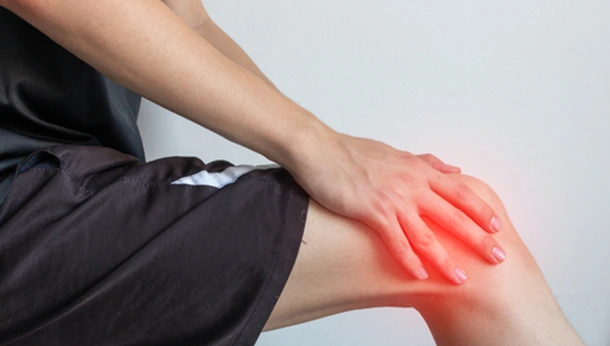
Many patients expect joint pain to begin with an obvious injury. A fall. A twist. A sudden sharp pain. In practice, that is not how it often presents. Quite a few people cannot identify a clear starting point at all.
Instead, symptoms tend to creep in. A dull ache after a longer day. A feeling that certain movements are no longer as reliable as they used to be. Over time, the joint starts to demand attention.
The hip and knees are involved in almost everything you do, from sitting down and standing up to climbing stairs and turning while carrying something. These joints absorb load repeatedly throughout the day. When activity levels change, muscles tire, or movement patterns shift slightly, irritation can develop even without any single injury.
This helps explain why knee pain is so common. Around one in four adults worldwide experiences knee pain. Conditions such as osteoarthritis, which frequently involve the hip or knee, affect more than 528 million people globally.
Pain does not automatically mean something serious has occurred, but it does mean the joint is under stress and needs to be treated with care.
How Much Movement Is Actually Helpful
One of the most common questions patients ask while waiting is whether they should rest completely or keep moving. From a clinical point of view, complete rest rarely helps for long. Joints tend to stiffen, muscles provide less support, and pain often feels worse once movement resumes.
At the same time, pushing through pain usually causes more irritation than benefit. This approach often leads to flare-ups that linger and make people more cautious than they were to begin with.
What generally works better is moderation. Gentle movement keeps the joint from stiffening without placing unnecessary load through it. Flat, even surfaces are usually easier to tolerate than hills or uneven ground. Short periods of activity tend to be better tolerated than long sessions, even if the pace is slow.
Pain should guide you, but it should not be challenged. Discomfort that settles once you stop is different from pain that builds, sharpens or lingers for hours. Catching sensations, locking or a feeling that the joint might give way usually mean the joint is not coping well, and continuing rarely helps.
Everyday Movements That Add Up Over Time
In the clinic, it often becomes clear that everyday habits contribute more to ongoing irritation than exercise itself. Low chairs, repeated bending, kneeling or standing up without support place repeated load through the hip or knee, often without people noticing.
Small changes can make a difference. Sitting slightly higher. Keeping both feet flat on the floor. Use armrests or a stable surface when standing up. Avoiding long periods in one position that leave the joint stiff when you finally move again.
Keeping commonly used items within easy reach also reduces unnecessary bending and twisting. These adjustments may seem minor, but they reduce repeated stress that often accumulates quietly over time.
Managing Pain Without Trying to Fix the Problem
Pain relief during this waiting period should be conservative.
Cold packs can help when the joint feels irritated or swollen after activity. Heat can be useful for stiffness, particularly after sitting for long periods. Both should be used for short intervals and with care to protect the skin.
Some people use over-the-counter pain relief or topical treatments. These can be helpful for some, but they are not suitable for everyone. Using several approaches at once rarely leads to better results and sometimes causes unnecessary side effects. When there is uncertainty, waiting for medical advice is often the better option.
Things That Often Make Symptoms Worse
There are a few patterns we see repeatedly in people whose symptoms linger longer than expected. One is pushing through pain in an effort to “strengthen” the joint. This rarely helps and often increases irritation.
Another is aggressive stretching when the joint already feels sensitive. This tends to create more discomfort rather than relief. Wearing footwear that provides little support, frequently changing activity levels without a gradual build-up, or following online exercise routines without knowing the underlying issue can also prolong symptoms. Braces or supports used without guidance may shift load in unhelpful ways, too.
Research shows that poorly managed joint loading early on increases the likelihood that pain becomes persistent.
If an activity consistently worsens your symptoms, continuing it usually adds little value.
When Waiting Is No Longer Appropriate
Most hip and knee problems can wait for a scheduled appointment, but there are situations where earlier review is important.
Sudden difficulty putting weight on the leg, rapid swelling, visible changes in joint shape, redness with warmth or fever, pain that regularly disrupts sleep, or new numbness or weakness should be assessed sooner. These signs do not always mean something serious, but delaying review in these cases is rarely helpful.
What Your Specialist Will Focus On
Orthopaedic assessments look for patterns when symptoms began. What makes them worse. What eases them. How daily life has changed. Movement is assessed, and imaging is reviewed when appropriate.
There is no benefit in testing the joint or provoking pain before you are seen. Observations from normal daily activity are enough.
With relevant imaging, we will be able to understand what brought about the pain, and what needs to be done.
Until You Are Seen…
Hip and knee pain deserve attention, but not fear. While you wait, your role is limited. Avoid unnecessary strain, keep movement controlled, and give the joint space to settle.
Clear guidance comes after proper assessment. Until then, protecting the joint is enough.
This article was reviewed by Dr Adrian Lau/Dr Tan Sok Chuen, Specialist Orthopaedic Surgeon at Hip & Knee Orthopaedics.