Published · Last updated
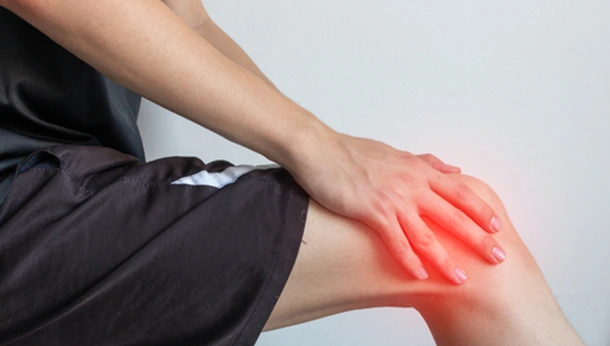
Knee pain is a frequent reason for reduced mobility and clinic visits, and it is also a common concern across all age groups in Singapore. It may arise from sports injuries, everyday strain, or longstanding joint conditions. When pain and stiffness interfere with walking, working or sleeping, people often worry that surgery is inevitable. In practice, a wide range of non-surgical knee pain treatment strategies can help manage knee pain, reduce pain and protect the knee joint so that many people regain comfort and function without an operation.
This article explains the causes of knee pain, typical symptoms and evidence-based non-surgical treatment options available in Singapore. We have included a brief section on surgery for context because some knee conditions eventually require an operation when conservative care no longer achieves pain relief.
For those seeking alternatives to invasive procedures, understanding options for knee pain treatment without surgery is essential.
Understanding How Knee Pain Develops
The knee is a complex hinge joint where the thigh bone, shin bone and kneecap work together with ligaments, tendons and knee cartilage. The joint and surrounding tissues absorb high forces during walking, climbing stairs and sport. This is especially true in an urban environment where prolonged standing and stair use are common. Over time, or after a knee injury, these structures may become irritated or damaged, leading to pain and functional decline.
Common contributors include:
- Cartilage wear associated with osteoarthritis of the knee.
- Sudden injury to ligaments or the meniscus during sport.
- Repetitive overload on the knee from work or exercise.
- Inflammatory conditions such as autoimmune arthritis.
- Malalignment that places stress on the affected knee.
Each cause produces a different pattern of pain, stiffness or weakness, so accurate diagnosis underpins effective knee pain treatment.
Symptoms That Signal a Need for Assessment
People often describe pain around the knee, stiffness when standing after sitting, and swelling on the knee after activity. Some notice a grinding sensation or reduced confidence when walking on uneven ground. If knee pain and swelling persist for more than a week, or if you experience locking, instability, fever or night pain, prompt medical assessment is advisable. These signs may indicate structural injury or disease in the knee joint that benefits from timely care.
Personalised Evaluation for the Knee Joint
Diagnosis involves targeted physical assessment, imaging such as X-ray or MRI where appropriate, and review of daily activities that load the knee. Alignment of the legs, muscle strength, joint movement, and areas of tenderness are evaluated together. This approach ensures that treatment options address the functioning of your knee rather than symptoms alone.
Physical Therapy That Restores Movement and Strength
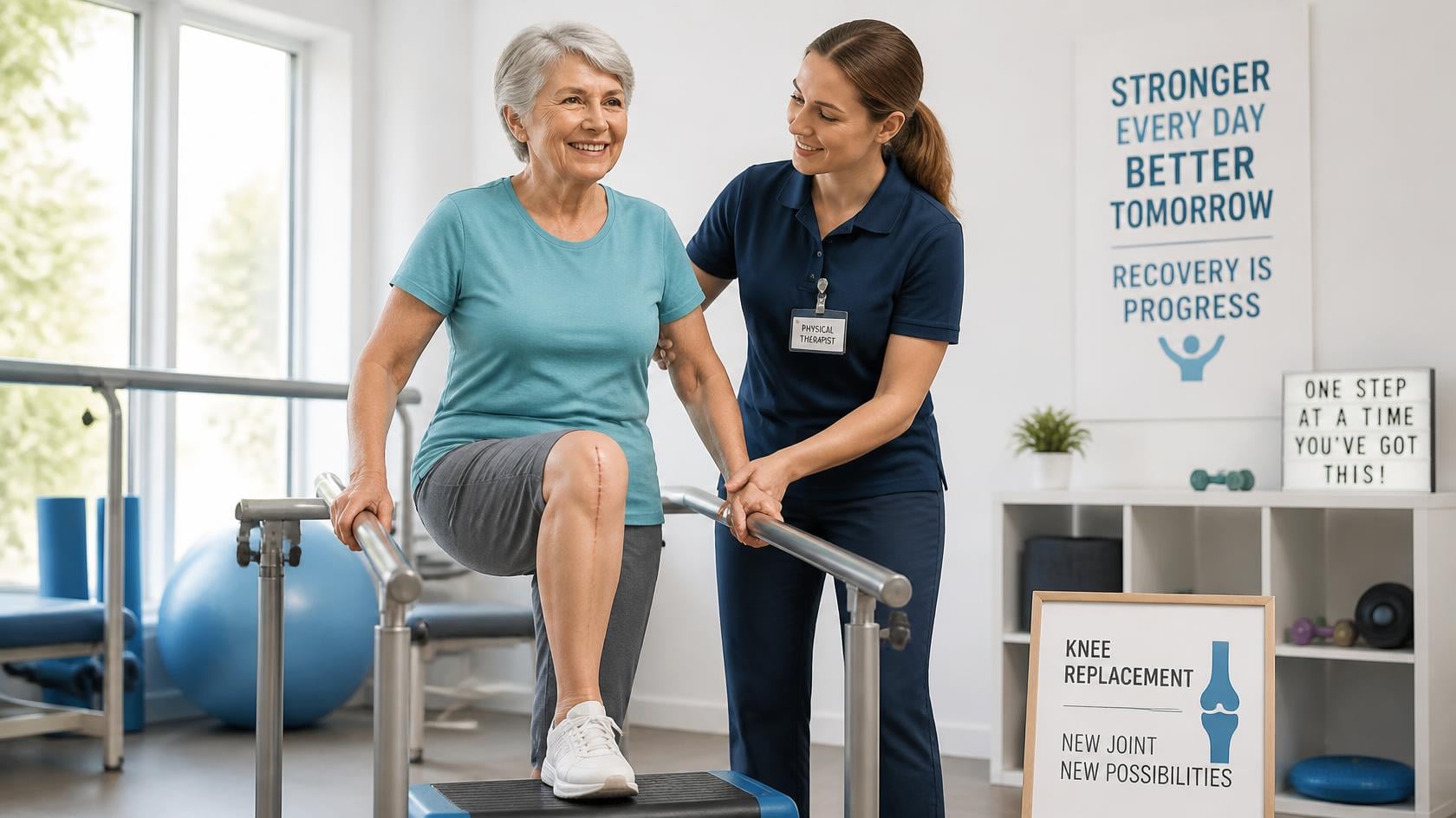
Physical therapy remains one of the most effective forms of non-surgical knee pain treatment. Designed to strengthen muscles around the knee joint, these programmes target the quadriceps, hamstrings and gluteal muscles and promote smooth, coordinated movement of the knee and hip.
In addition to exercise, therapists may use manual techniques, biomechanical correction, and gait retraining to reduce pain and improve loading patterns. Education on posture and movement also helps protect the knee during daily activities, which is essential for long-term recovery.
Medicines That Calm Inflammation and Reduce Pain
Medication can support non-surgical knee treatment by controlling pain and inflammation, making rehabilitation and daily activities easier. Treatments range from topical applications to non-steroidal anti-inflammatory drugs (NSAIDs) taken for short periods when pain flares.
For individuals with sensitivities or other medical conditions, alternatives such as paracetamol may be used. Medication plans are always individualised, as prolonged or unsupervised use carries health risks that require monitoring.
Injections That Support Joint Comfort and Function
Injections are considered when exercise and medication do not sufficiently control symptoms.
Hyaluronic Acid Injections
Hyaluronic acid helps improve lubrication in the knee joint, which may restore smoother movement in patients with cartilage wear. Benefits typically build over several weeks and may last several months.
Platelet Rich Plasma (PRP)
Platelet rich plasma (PRP) uses the body’s own healing mediators from blood platelets to support tissue repair. PRP may be suitable for some cases of early arthritis or tendon injury following assessment of joint integrity.
Corticosteroid Injections
These reduce inflammation quickly and help regain movement during painful episodes. They are especially helpful when swelling limits mobility, though frequency is controlled to prevent long-term cartilage effects.
Bracing, Insoles and Mobility Aids
Support devices reduce load on the injured or degenerated areas of the knee joint. Correctly fitted braces can offload painful zones, and footwear inserts optimise leg alignment from the ground up. Meanwhile, walking aids may reduce fall risk in older adults and improve confidence during recovery.
Activity Modification That Protects Your Knee
Activity modification is not about avoiding movement, but about selecting movements that promote healing. Low-impact exercises such as swimming, elliptical training and resistance work help maintain fitness without excessive joint loading.
Tasks such as prolonged kneeling, running on steep terrain, or heavy lifting may be limited temporarily. These changes reduce stress on the affected knee while allowing tissues to recover.
Weight Management and Daily Habits
A reduction of even 10 pounds (4.5 kg) can significantly decrease pressure across the knee joint during walking. Lifestyle changes such as improved sleep, balanced nutrition, and daily movement distribution influence recovery outcomes.
Heat therapy improves blood flow before exercise, while ice reduces swelling afterwards. Proper footwear, safe working postures and supportive seating also contribute to joint comfort.
Conditions That Benefit From Early Non-Surgical Care
Several knee conditions respond well to conservative knee pain treatment options, including patellofemoral pain syndrome, tendon irritation, and early osteoarthritis. With timely intervention, rehabilitation can slow disease progression and restore function in the knees.
Early care improves long-term results and may prevent escalation to invasive procedures.
When Surgery Becomes Relevant
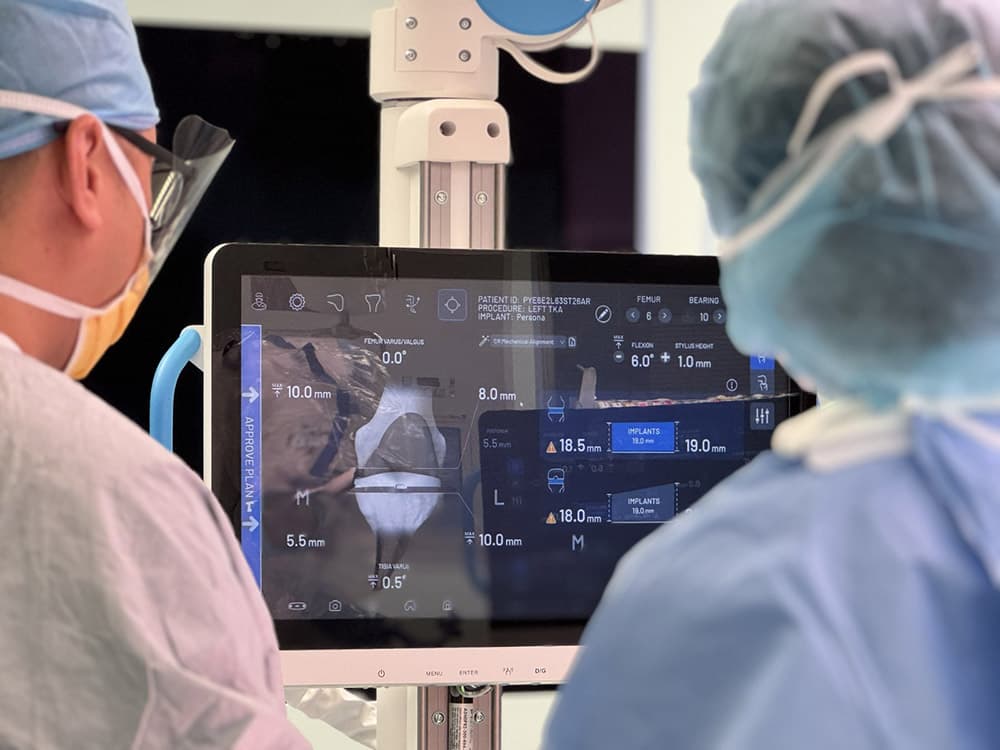
Surgery is recommended when ongoing pain prevents normal activity and imaging confirms structural deterioration. Options include arthroscopic repair, partial knee replacement, and total knee replacement. Knee surgery is considered after all reasonable non-surgical paths have been explored.
More Questions About Knee Pain Treatment Singapore Without Surgery
Can knee pain treatments be claimed under insurance or MediSave?
Some non-surgical treatments including diagnostic imaging and approved injections may be claimable under MediSave or private insurers. Coverage varies depending on diagnosis and provider classification. You can check if our Medisave-accredited clinic is accepted by your insurer here.
How long does it take for non-surgical treatment to work?
Most patients notice improvement within 4 to 8 weeks with correct physical therapy and support measures, although individual recovery times may vary. Chronic conditions may require longer combined management strategies.
Are injections available in outpatient settings?
Yes. Most injections such as hyaluronic acid or platelet rich plasma (PRP) are performed in the clinic without overnight admission.
Will I need ongoing treatment long-term?
Some conditions benefit from periodic reviews and maintenance exercises. Others resolve once tissue healing and biomechanics improve.
Can non-surgical treatment prevent knee replacement?
Early care can slow joint degeneration and improve function. While arthritis progression varies, conservative care may delay the need for surgery and help maintain joint health for longer.
Bottomline
Knee pain is a common condition that affects mobility and quality of life. However, many individuals do recover well with appropriate non-surgical care. A structured approach using physical therapy, medication, injection therapy and activity modification can improve strength, flexibility and comfort.
If your knee pain is affecting daily life, consider booking a detailed knee assessment at Hip & Knee Orthopaedics. A personalised treatment plan can help reduce pain, restore movement and protect your knee joint for long-term health.