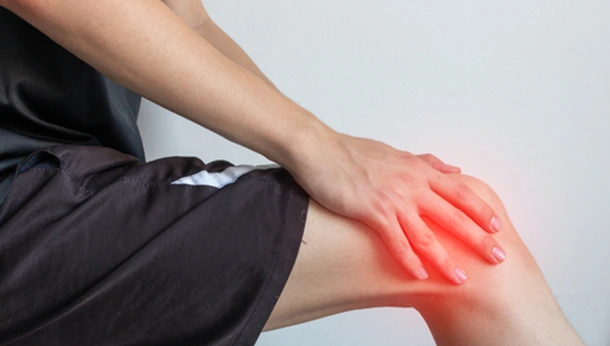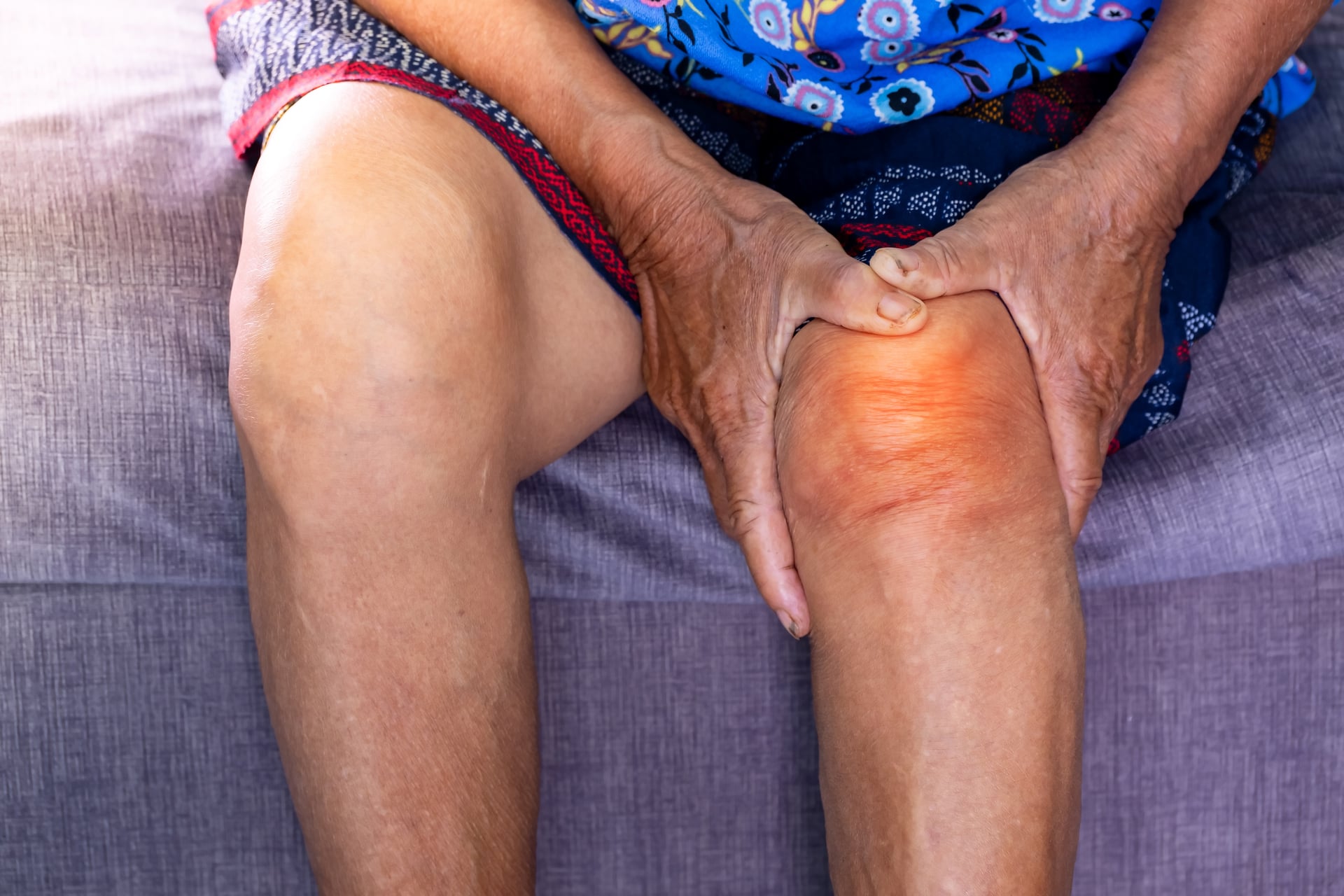

Knee problems rarely begin with a single dramatic moment. More often, symptoms build slowly, manifesting as mild pain after walking, tightness when standing up, or discomfort that feels manageable—until it isn’t.
Because the changes feel gradual, many patients delay evaluation. Sometimes for months. Other times, even for years.
That delay can be destructive. The knee is a load-bearing joint. Small issues can progress quietly, and by the time symptoms become disruptive, treatment options may already be narrower.
Below are common reasons patients wait, and why each delay can increase risk.
1. Assuming Pain Is Just Part of Getting Older
Many patients describe knee pain as “expected” with age. That belief is common. It is also misleading.
Age increases risk, but pain itself signals change within the joint. Cartilage thinning, joint inflammation, or altered alignment may already be present.
Osteoarthritis affects more than 528 million people worldwide, and the knee is one of the most frequently involved joints.
Without assessment, progression may continue unnoticed. Early review allows clinicians to identify changes before function declines.
2. Waiting Because Symptoms Come and Go
Pain that improves after rest often feels reassuring. Many patients wait for consistency before seeking care.
Intermittent symptoms, however, are common in early joint disease. Meniscal wear, cartilage irritation or mild instability can flare with activity, then settle.
Research shows that untreated knee injury increases the likelihood of later osteoarthritis.
Pain-free days do not mean the joint has recovered.
3. Avoiding Evaluation Due to Fear of Surgery
Some patients delay because they assume an orthopaedic consultation leads straight to an operation.
In reality, surgery is rarely the first step. Unless deemed immediately necessary, most knee conditions are initially managed with structured non-surgical care.
The concern is timing. When assessment is delayed, tissue damage may advance. At that point, conservative options may no longer provide adequate relief.
Early evaluation often preserves flexibility in care planning.
4. Managing Around the Pain Instead of Investigating It
Patients often adjust, even if unconsciously. They walk less. Avoid stairs. Sit more. Use handrails.
These adjustments feel practical. Over time, they may create new problems.
Reduced activity weakens supporting muscles. Changes in gait increase stress on other joints. Hip and back pain may follow.
Data shows that chronic knee pain is associated with progressive mobility loss.
Addressing the knee early helps protect the rest of the body.
5. Relying on Pain Relief to Stay Functional
Medication can make symptoms easier to live with, and that relief can delay evaluation.
Pain relief does not reflect joint health. Cartilage loss, inflammation or mechanical issues may continue underneath.
Moreover, long-term use of anti-inflammatory medication carries known risks, including gastrointestinal and kidney complications.
Assessment focuses on why pain exists, not just how to reduce it.
6. Believing Knee Problems Require a Clear Injury
Not all knee conditions begin with trauma.
Degenerative meniscal tears, for example, often develop during everyday movement. Many patients cannot identify a specific event as a trigger.
Absence of injury does not rule out structural change. This is where age can play a part.
7. Waiting Until Daily Activities Are Affected
Some patients wait until walking, standing or climbing stairs becomes difficult.
By that stage, joint stiffness and muscle weakness may already be established. Pain patterns may be more persistent.
Evidence shows that earlier management of knee osteoarthritis is linked to better symptom control.
Earlier review often allows simpler intervention.
8. Avoiding Diagnosis Due to Fear of What It Might Mean
Uncertainty can feel safer than confirmation.
Some patients worry about lifestyle changes or long-term conditions. Others fear limitations or labels.
Avoidance does not slow progression. Instead, it delays clarity.
Diagnosis provides direction. Without it, patients often rely on guesswork, or cause harm postponing the inevitable.
9. Normalising Changes in Walking
Limping often develops gradually. Most of the time, patients adapt without noticing.
Altered gait increases joint loading. Over time, this may accelerate wear and strain surrounding structures.
Research shows altered walking patterns increase mechanical stress across the knee. Early correction helps maintain joint balance.
10. Expecting the Knee to Settle on Its Own
Once symptoms persist, spontaneous resolution becomes less likely.
Waiting often leads to reduced treatment choice. While early care focuses on preservation, late care leaves you to work around limitations. Like most other aspects of health, timing matters.
Why Early Knee Evaluation Makes a Difference
The knee absorbs repeated force throughout daily life. Structural change often progresses quietly.
Early evaluation allows clinicians to:
- Identify the source of symptoms
- Assess joint stability and alignment
- Slow deterioration where possible
- Guide activity safely
It also helps patients make informed decisions before function declines.
Supporting Long-Term Knee Health
Persistent knee symptoms deserve attention. They should not be dismissed, minimised or normalised.
Hip & Knee Orthopaedics in Singapore provides patient-centred evaluation prioritising your activity demands and long-term joint health. Our approach to care planning focuses on clarity, education and appropriate management rather than rushed decisions.
Remember, early assessment supports mobility, independence and confidence in movement. Get your knee evaluation done as soon as possible by scheduling an appointment with our knee specialist today.
This article was reviewed by Dr Tan Sok Chuen, Specialist Orthopaedic Surgeon at Hip & Knee Orthopaedics.