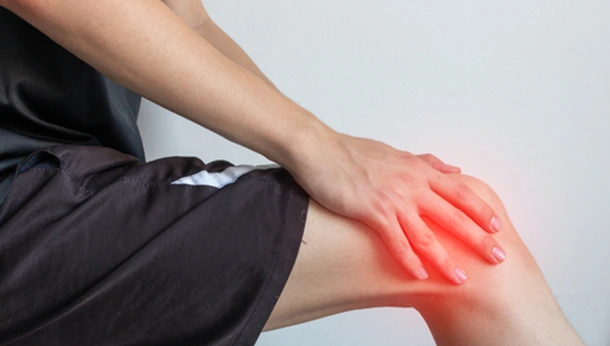
One wrong step. A slip. A sudden hit to the hip or knee. The pain might catch you off guard—sharp, dull, or somewhere in between. It’s not always obvious what you’re dealing with. Is it a bruise? Or something more serious, like a fracture?
At Hip & Knee Orthopaedics in Singapore, we help patients figure this out every day. Many come in thinking they’ve just bumped themselves. Some are right. Others aren’t. And the difference can change how you recover—and how fast you get your life back.
What Happens in the Body
A bruise forms when tiny blood vessels break under the skin, often after a direct blow. It’s uncomfortable, sometimes swollen, but usually heals on its own. A fracture, though, involves a crack or break in the bone itself. That’s not something your body can fully manage without help.
This is especially true for older adults. Bone density drops with age. That means even a minor fall can break a hip. According to a recent study, 17.69% of older patients with hip fractures passed away within a year. For men, the rate was slightly higher at 20.06%. Women weren’t far behind at 15.88%.
Globally, the one-year mortality rate for hip fractures averages 22%. Worse still, 30 to 50% of those who survive lose a good deal of independence.
That’s why paying attention early on is so important. A bruise may be a mild inconvenience. A fracture is something else entirely.
Signs It Could Be a Bruise
Let’s start with the good news. Bruises are more common than fractures, especially in younger and active people. Here’s what you might notice:
- Tenderness around the area
- Skin changing colour—bluish, then green or yellow as it heals
- Swelling that’s slow to develop
- Soreness when touched, but manageable pain when you move
- Gradual improvement after a couple of days
You’ll probably still be able to walk, although maybe with a limp or some discomfort. You might need a day or two of rest, but most bruises resolve within a week or two.
Signs You Might Have a Fracture
Now here’s where it gets more serious. Bone fractures—especially in load-bearing areas like the hip or knee—usually feel very different.
The pain tends to be deep, sharp, and immediate. You might have heard or felt a “snap” when it happened. Swelling kicks in fast and doesn’t let up. Moving becomes difficult, or even impossible. In some cases, the limb may look out of place—for example, shorter or twisted.
And here’s something many overlook: a small fracture, like a stress fracture, can still allow some movement at first. That’s why some people continue walking, making the damage worse.
Specific Red Flags by Joint
Hip Fracture Warning Signs:
- Pain when lifting or moving the leg
- Pain near the groin or outer thigh
- A foot that turns outwards when lying down
- Difficulty standing or walking
Knee Fracture Clues:
- Swelling that appears quickly after injury
- Trouble bending or straightening the knee
- Clicking, catching, or locking when you try to move
- Wobbly or unstable leg
Don’t second-guess your instincts. If something feels off, it probably is.
When to See a Doctor
There’s no harm in being cautious. If your pain is sticking around—or getting worse—it’s time to get it checked.
Here are situations where you should see someone right away:
- You can’t put weight on your leg
- There’s severe swelling or bruising within hours
- The joint looks deformed
- Numbness or tingling shows up
- The pain makes daily tasks impossible
Waiting too long can lead to long-term problems. And in some cases, it can even be life-threatening.
How We Diagnose You at the Clinic
We don’t make assumptions. Every patient’s story is different. That’s why we always start with a full assessment.
First, we’ll ask what happened and what you’ve been feeling. Then we’ll examine the affected area, checking for tenderness, swelling, and range of motion.
Most people will also get an X-ray. It’s the fastest way to confirm a break. If it doesn’t show anything, but your symptoms suggest a fracture, we might recommend an MRI or CT scan. That way, we don’t miss any small cracks or stress injuries.
Our goal is clarity. You deserve to know exactly what’s going on.
What Happens If You Wait Too Long?
Time matters. Waiting too long can turn a small fracture into a more complex one. Healing takes longer. You may need surgery instead of rest. And sometimes, poor healing leads to permanent stiffness or weakness.
In fact, delaying surgery by more than 48 hours raises the risk of death by 41% within a month, and 32% within a year. Those aren’t numbers to ignore.
Treatment Options
If it’s a bruise, you’ll likely manage it at home. Ice the area during the first 48 hours. Rest it. Compress it lightly if needed. Keep it elevated to control swelling. And avoid heavy use until the pain fades.
For fractures, the plan depends on the severity.
- A minor crack might just need a brace and time.
- More serious ones require plates, screws, or rods to keep the bone in place.
- Hip fractures in older adults may require early surgery to reduce complications from prolonged immobility.
- Rehabilitation is key. Once the bone starts healing, movement must return. We’ll help you rebuild strength and confidence through safe, steady physiotherapy.
Many patients begin walking again in just weeks. With support and consistency, most return to their regular routine, pain-free.
Final Thoughts
Don’t feel guilty for being unsure. Bruises and fractures can feel similar at first. But the stakes are different. One fades away with time. The other demands careful treatment.
At Hip & Knee Orthopaedics in Singapore, we focus on listening first. We don’t rush. We don’t dismiss. Whether it’s a simple bruise or a hidden fracture, we’ll guide you through the next steps. Clearly, calmly, and with care.
If you’re in pain, you don’t need to wait. Let us help you find out what’s really going on—and help you feel like yourself again.
Get in touch with us here.