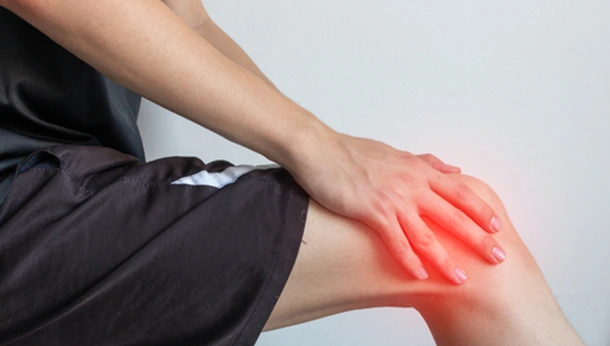
Some exercises do more harm than good. That’s a fact that most people with arthritis or joint instability only learn the hard way.
Maybe it starts with a sharp twinge in your knee after a workout. Or a deep, aching throb hours later. You think it’s normal. You stretch, you rest, and you keep going. But it keeps happening.
Sound familiar?
If you’ve been diagnosed with osteoarthritis, rheumatoid arthritis, or have unstable joints from injury, some movements just aren’t safe anymore. And no, it’s not about being “too old” or “out of shape”. It’s about knowing what your joints can—and can’t—handle.
Let’s talk about what to skip and what to do instead.
1. Running
Running puts your joints under constant stress. Every footfall delivers a jolt. If you’ve got thinning cartilage, that repeated impact adds up. And it’s not just your knees that feel it. Your hips, ankles, and even lower back might pay the price.
You might get through a run just fine. But the aftermath? That’s when the real damage shows up. Swelling, stiffness, and lingering soreness—these are all signs your joints didn’t take it well.
A Better Alternative: Walk. Not lazily—walk like you mean it. Brisk walking activates muscles, raises your heart rate, and keeps things moving without the pounding. Or jump on a bike. Stationary or not, it’s easier on your knees and hips. If you love a challenge, swimming laps or using an elliptical might offer variety with less risk.
2. Deep Squats and Lunges
There’s a reason these moves are staples in gym workouts. They build strength. But they also put a heavy load on your knees, especially when you go too deep or move too fast. And depth isn’t always your friend. If your knee joint is inflamed or misaligned, these movements can grind cartilage and aggravate tissue.
And if your joint isn’t tracking properly—which happens often with arthritis or after an injury—you could be grinding bone-on-bone and not even know it. Long term, this creates more wear, more inflammation, and eventually more pain.
A Better Alternative: Shallow squats. Chair squats. Even wall sits, if you keep your form clean. You still build strength, without going too far. These let you activate key muscles without destabilising fragile joints.
3. Leg Press Machines
Looks safe. You’re seated. It’s a controlled motion. But that’s what makes it dangerous.
The leg press often forces your knees into deep flexion under load. That pressure gets directed into the joint line. If you already have inflammation, the added force is too much, especially when you try to lift heavy weights.
The motion can also restrict your hips, placing excess stress on the lower back. This machine removes the need for your body to stabilise naturally—something that’s critical for joint health.
A Better Alternative: Work with your body weight or resistance bands. Go slow. Focus on control. Stability-based movements, like bridges or step-downs, allow your joints to move in safer ranges.
4. Plyometric Moves
Jump squats. Box jumps. Burpees. These are all high-intensity, and can be great if your joints can take it.
But with RA or OA, all that jumping jars your system. The speed. The force. The landing. It’s a lot. And your joints don’t get much recovery time between impacts.
Not to mention, the risk of landing awkwardly. A bad angle or poor control can result in sprains or strains, especially for those already managing inflammation.
A Better Alternative: Step-ups. Controlled marching. Low-impact cardio. You’ll still get the heart rate up, but your joints will thank you later. If you’re craving intensity, try intervals on a recumbent bike or deep water running.
5. Sports with Cutting or Twisting
Basketball, tennis, even soccer. Fun, yes. But if your knee feels loose, or your hip clicks, or your ankle rolls easily, these sports are risky.
One wrong turn. One pivot too fast. That’s all it takes. You might end up sidelined with more pain—or worse, a torn ligament.
These sports demand more than strength. They require joint stability and quick reflexes. If you’re dealing with arthritis or past injuries, that’s a tall order.
A Better Alternative: Go for sports that are more linear. Swimming. Rowing. Stationary cycling. Or play tennis socially, but slow it way down. Controlled movement reduces the chance of unexpected twists.
6. Stair Climbers and Hills
Climbing is great for glutes, sure. But your knees bear the brunt.
Going up? Tolerable. Coming down? Worse. The eccentric motion involved in descending loads the joint in a way that, if unchecked, can cause flares. And when fatigue sets in, your form slips. That’s when injuries happen.
Repeated uphill or stair workouts can feel productive but often create nagging knee pain, especially in people with early cartilage degeneration.
A Better Alternative: If you like stairs, limit the reps. Use the railing. Go slow. Better yet, try flat walking routes or elliptical trainers. If you’re set on incline training, keep the gradient low and duration short.
What You Can Still Do (And Should)
Let’s be clear: Movement is still medicine. You need it. Your joints depend on it.
The goal is to find exercises that strengthen without strain. Safe movement builds strength, maintains mobility, and supports mental health.
Try water-based workouts. The pool supports your body, letting you move freely. Resistance builds naturally in water, and the buoyancy reduces pressure.
Yoga and tai chi? Great for flexibility and balance. Just skip poses that push into deep flexion or hold weight on small joints too long. These practices also help with proprioception—your sense of joint position and balance.
Strength training? Still good. But start small. Use light dumbbells or resistance bands. Focus on slow, controlled movements that train your body to stabilise and protect. Aim for 2–3 sessions a week. Rest in between.
Walking is underrated. It’s easy to start, easy to maintain, and delivers real benefits. A short walk after meals helps circulation, digestion, and joint stiffness.
And yes, there are days when rest is needed. But don’t sit for too long. Stillness breeds stiffness. Gentle movement beats no movement. If you’ve been sitting for over an hour, it’s time to stretch or walk.
Tips for Moving Safely
- Listen to your joints, not your ego.
- If it hurts, stop.
- Don’t force range of motion you don’t have.
- Use proper footwear.
- Warm up first. Cool down after.
- Keep movements slow and purposeful.
- Hydrate before and after your session.
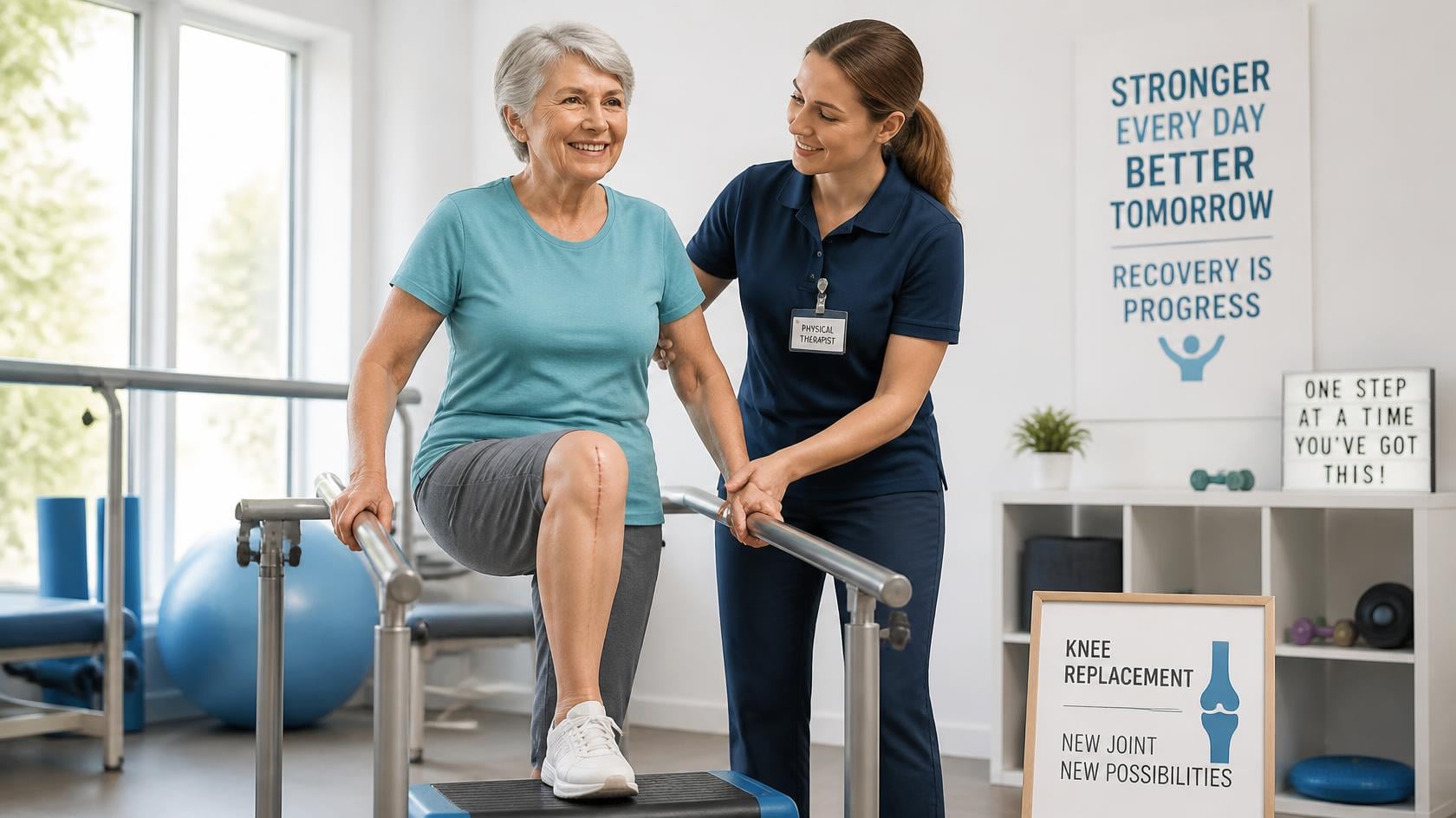
If you’re ever unsure, ask. Physiotherapists and orthopaedic specialists can help build an exercise plan that suits your condition and lifestyle.
FAQs
Can I lift weights with arthritis?
Yes—if you avoid loading joints too heavily. Focus on form and control over how much you lift. Machines may not always be safer than free weights, especially if they restrict your natural range of motion.
Is swimming really that good for joints?
Yes. It reduces impact and allows full-body movement. Great for people with pain or stiffness. Aqua aerobics or resistance swimming can add variation.
How do I know if an exercise is causing damage?
Pain that sticks around for hours, swelling, or increased stiffness the next day are red flags. If it keeps happening, swap the move or consult a specialist. Discomfort during a move is different from sharp or lingering pain.
Final Thoughts
You don’t have to quit exercising. You just have to be smarter about it.
The team at Hip & Knee Orthopaedics in Singapore is here to help. If you’re unsure about what’s safe or if you’re tired of hurting after your workouts, we can guide you.
Reach out. Let’s keep you strong and steady.