
Medically reviewed by Dr Tan Sok Chuen, FRCS Ed (Orthopaedics and Trauma) — Orthopaedic Surgeon, Hip & Knee Orthopaedics, accredited by the Specialist Accreditation Board of Singapore
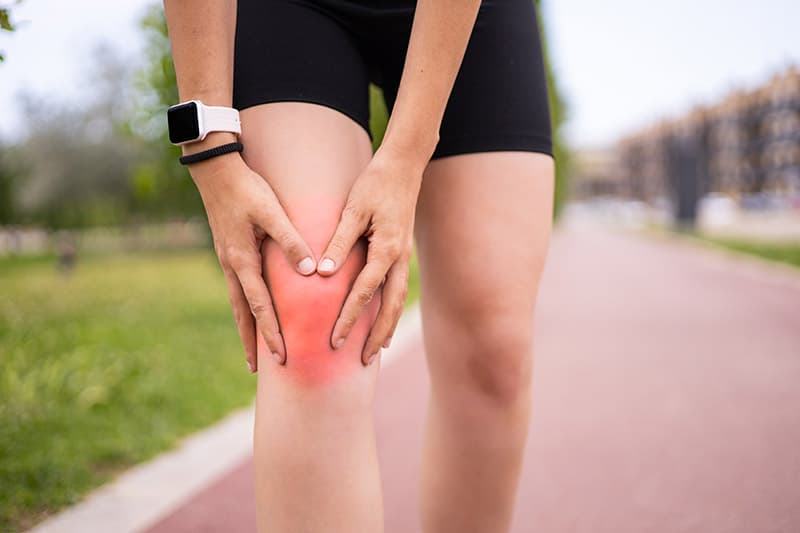
Watch any netball, football or basketball game for long enough and you’ll likely see it: a player lands from a jump or changes direction, her knee buckles inwards, and she goes down holding her knee. Often, nobody touched her.
Anterior cruciate ligament (ACL) tears are one of the most feared injuries in women’s sport, and for good reason. Studies consistently show that female athletes are several times more likely than male athletes to tear their ACL in the same sport. The good news is that much of this risk can be reduced, and when tears do happen, outcomes after proper treatment are generally good.
This guide explains why women are more vulnerable, which sports carry the most risk in Singapore, how to lower your risk, and what women in particular should know about ACL surgery and returning to sport.
How Much Higher Is the Risk for Women?

Research from around the world has found that women and girls who play pivoting and jumping sports are roughly two to nine times more likely than men to tear their ACL without contact. The exact figure varies by sport, age and level of play, but the pattern is consistent.
In Singapore, more men than women undergo ACL reconstruction overall, largely because more men play high-intensity sports. However, a Singapore General Hospital study found an important difference: women who tore their ACL were significantly more likely to also tear their lateral meniscus, the shock-absorbing cartilage on the outer side of the knee. Researchers linked this to the way the knee tends to collapse inwards during injury in women. Meniscus damage matters because it affects recovery and long-term knee health.
Why Are Women More Likely to Tear Their ACL?
There isn’t one single cause. Instead, several factors combine.
1. How you land and change direction (the biggest factor you can change)
When many female athletes land from a jump or cut sharply, their knees tend to drift inwards, a position called dynamic valgus or “knee collapse.” This puts the ACL under high strain. Women also tend to land with straighter knees and hips, absorbing less force through the large muscles of the hips and thighs.
2. Muscle balance: quadriceps vs hamstrings
The hamstrings at the back of the thigh help protect the ACL by stopping the shin bone from sliding forwards. Many women rely more heavily on the quadriceps at the front of the thigh, with relatively weaker hamstrings and hip muscles. Research has linked a low hamstring-to-quadriceps strength ratio with a higher ACL injury risk in female athletes.
3. Anatomy
On average, women have:
- A wider pelvis, which angles the thigh bone more steeply towards the knee
- A smaller notch in the thigh bone where the ACL sits, and often a smaller ACL
- Greater joint laxity (looser ligaments)
These factors can’t be changed, but they explain why good movement and strength matter even more for women.
4. Hormones
Oestrogen and other hormones affect ligament properties, and some studies suggest ACL injury risk varies across the menstrual cycle. The evidence is still mixed, and there’s currently no recommendation to change training based on cycle phase. It’s an active area of research rather than something to act on.
Which Sports Carry the Highest Risk in Singapore?
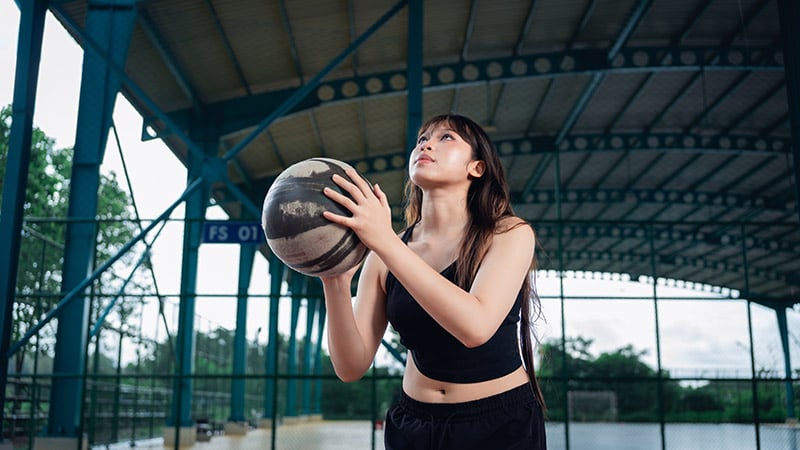
Any sport involving jumping, landing, sudden stopping or sharp changes of direction carries risk. In Singapore, the most common include:
- Netball — one of the highest-risk sports for women’s ACL injuries worldwide, because of repeated landings and the rule that limits stepping after receiving the ball
- Football (soccer) — a fast-growing women’s sport in Singapore, with frequent cutting and pivoting
- Basketball — jumping, landing and quick changes of direction
- Badminton, volleyball and floorball — lunging, jumping and rapid direction changes
- Skiing — a common cause of ACL injury among Singaporeans holidaying in Japan, Korea or Europe
Many girls start these sports in school CCAs, where the movement habits that raise or lower ACL risk are formed. That makes the teenage years an ideal time to learn safer landing techniques.
ACL injuries also make headlines at the elite level. Singapore national netballer Sindhu Nair tore her ACL in 2023 and later returned to international competition, a reminder that a tear doesn’t have to end a sporting career.
How to Reduce Your Risk
The most encouraging finding in ACL research is that structured injury prevention programmes, built around strength, balance and landing technique, can substantially reduce ACL injuries in female athletes. Programmes such as FIFA 11+ and netball-specific warm-ups take around 15–20 minutes and can replace a standard warm-up.
Key elements include:
- Landing training — land softly on the balls of your feet, with knees bent and aligned over your toes, not collapsing inwards
- Hamstring strengthening — exercises such as Nordic hamstring curls and bridges
- Hip and glute strengthening — side planks, clamshells, single-leg squats with good knee alignment
- Balance work — single-leg balance and hopping drills
- Cutting technique — change direction with a bent knee and controlled trunk, rather than a stiff, upright plant
These programmes work best when done consistently, at least twice a week, throughout the season. For school teams and clubs, building them into every training session is the most reliable approach.
If You Do Tear Your ACL: What Women Should Know
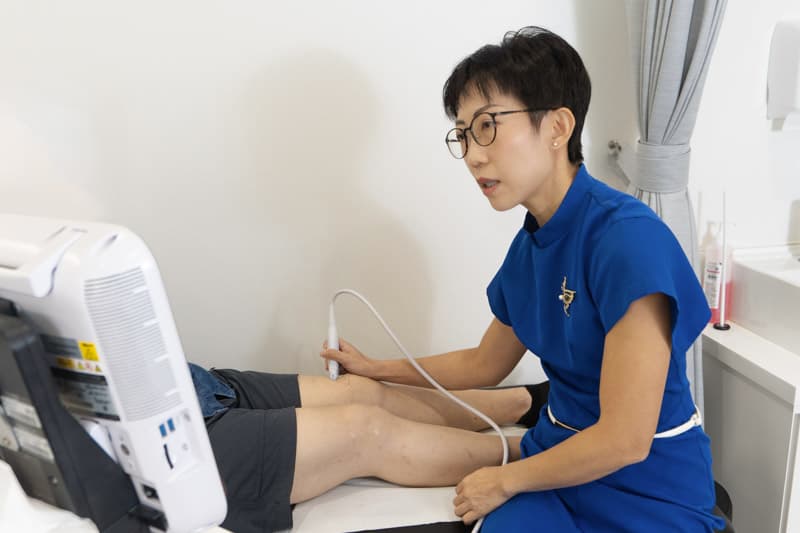
Is surgery always needed?
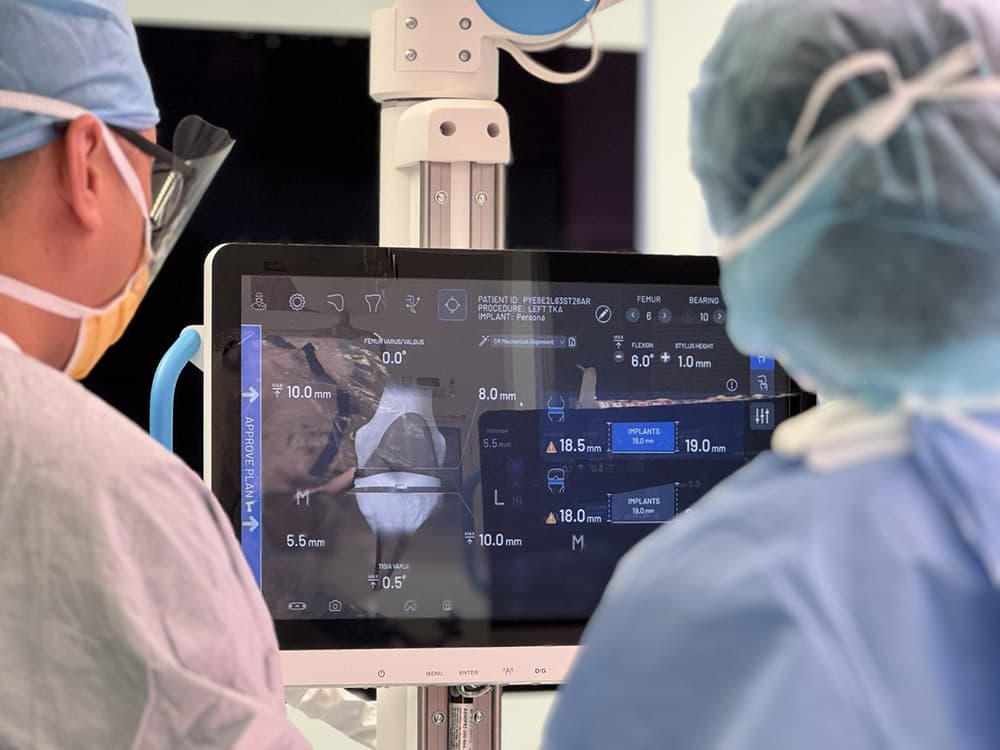
Not always. Partial tears, or women who don’t play pivoting sports and don’t experience the knee giving way, may do well with physiotherapy alone. For women who want to return to netball, football, basketball or similar sports, ACL reconstruction is usually recommended to restore stability and protect the meniscus and cartilage from further damage.
Will the outcome be as good as it is for men?
Generally, yes. With good surgery and structured rehabilitation, women achieve good knee stability and function after ACL reconstruction. Long-term research in female netball players, for example, found low rates of graft failure, and most players returned to netball.
The other knee matters too
That same netball research found something many patients don’t expect: years after surgery, the opposite, uninjured knee was more likely to suffer an ACL tear than the reconstructed one. The movement and strength factors that led to the first injury often still apply to both legs. This is why prevention training should continue after you’ve returned to sport, not stop once rehab ends.
Confidence is part of recovery
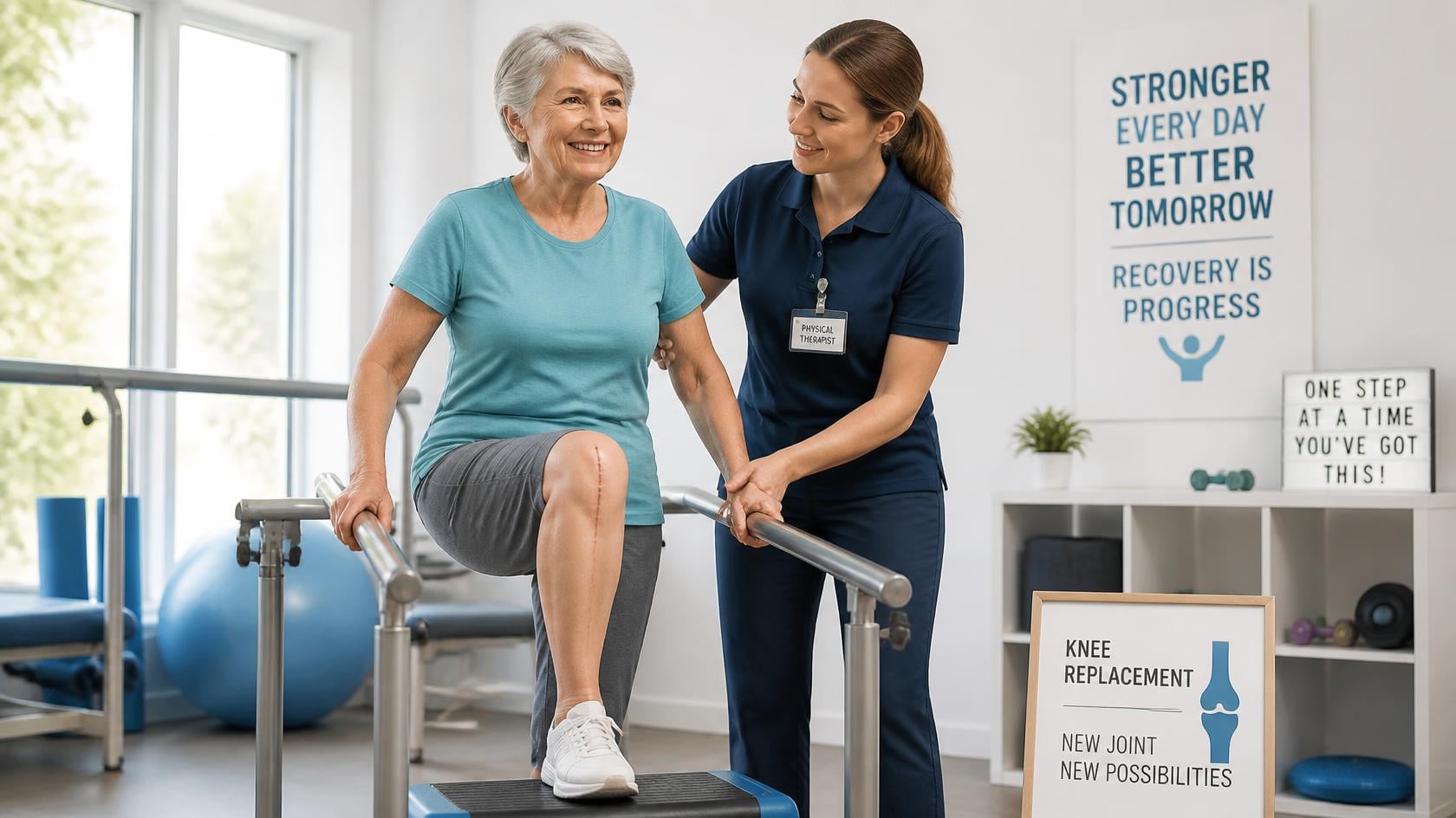
Fear of re-injury is one of the most common reasons people don’t return to sport after ACL surgery, even when the knee is physically ready. Studies of female athletes show that those who feel psychologically ready are more likely to return. Gradual exposure to sport-specific drills, and honest conversations with your surgeon and physiotherapist, help rebuild that confidence.
Practical considerations
Women often ask about:
- Scar size and appearance — ACL reconstruction is performed arthroscopically (keyhole), with small incisions; the graft harvest site adds a slightly larger one
- Kneeling — some graft types are associated with more discomfort when kneeling, which matters for some daily activities, work and religious practice. Discuss this when choosing a graft.
- Timing around exams, competitions or travel — rehabilitation takes around 9–12 months for a return to pivoting sports, so planning matters
Estimated Cost of ACL Surgery in Singapore
The cost of ACL surgery in Singapore varies widely depending on multiple clinical and administrative factors. Costs typically differ based on the hospital type, whether the procedure is performed as day surgery (same-day discharge) or requires inpatient admission, complexity of surgery, the type of graft used, surgeon seniority, ward class, duration of hospitalisation, rehabilitation requirements, and insurance coverage.
ACL surgery cost in Singapore is also influenced significantly by whether the surgery is performed in a restructured public hospital or one of the private hospitals. Public institutions offer subsidised rates based on citizenship and ward selection, whereas private facilities provide shorter wait times, personalised care, and access to senior specialists – usually at higher overall cost.
| Factor | Estimated Cost Range (SGD) |
| Surgeon’s Fees | $8,000 – $11,000 |
| Facility Fee (including Operating Theatre, Hospital Stay) | $8,000 – $10000 (day surgery) |
| Anaesthesia | $1500 – $2,000 |
| Graft Choice (Autograft/Allograft) | $0 – $4,000 (depending on graft, autografts) |
| Total Estimated Range | $17,000 – $25,000+ |
Additional costs may arise if other structures (such as meniscus or cartilage) are damaged and repaired during surgery. Insurance coverage, Medisave usage and personal hospital plans may reduce out-of-pocket expenses. As a Medisave-accredited facility, Hip & Knee Orthopaedics accepts a range of insurance plans, which you can verify here.
A personalised consultation will give the most accurate estimate based on your condition and treatment plan.
Speak to a Knee Specialist Who Understands Women's Sports Injuries
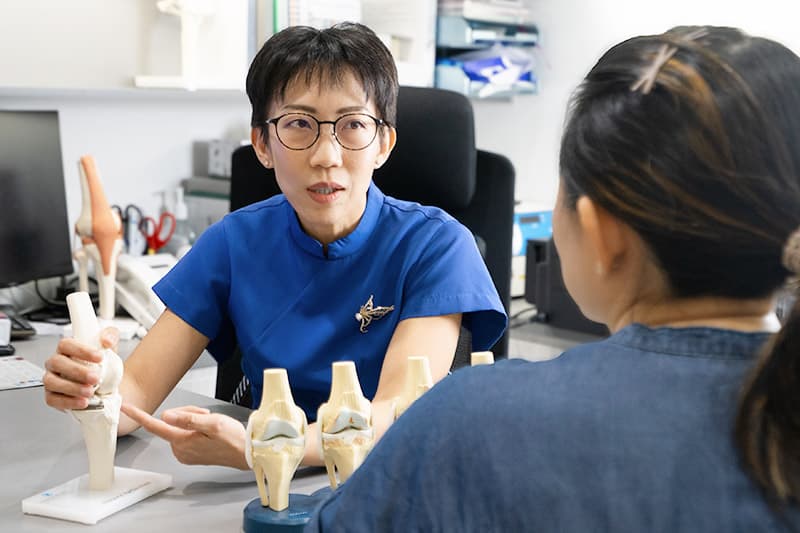
At Hip & Knee Orthopaedics, Dr Tan Sok Chuen is an accredited Orthopaedic Specialist and Singapore’s first female hip and knee surgeon. Her practice covers arthroscopy, sports injuries, ligament reconstruction and cartilage repair. She consults in English and Mandarin, and MRI scans can usually be arranged on the same day as your consultation.
Injured your knee, or want advice on preventing ACL injuries? Book a consultation or WhatsApp us at +65 8884 1642.