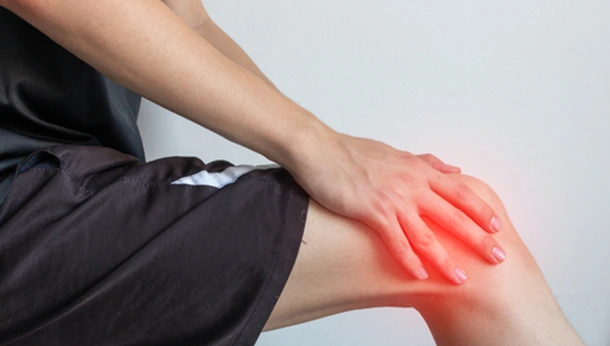
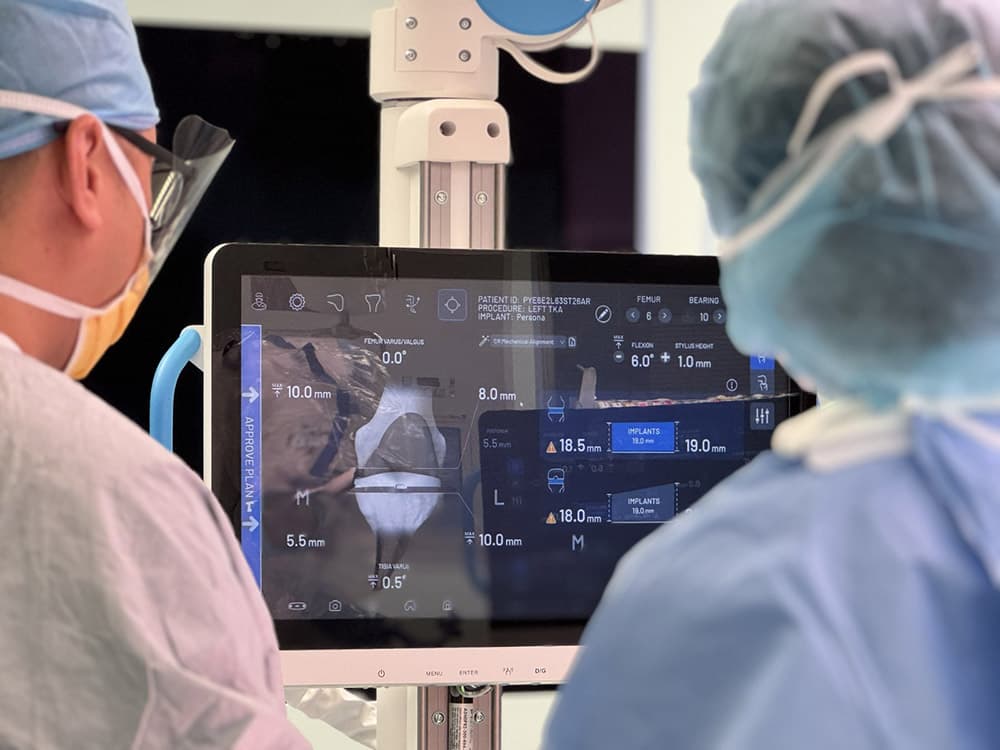
An injury to the anterior cruciate ligament, also known as ACL, is one of the most challenging knee problems for active adults and athletes. An ACL tear can disrupt work, daily movement, and participation in sports in an instant. It’s normal to wonder how long recovery takes and when normal movement will return. This guide explains the process of ACL tear recovery timeline after surgery in practical detail, from early management to returning to sport, so you know what to expect and how to protect your knee from long-term problems.
Immediate Care Following Injury
In the first days after an ACL tear, the priority is to reduce pain and swelling while protecting the knee joint from further damage. Elevation, ice therapy, and controlled movement help initiate healing. Gentle range of motion exercises improve circulation and reduce stiffness, which prepares the joint for rehabilitation or surgery. Early assessment ensures associated injuries, such as meniscus tears, are detected promptly.
Early Rehabilitation After Surgery
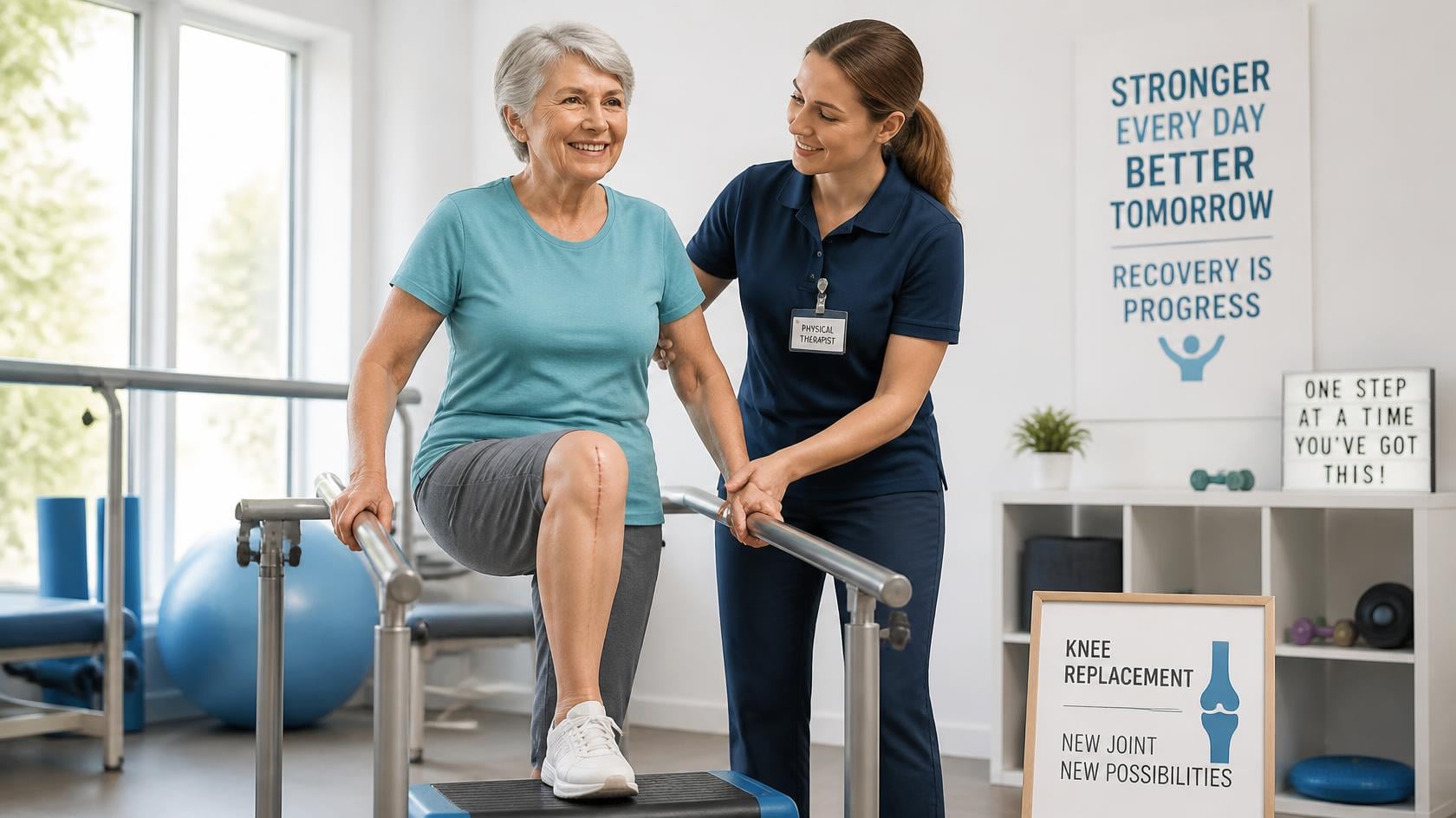
It’s important to follow your rehabilitation plan closely during the first 6 weeks after surgery, as this period determines how well the graft accepts load and movement. The first 6 weeks after surgery focus on healing of the graft and restoration of basic movement. Weight bearing is reintroduced progressively with your physical therapist, who monitors swelling and joint response closely. Exercises help reactivate the quadriceps and improve blood flow, supporting early healing. Regaining full extension is essential at this stage as limitation here can affect walking mechanics long-term.
Progressive Strength and Control
Once swelling is controlled and movement improves, rehabilitation targets strength and coordination. Strengthening the muscles of the thigh, hips and core reduces stress on your knee and improves control during movement. Balance training and range of motion and strength work together to reeducate the joint, teaching it how to respond to uneven surfaces and unexpected loads. This phase corrects muscle imbalances and prevents unhealthy movement patterns from forming.
Functional Training and Sport Readiness
With appropriate progression, you can safely rebuild trust in your knee through planned exposure to sport-specific movement. Between 4 to 6 months is when rehabilitation becomes more dynamic, although exact timing depends on the patient’s healing, progress and overall readiness. Running drills, controlled jumping and direction changes reintroduce athletic stress under supervision. Testing measures symmetry between legs and readiness to tolerate load. Returning to sport is guided by performance markers rather than time alone to prevent failure of the graft.
Long-Term Recovery and Injury Prevention
Full recovery can take up to a year and requires adherence to a structured programme. Long-term injury prevention focuses on technique retraining, strength maintenance, and refining sport-specific movements. Exercises that target hip control and landing mechanics reduce strain across the knee joint. Ongoing conditioning significantly reduces the risk of future ACL tears and helps protect against early joint degeneration.
ACL Tear Recovery Timeline at a Glance
Phase | Timeframe | Rehabilitation Focus | Expected Progress |
Acute Management | First 1 to 2 weeks | Swelling control, pain relief, basic movement | Reduced inflammation, safe walking |
Early Postoperative Care | Weeks 2 to 6 | Regaining extension, muscle activation | Improved range of motion |
Progressive Strength | Weeks 6 to 16 | Strength and balance training | Growing joint stability |
Functional Rehabilitation | Months 4 to 6 | Running and direction control | Improved confidence |
Returning to Sport | Months 6 to 12 | Sport-specific conditioning | Clearance based on tests |
A Full Recovery | 12 to 18 months | Long-term strength, movement quality, injury prevention | Durable knee function, reduced reinjury risk |
Long-Term Maintenance | Beyond 18 months | Structured conditioning | Sustained joint health |
Frequently Asked Questions
Does an ACL heal on its own?
The ACL rarely reconnects naturally once torn. Persistent instability is common without treatment. Rehabilitation improves muscle control but cannot restore the structural integrity of a ruptured ligament.
How long does pain and swelling last?
Pain and swelling usually improve within weeks, especially when rehabilitation begins early. Some swelling may recur after exercise during rehabilitation, which is closely monitored by your physical therapist. Consistent therapy reduces prolonged discomfort.
Can you walk with a torn ACL?
Many people walk short distances after injury, although instability is typical. Sudden turns or uneven ground can make the knee unreliable. For safety, supportive bracing and therapy are advised early.
Is surgery the only solution for a torn ACL?
Some people manage well with rehabilitation alone. Active patients and athletes benefit most from reconstruction because it restores stability and protects against future damage. Decisions are guided by symptoms and activity goals. You may wish to discuss with your doctor which route is more appropriate for you.
How long does it take to recover from ACL surgery?
Initial healing occurs within weeks, but full recovery often extends to 9 to 12 months. Strength, confidence and endurance are rebuilt gradually. Progress depends on rehabilitation quality and individual response.
Can I return to sport after an ACL (anterior cruciate ligament) tear?
Yes, with proper rehabilitation, most people return to previous activity levels. Returning to competitive sport requires passing movement and strength tests. This reduces the likelihood of reinjury.
Is physiotherapy required?
Yes, therapy is fundamental for restoring movement and strength. A structured programme retrains joint control and builds resilience in surrounding muscles. Self-directed exercise alone is rarely sufficient, and can even be damaging if done incorrectly.
Does age affect recovery?
While age can affect the speed of recovery, outcomes depend more on physical condition and commitment to rehabilitation. Older patients often achieve excellent results when therapy is followed consistently. Healthy movement patterns support long-term success.
Can an ACL tear be prevented?
Targeted training reduces the risk of injury. Programmes that focus on landing technique and hip control decrease stress on the knee. Injury prevention strategies are appropriate for athletes and recreational exercisers alike.
When will I be able to drive after surgery?
Driving resumes when strength and reaction time return. This usually occurs after several weeks and depends on surgery side and comfort. Your doctor provides personalised clearance.
Will I regain full movement?
With proper rehabilitation, most people achieve full movement. Limitations persist mainly when therapy is irregular or incomplete. Structured programmes can maximise outcomes.
Do I need a knee brace?
Bracing supports stability early on and during high-risk movement. Long-term use is individual and based on symptoms. Many people discontinue braces once strength returns.
Should I avoid exercise completely early on?
No, appropriate exercise promotes healing. Completely resting the joint delays progress. Rehabilitation is designed to protect while strengthening at the same time.
When should I see a doctor after injury?
Immediate medical review is advised when swelling, pain or instability develops. Early assessment ensures associated damage is not missed. Prompt diagnosis improves outcomes.
Bottomline
Studies show that up to 50 percent of people with an untreated ACL injury develop knee osteoarthritis within 10 to 15 years. Acting early protects your knee from long-term damage and restores safe movement in daily life and sport. Book an appointment with Hip & Knee Orthopaedics to receive an accurate diagnosis and a treatment plan tailored to your recovery goals. Professional care reduces downtime and helps you return to activity with confidence.
This article was reviewed by Dr Adrian Lau, Specialist Orthopaedic Surgeon at Hip & Knee Orthopaedics.