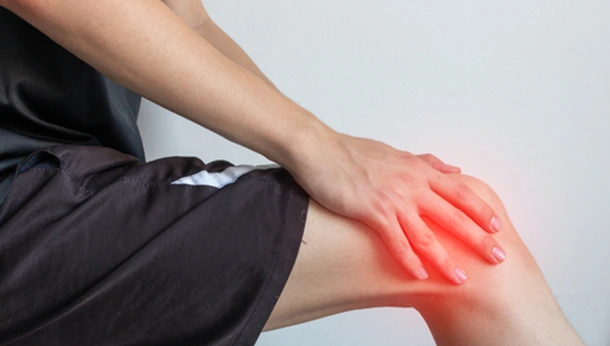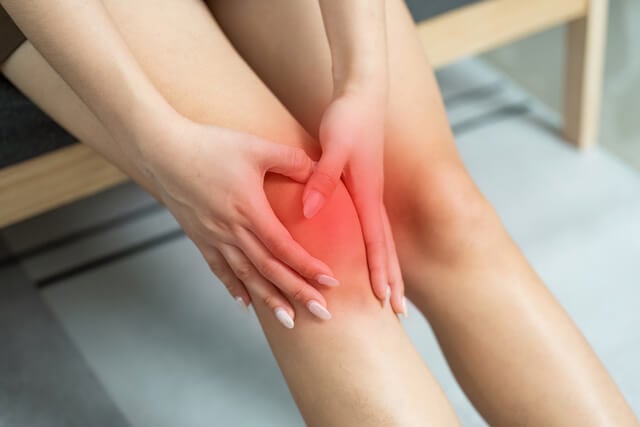

Knees can be unpredictable. One week they function normally; the next, they may feel heavy, stiff, or awkward. Some patients describe the sensation as tightness without pain, while others report noticeable discomfort.
To clarify, tightness and pain aren’t the same. They might show up together, but they tell different stories about what’s happening inside the joint. At Hip & Knee Orthopaedics, we get this question constantly: “Is my knee tightness something I should worry about, or am I overthinking it?” Let’s talk it through the way we would in the clinic.
What Knee Tightness Feels Like
The sensation is typically not sharp or stabbing. Instead, it feels like resistance, as if the knee is signalling its limit for the day.
Common descriptions we hear:
- “Feels like a band is squeezing.”
- “Feels full, like it’s packed with something.”
- “Won’t bend the way it used to.”
You might notice it when you first get out of bed, or after sitting through a long meeting. Some feel it halfway through a jog, especially if they skipped stretching. It’s not always painful. But it makes simple things, like climbing stairs, kneeling, and crouching, harder than they should be.
Why Your Knee Might Feel Tight
Muscles Holding On Too Much
Quads, hamstrings, calves—they all cross the knee. When they tighten up, the knee gets caught in the middle. Desk jobs, skipped warm-ups, or even stress (yes, stress can tense muscles) leave them shortened and stiff.
Arthritis
Very common as we age. In Singapore, about one in ten people over 50 has knee osteoarthritis. As the cartilage wears down, inflammation sets in. That doesn’t always equal pain straight away, but it does make the joint feel stiff, like a rusty hinge.
Scar Tissue
Old injuries or surgery sometimes leave behind scar tissue. It acts like glue. You try to bend, and something literally blocks the movement. Patients often say it feels “locked”.
Fluid Buildup
“Water on the knee” is the old phrase, and it describes it well. The joint swells, gets heavy, and suddenly every step feels clunky.
Normal Recovery
After surgery or injury, stiffness is part of healing. But if it drags on for weeks or gets worse, that’s when alarm bells should ring.
How Tightness Is Different From Pain
The distinction matters.
- Tightness = restriction. Like someone tied a strap around your joint.
- Pain = discomfort. It’s experienced in various ways, like sharp, dull, throbbing, or burning.
Tightness tends to show up after stillness. You sit at your desk for an hour, then stand up and realise the knee doesn’t want to move freely. Pain often flares during motion: squatting, stepping off a curb, and carrying groceries.
And while tightness limits what you can do, pain limits what you want to do. That’s why describing symptoms clearly helps. Saying, “It feels stiff after sitting” is different from saying, “It stabs when I go downstairs.” Both are useful clues for your doctor.
When to Get It Checked
Not all stiffness is a crisis. Knees often loosen up with a bit of stretching. But some signs mean it’s worth booking an appointment:
- Swelling that lingers for days.
- Trouble bending or straightening fully.
- Tightness that comes out of nowhere after an injury.
- Pain that wakes you at night.
- Popping, grinding, or locking noises.
Early treatment makes a difference. Studies show that catching osteoarthritis early can slow progression. Same for other conditions; waiting usually narrows your options.
Treatment Options
Stretch and Strengthen
Sometimes it’s as basic as stretching the muscles around the joint. Quads, hamstrings, calves. Add in some strengthening for the hips and thighs, and suddenly the knee has more support.
Physiotherapy
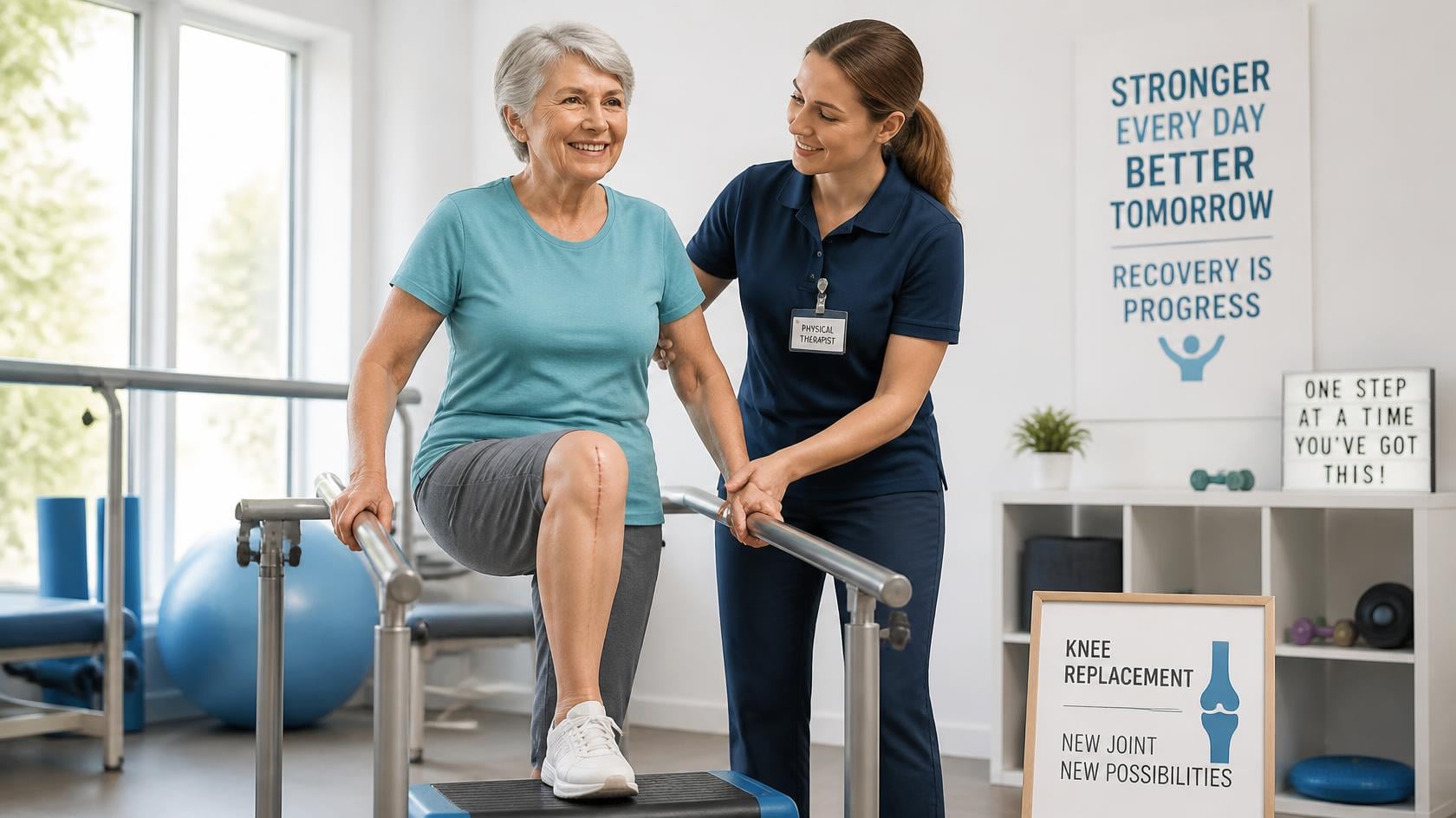
When stiffness sticks around, physiotherapy is often the best step. A therapist can design a programme, guide you safely, and even use hands-on work to improve mobility and flexibility.
Medications
Anti-inflammatories (like NSAIDs) reduce swelling. Less swelling leads to less pressure, and can mean less tightness.
Injections
Steroids calm inflammation. Hyaluronic acid injections add lubrication. Both are options if simpler measures don’t help enough.
Surgery
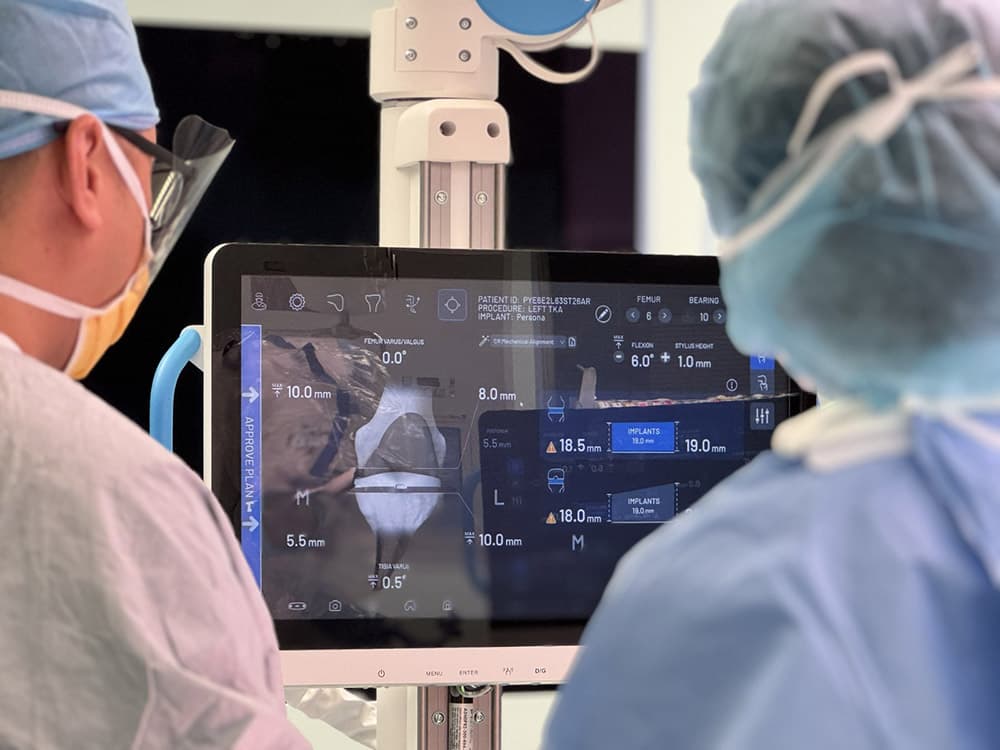
For scar tissue that won’t budge, arthroscopy can clear it. In severe arthritis, knee replacement restores movement and reduces both stiffness and pain. Conservative treatments are always considered before pursuing surgical options.
Living With Knee Tightness Day to Day
This is where patients get most frustrated. It’s not just about running marathons. It’s the small, boring things. Standing up after lunch and feeling your joints drag. Squatting to grab something from the floor and realising you can’t bend all the way. Taking the MRT stairs more slowly because the knee feels blocked.
It doesn’t always cause pain, which can make it easy to overlook. However, this is your knee giving a warning. Early attention makes the issue much easier to manage, whereas delaying care can allow the problem to worsen.
Simple Habits That Help
- Keep moving. Walking, swimming, cycling—all gentle ways to keep joints mobile.
- Stretch. Just a few minutes daily makes a difference.
- Watch weight. Every extra kilo adds around four kilos of load to the knee.
- Take breaks. If you sit all day, stand up once an hour.
- Don’t ignore signals. Stiffness that lingers, pain that worsens—both are worth checking.
They sound simple, and they are. But simple isn’t the same as useless. Patients often notice meaningful improvement from these small changes.
Conclusion
Tightness and pain aren’t the same. One is about movement being blocked, the other about discomfort. Both matter, and likewise, both deserve care if they don’t go away.
If your knee feels heavy, stiff, or restricted, especially if stretching doesn’t solve it, don’t brush it aside. Early care gives you more options and better results.
At Hip & Knee Orthopaedics, we spend time listening to how you describe your symptoms. Because that’s where the clues are, whether it’s stiffness, pain, or both, we’ll help you figure out the cause, confirm it with assessment and imaging, and guide you through the next steps. Get back to moving without the constant reminder that something’s wrong. Get in touch with us today.