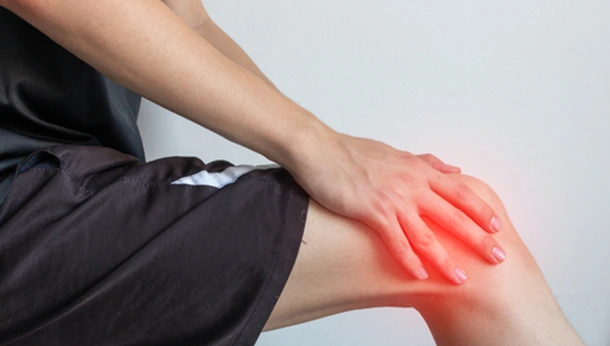
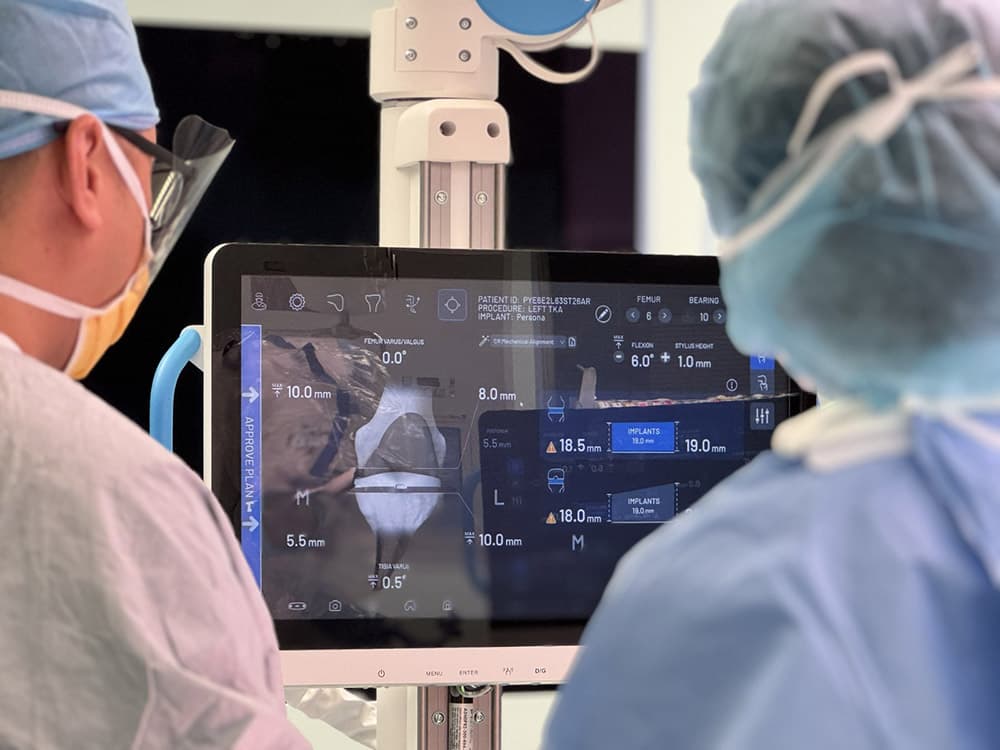
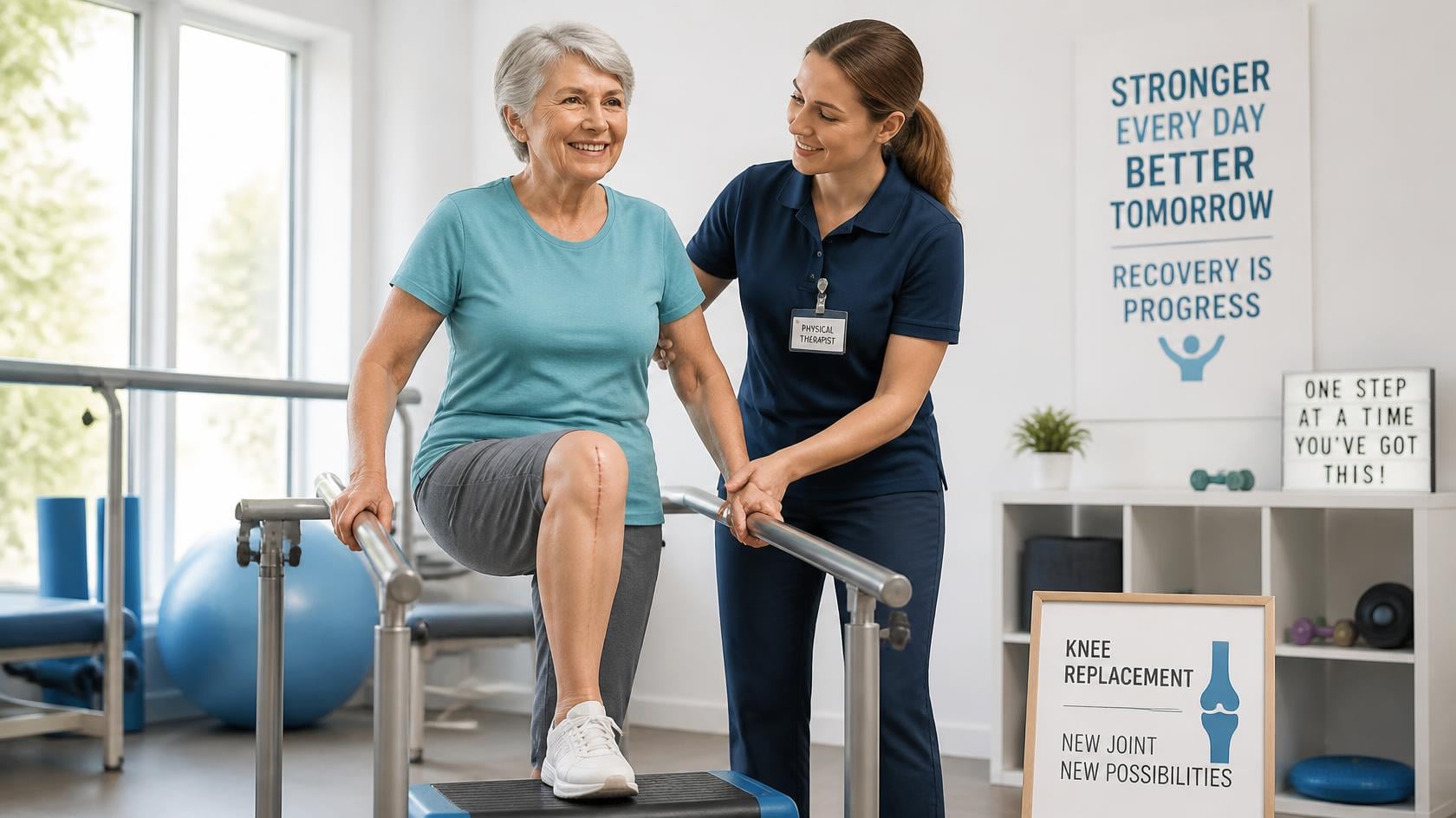
Getting knee replacement surgery can be a transformative move to regain mobility and reduce pain. Globally, knee replacement surgeries are becoming more commonplace, with millions performed annually as populations age and active lifestyles stretch into golden years. While the surgery itself is a big step forward, many forget that the real work begins during recovery.
Reacquiring strength and flexibility after knee replacement is key to lasting results. Whether you’re 6 weeks or 6 months post-op, a structured rehabilitation plan—guided by your surgeon and physiotherapist—helps you safely progress from basic movements to daily tasks, and eventually to activities like climbing stairs, cycling or even recreational sports. The right approach ensures you regain full function without pain or hesitation.
This overview offered by Hip & Knee Orthopaedics touches on proven strategies to restore mobility, strengthen muscles, and prevent complications.
Why Rehabilitation Matters Just as Much as Surgery
Recovery doesn’t end when you leave the operating room. Numerous studies have shown that patients who follow a structured rehab programme experience faster return to daily activities, as well as better long-term mobility with less stiffness. They may also have a reduced risk of complications such as blood clots or implant issues.
The primary advice is to balance rest with gradual, progressive movement. While too little activity can contribute to stiffness, overexertion may cause swelling or delayed healing. Below, we discuss this in more detail, offering specific exercises and tips to facilitate proper recovery.
Early-Stage Recovery: Weeks 1 – 6
Early recovery is all about supporting your body’s natural healing process. You’ll notice swelling and stiffness around your knee—this is completely expected as you begin healing. Your main priorities now are controlling inflammation, restoring comfortable movement, and carefully increasing activity levels.
Follow your surgeon’s guidance precisely. Dressing changes are necessary in the first 2 weeks post procedure. At 2 weeks, the wound is now mature to undergo removal of stitches, and the wound can generally be exposed.Medications need to be taken as prescribed. Simple exercises like ankle pumps, heel slides and seated knee extensions will help maintain flexibility. Start with short walks using your walker or cane, then gradually go farther as you feel comfortable.
Remember, recovery takes time. Trying to do too much too soon can slow your progress, so pay attention to what your body tells you and follow your doctor’s recommendations. Healing happens step by step. Building a strong foundation now leads to better results for the long haul.
Mid-Stage Recovery: Weeks 6 – 12
Your knee should feel stronger now, and you may no longer need assistive devices. Swelling and stiffness will keep improving, though you might still feel sore after activity.
This stage, focus on strengthening key muscles. Those are your quads, hamstrings and glutes. You can slowly experiment with straight leg raises, supported mini squats, and resistance band exercises. Gentle stretches engaging the hamstrings, calves and quads will also help restore full motion. Furthermore, if approved, low-impact cardio like stationary biking or swimming can build endurance without straining your knee.
If you feel pain beyond mild discomfort, ease off and consult your physical therapist. Again, overexertion can delay recovery.
Long-Term Strength and Flexibility: 3+ Months Post-Op
This is when most patients really turn a corner, though remember, full recovery continues improving for up to a year. Now’s the time to focus on developing durable strength, refining your balance, and with your surgeon’s approval, carefully testing higher-impact activities.
Begin by advancing to more challenging strength work—leg presses, step-ups, and controlled lunges will build protective muscle around your joint. Pair these with balance drills like single-leg stands or yoga to improve stability and prevent falls. When your surgeon approves, you can start reintroducing activities like hiking, doubles tennis, or light jogging—progress gradually and follow your therapist’s advice to stay on track.
Above all, consistency matters. Recovery requires discipline, so even after formal therapy ends, be sure to keep active. Continuing with movement and strength work will help protect your new knee for the long term.
Exercises to Avoid After Knee Replacement Surgery
Rebuilding strength and mobility after knee replacement takes a careful approach, as not all exercises are safe early on. While staying active is important, some movements can stress your new joint, slow healing, or even cause damage. Knowing what to avoid helps you recover smoothly and protect your knee long-term.
In the first few months, skip high-impact activities like running, jumping, or intense aerobics. These can jar the implant and speed up wear. Also avoid deep squats and lunges (especially bending your knee past 90 degrees), as they strain the joint before it’s fully healed.
Keep in mind to hold off on heavy leg presses or uncontrolled weightlifting. Overloading your knee too soon risks injury; the same goes for sudden pivoting or twisting, like in basketball, tennis or soccer. Wait until your surgeon or physical therapist confirms your knee is ready before pushing yourself with these movements.
Other Common Recovery Mistakes
Recovery after knee replacement walks a fine line. Push too hard and you risk setbacks, but move too little and progress stalls. One of the biggest mistakes is skipping physical therapy sessions or being inconsistent with them, even though they’re essential for rebuilding strength and mobility. Yet, another common error is overdoing too soon—watch out for pain and swelling, which are your body’s way of telling you to cut yourself some slack.
It’s also easy to overlook the supporting muscles around your knee, like your hips and core. When these areas are weak, your new joint has to work harder, putting it under extra strain. Ignoring stiffness early on can lead to scar tissue buildup too, which may limit your flexibility long-term. Conversely, staying inactive for too long, such as by sitting for hours without moving, can cause stiffness and poor circulation.
That said, the ultimate solution is to balance rest with gentle exercises. This is a middle ground that can be found through a professional discussion with your therapist.
And perhaps the most universal mistake is comparing your recovery to others’. While you may be in a hurry to resume your former lifestyle, healing timelines vary dramatically, and what feels easy for one person might be too much for another. Thus, always listen to your body, and if an exercise causes pain or makes your knee feel unstable, stop immediately and check with your rehab specialist before continuing.
Avoiding these common pitfalls and sticking to your personalised plan will give you the best chance at a smooth recovery and a strong, pain-free knee.
Be on Your Way to Stronger Knees with Hip & Knee Orthopaedics

Recovering from knee replacement surgery can feel like a long and arduous journey, but with the right attitude and approach, you’ll be back on track—and maybe even stronger and more flexible than before.
If you’re facing ongoing stiffness, weakness or pain, don’t hesitate to reach out. An individualised rehab plan could make a world of difference. At Hip & Knee Orthopaedics, we create recovery plans tailored just for you. Your goal of stronger, more flexible knees is entirely within reach—let’s get there together. Book a consultation with our specialists today.
Want to learn more about our clinic? Click here for more information about Hip & Knee Orthopaedics in Singapore. Or, speak to our doctors for a personalised consultation and get all your questions answered. We’ll be glad to help, whether you’re just considering surgery, in the early healing phase, or working towards returning to active living.