A hip fracture is a serious injury that usually needs prompt surgical treatment. Early surgery helps relieve pain, restore mobility sooner, and lower the risk of complications that come with long periods of bed rest.
At Hip & Knee Orthopaedics, our double fellowship-trained orthopaedic surgeons focus on hip and knee conditions. We assess each case quickly and recommend the surgical treatment that best fits your age, bone health and type of fracture, so you can get back on your feet safely.
For elderly patients with osteoporosis, hip fractures are typically caused by low-energy falls. This is because their bones have become weakened by osteoporosis and even a small external force may be enough to cause a fracture.
Stress fractures may occur in the femoral neck. Stress fractures are caused by repeated impact to the bone and are often seen in long-distance runners. When stress fractures occur in the subtrochanteric region of the hip, they are usually associated with prolonged use of certain osteoporosis medications.
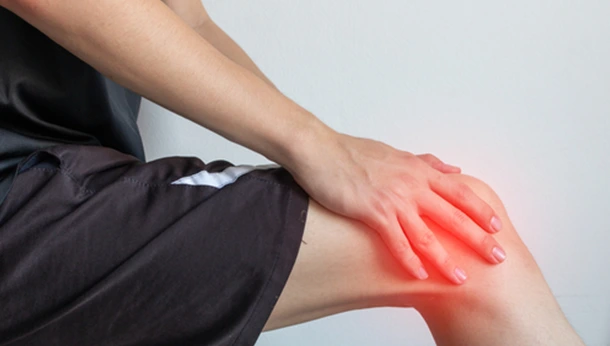
Femoral head fractures are usually caused by a high-impact event such as a vehicle collision or a fall from a great height. Like most fractures, hip fractures are very painful and are localised to the upper thigh and groin.
Other symptoms include:
Evaluation of Hip Pain with X-ray
Most hip fractures need urgent surgery. The goals are to relieve pain, stabilise the broken bone, and get you moving again as soon as it’s safe. Long periods of bed rest raise the risk of complications such as blood clots, pneumonia, pressure sores, and muscle loss, so early treatment makes a real difference to recovery.
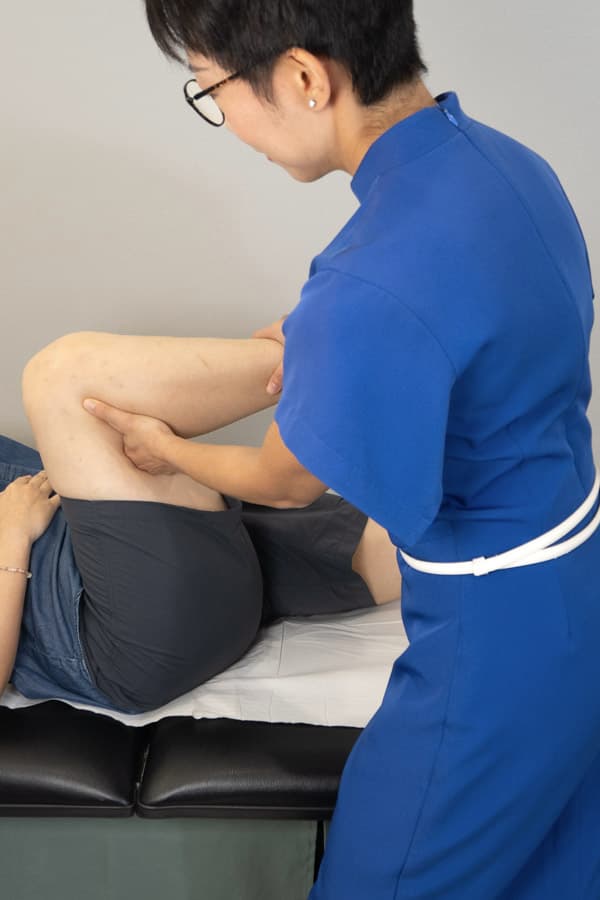
Your doctor will first examine your hip and leg, checking for pain, swelling, shortening or turning of the leg, and how well the hip can move. X-rays usually confirm the fracture. If an X-ray doesn’t show a clear break but a fracture is still suspected, an MRI or CT scan may be used to find hairline fractures and show exactly where the damage is and how extensive it is.
Your doctor will also look at your age, medical history, bone health, and overall fitness for surgery. Many hip fracture patients are older adults with other conditions, such as heart disease or diabetes, so these are assessed and stabilised before the operation. In general, surgery is done within 48 hours of the injury, and ideally sooner, once you are medically ready.
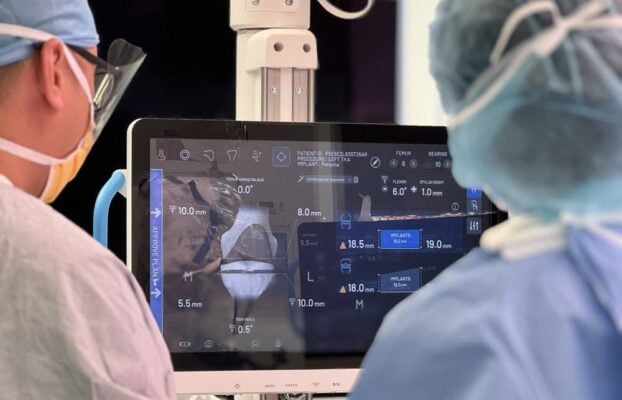
The right operation depends mainly on where the bone is broken, whether the broken pieces have moved out of place, and your age and activity level.
Your surgeon will explain which option best fits your fracture and your needs, including its benefits and risks.
Surgery is not always possible. Non-surgical care may be considered in rare cases, for example when a patient is too unwell for an anaesthetic or the fracture is very stable. This usually involves pain relief, careful monitoring, and supervised rehabilitation. Recovery tends to be slower, and the risk of complications is higher.
Recovery is different for everyone. It depends on the type and severity of the fracture, the surgery performed, your age, your fitness before the injury, and any other health conditions. With the right care and rehabilitation, most patients regain a good level of mobility and independence.
Recovery starts almost straight away. Most patients are helped to sit up, stand, and take a few steps the day after surgery. Moving early is one of the most important factors in a good recovery, because it helps prevent blood clots, chest infections, and muscle weakness.
While you are in hospital, you will receive pain relief so you can move comfortably. You will also be given antibiotics around the time of surgery to lower the risk of infection, and medication to prevent blood clots.
A physiotherapist will guide you through exercises to rebuild strength and balance. They will also teach you to use walking aids such as a walker or crutches, and show you how to get in and out of bed, sit, and climb stairs safely. Hospital stays usually last several days.
Many patients go home after surgery. Others benefit from a short stay in a community hospital or rehabilitation facility to continue therapy first. Simple changes at home can lower the risk of falls, such as removing loose rugs, adding grab bars, and improving lighting.
Most patients use a walking aid for the first several weeks. The bone usually heals substantially within 6 to 12 weeks, and strength and endurance keep improving for up to a year. Your surgeon will see you for regular follow-ups to check your wound, review X-rays, and track your progress.
Contact your doctor promptly if you notice any of these:
If osteoporosis contributed to your fracture, your doctor may also recommend bone-strengthening treatment, along with calcium and vitamin D, to help prevent future fractures.


Our doctors share their journeys as orthopaedic surgeons as well as offer insights and tips.
WhatsApp us