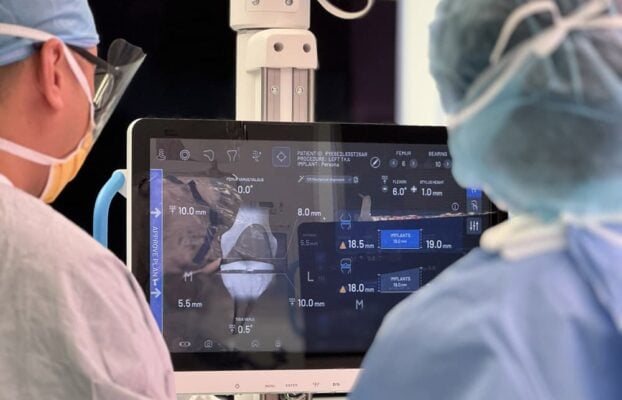
Prompt treatment limits damage and accelerates healing. Trust our fellowship-trained orthopaedic surgeons to restore mobility and function—supporting your return to an active lifestyle with a stronger, healthier knee. Hip & Knee Orthopaedics provides comprehensive meniscus tear care from diagnosis to full recovery.
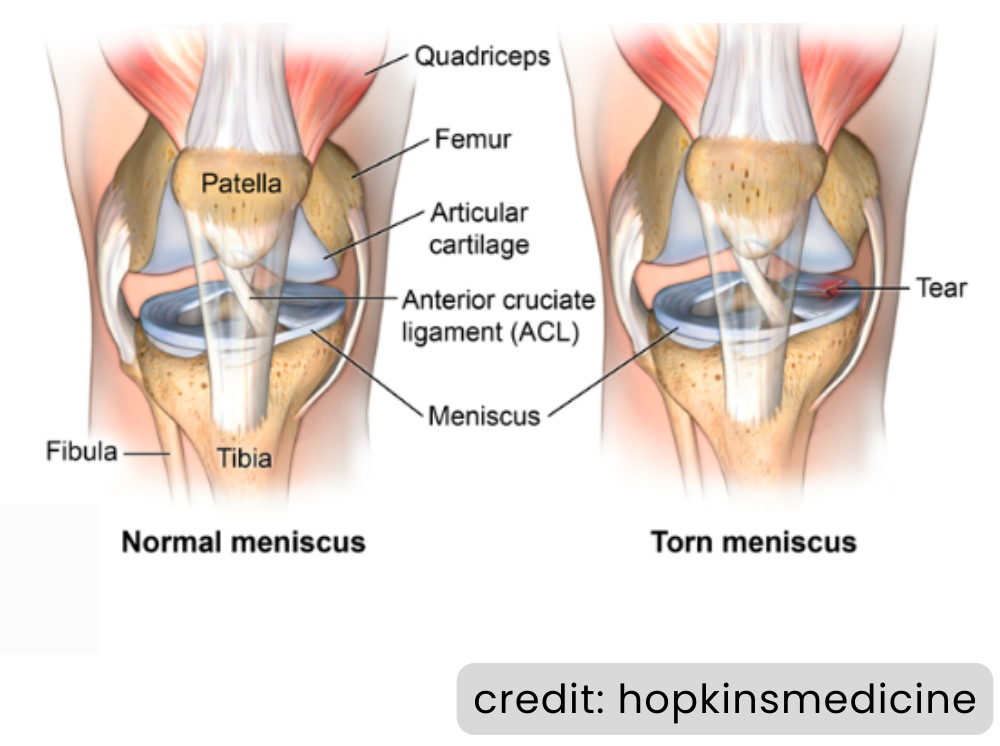
The meniscus is a crescent-shaped piece of cartilage located between the thigh bone (femur) and the shin bone (tibia). Each knee joint has two menisci: the medial meniscus on the inside and the lateral meniscus on the outside. These act as shock absorbers, distributing weight and reducing friction during movement. The cartilage in the knee plays a vital role in cushioning and maintaining stability in the knee joint.
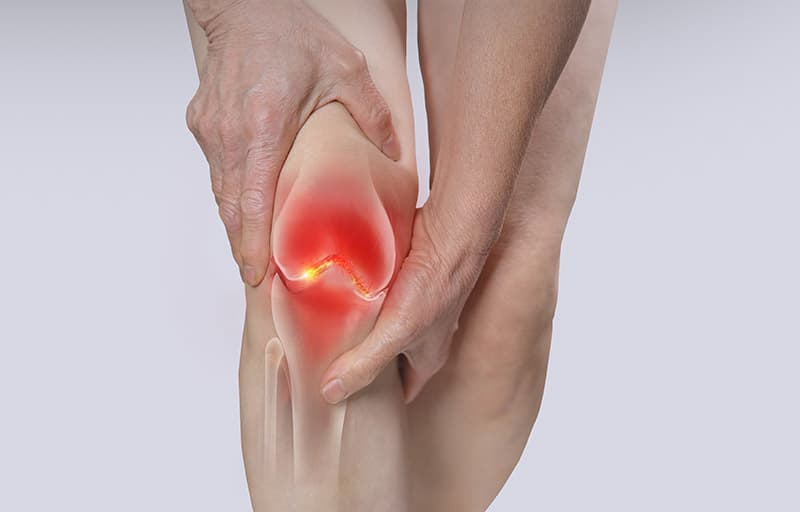
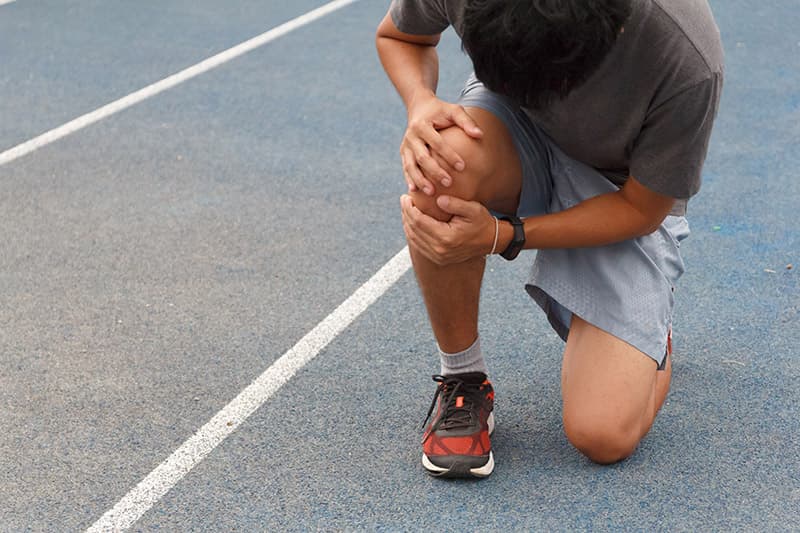
Meniscus injuries can occur due to trauma from sports, sudden twisting, or gradual degeneration, leading to knee pain, swelling and restricted motion.
A meniscal tear represents a critical disruption in the knee’s internal architecture, commonly arising from rotational forces imposed during dynamic physical activities or due to the gradual degradation associated with ageing (wear and tear). This injury not only underscores the vulnerability of the knee’s complex mechanism but also serves as a poignant reminder of the balance between resilience and fragility within human anatomy.
Nevertheless, a torn meniscus is a common knee injury that affects athletes, active individuals, and older adults alike. If the tear is small and located in a region with good blood supply, it can sometimes heal naturally with rest and conservative therapy.
A torn meniscus can present with varying degrees of pain, swelling, and limited mobility. Beyond the physical discomfort, it can also test an individual’s endurance and patience during recovery. Effective management through timely medical intervention and structured rehabilitation plays a crucial role in restoring health.
The symptoms can vary depending on the severity and location of the tear, but they generally include:
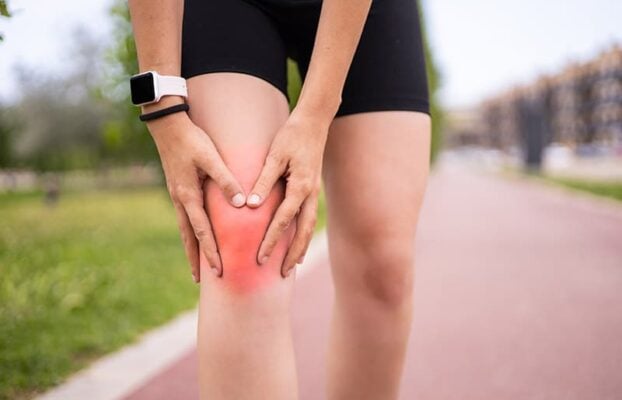
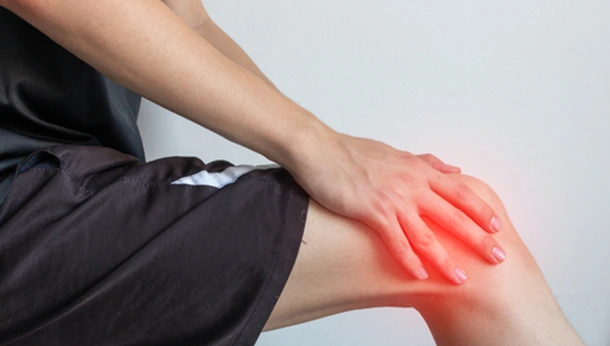
• Pain: Often localised on the side of the knee where the tear occurred. The pain may worsen when pressing on the meniscus, during movement, or when bearing weight on the knee. Pain relief through medication or rest may help alleviate discomfort in the early stages, whereas applying cold therapy can be effective to reduce pain and swelling.
• Swelling: The knee may swell due to inflammation caused by the injury. Swelling can occur immediately or be delayed by a few hours post-injury.
• Stiffness and Restricted Movement: You might struggle to straighten or bend your knee fully. The joint’s range of motion could be limited by pain or swelling.
• Locking or Catching:The knee may catch or feel like it’s locking during movement. In some cases, the knee locks entirely if torn cartilage becomes displaced. You might be unable to straighten it entirely if a piece of torn cartilage blocks the joint.
• Feeling of Instability: There might be a sensation that the knee is giving way or unable to support your weight, especially when turning or twisting. This knee instability can affect balance and mobility if not addressed promptly.
These symptoms can appear with varying intensity and may sometimes be mistaken for other knee injuries. Initial management often includes rest, anti-inflammatory medications, and pain relievers to reduce discomfort and swelling while awaiting a formal diagnosis. Applying rest, ice, compression and elevation (RICE) can help in early recovery.
A meniscus tear may result from:
• Contact sports like football or basketball involving sudden stops or pivots
• Age-related degenerative changes in the cartilage
• A specific injury such as a fall or blow to the knee joint
• Injuries associated with the anterior cruciate ligament (ACL)
• Repetitive stress during work or activity
Meniscus tears are the result of both traumatic and degenerative causes, depending on the activity level and age. A torn meniscus is among the most common knee injuries, particularly in athletes and older adults.
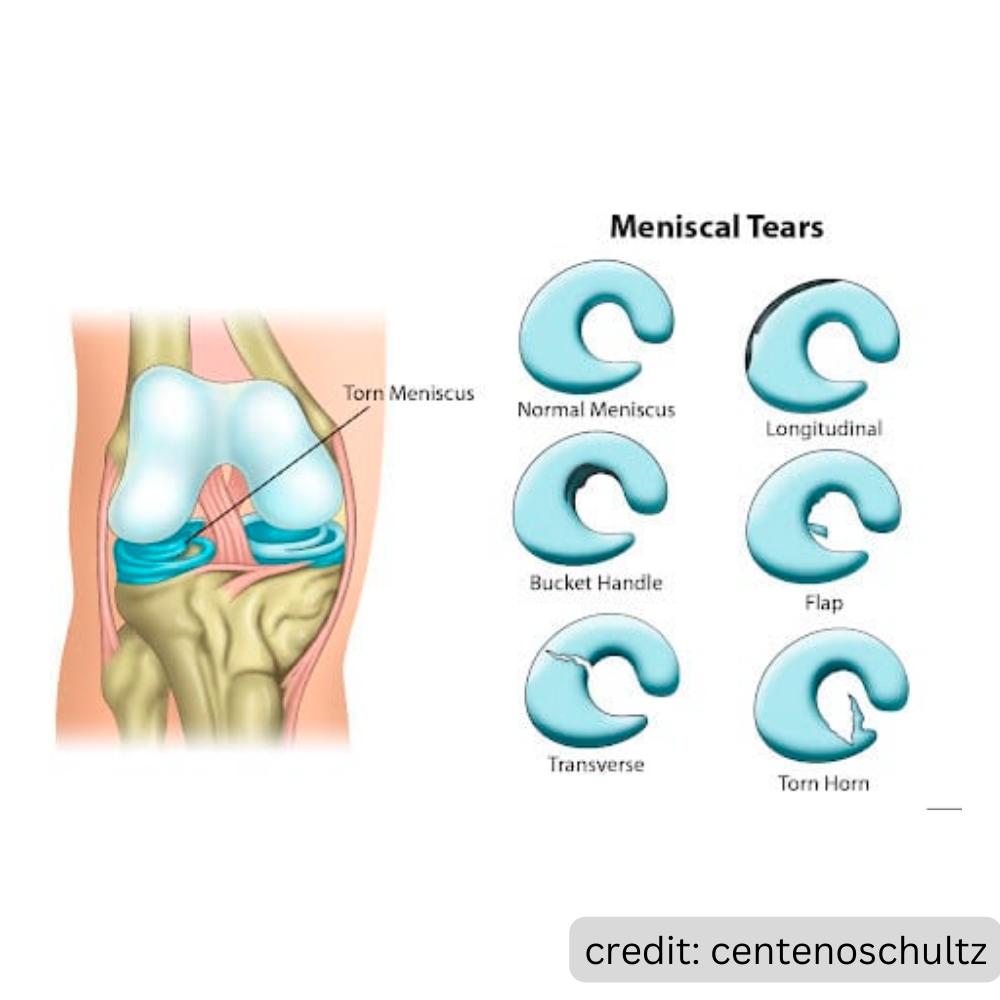
There are several types of meniscus tears, classified by shape and location:
• Radial Tears: Extend from the inner edge outward, often requiring surgery.
• Horizontal Tears: Run parallel to the tibial plateau and may be repairable.
• Flap or Parrot-Beak Tears: Cause mechanical symptoms like knee locking.
• Bucket-Handle Tears: A displaced tear that can block movement.
• Degenerative Meniscus Tears: Common in older adults with knee osteoarthritis.
• Complex Tears: A combination of tear types.
• Lateral Meniscus Tear or Medial Meniscus Tear: Location-specific, based on which side is damaged.
Diagnosing a meniscus tear often begins with a physical exam and patient history. To have a meniscus tear diagnosed, clinicians may use imaging like MRI or arthroscopy to confirm the location and severity of the damage. Here’s a structured approach to analysing this common yet complex knee issue:
• History: The doctor will begin by gathering detailed information about how the injury occurred, any history of previous knee injuries, and the specific symptoms you’re experiencing.
• Physical Exam: Various manoeuvres will be performed to stress the meniscus and evaluate for pain, tenderness, swelling, or mobility issues. One standard test is the McMurray test, which helps identify possible meniscal tears.
• McMurray Test: During the McMurray test, your knee is bent, straightened, and rotated to check for pain or clicking sounds. This rotation places strain on the part of the meniscus that may be torn, and a click or pain can indicate a tear. If you’re experiencing significant pain, the test may be omitted.
• X-Rays: Although torn knee cartilage is not visible on X-rays, this imaging is still important to rule out other conditions that may mimic meniscus tear symptoms.
• Magnetic Resonance Imaging (MRI): If a cartilage tear is suspected, an MRI scan of the knee provides detailed images of the soft tissues, including the meniscus, helping confirm the diagnosis and plan any necessary arthroscopic surgery. According to the study The Diagnosis of Meniscus Tears: The Role of MRI and Clinical Examination, “MRI before therapeutic arthroscopy for clinically diagnosed meniscus tears will reduce the number and cost of unnecessary invasive procedures.”
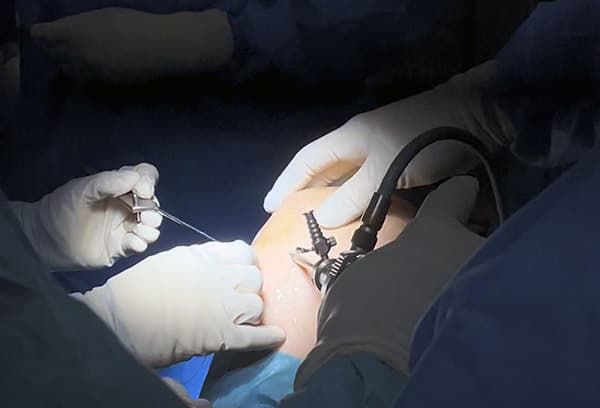
• Arthroscopy: As a minimally invasive procedure, arthroscopy is performed by our fellowship-trained orthopaedic surgeons to both diagnose and treat knee joint issues, including meniscal injury. Through small incisions and the use of advanced surgical instruments, we inspect the torn portion of the meniscus and tailor treatment accordingly. This technique ensures high precision and minimal disruption to surrounding soft tissues.
You will be given general anaesthesia, and once it has taken effect, the surgeon will make two small incisions over the front of the knee to perform an arthroscopic examination and tidy up the meniscus tissue. The edges of the tear are then freshened before small specialised implants are inserted to hold the tear together. These implants may be made of bio-inert or suture materials and are placed carefully so they do not impede knee movement during physical activities.
At the end of the meniscus repair, local anaesthesia will be applied around the wounds, or a nerve block might be administered near the knee joint to optimise postoperative pain control. Waterproof dressings will be applied over the incisions, and a shower cover will be provided. A rigid knee brace and crutches will be issued prior to discharge to support recovery.
The outcome of meniscus tear surgery depends on the tear pattern, your age, and rehabilitation compliance, but most patients recover excellent knee function.
Meniscus repair may be recommended based on the following clinical considerations:
• Type and Location of Tear: Repairs are more likely to be successful in areas with a rich blood supply, especially on the outer edge of the meniscus.
• Age and Health: Younger, healthier individuals, especially those who are physically active, are generally better candidates for surgical repair to maintain long-term knee function.
• Symptoms: Persistent knee pain, mechanical locking, or joint instability that do not improve with conservative measures may require intervention.
• Activity Level: Athletes or active individuals looking to return to high-impact sports may opt for repair to preserve the meniscus and maintain performance.
• Joint Health Goals: Timely repair can help preserve knee joint stability and reduce the risk of osteoarthritis over time.
It is important to assess whether you are a suitable candidate for meniscus surgery through careful evaluation by your orthopaedic specialist. These factors will be discussed with your surgeon to create a tailored plan.
Most patients fully recover following meniscus repair surgery and return to their normal activities, including sports. After the procedure, patients will need to attend regular clinic visits for dressing changes every 4 to 5 days until the two-week mark.
During this time, physiotherapy begins bi-weekly, focusing on strengthening exercises for muscles around the knee, restoring joint mobility, and minimising any swelling or oedema. Physical therapy generally focuses on rebuilding strength in the upper leg, especially around the hamstring and quadriceps, to support knee stability.
By the third month, patients can begin light jogging, with competitive sports typically reintroduced at the 6-month point post-surgery. Office work can resume once the dressing is removed after 2 weeks, allowing for a smooth return to day-to-day activities.
In older patients with degenerative meniscus tears, recovery may take longer, and outcomes can differ from those seen in younger individuals. For those with concurrent knee osteoarthritis, the prognosis may be less favourable due to underlying joint changes. A detailed discussion with your orthopaedic surgeon is important to set realistic expectations and develop a recovery plan tailored to your knee health and lifestyle. In some patients with combined ligament injuries, such as anterior cruciate ligament (ACL) tears, the surgeon may recommend ACL reconstruction at the same time as meniscus repair to fully restore knee stability.
Learn more tips for recovery after meniscus repair surgery, by Dr. Veera Reddy.
Preventing a cartilage tear is crucial for maintaining an active, pain-free lifestyle. While some accidents are unavoidable, there are several strategies you can adopt to reduce the risk of a meniscus injury.
If you have any signs of meniscus tear, early assessment and prevention strategies can help avoid further complications.
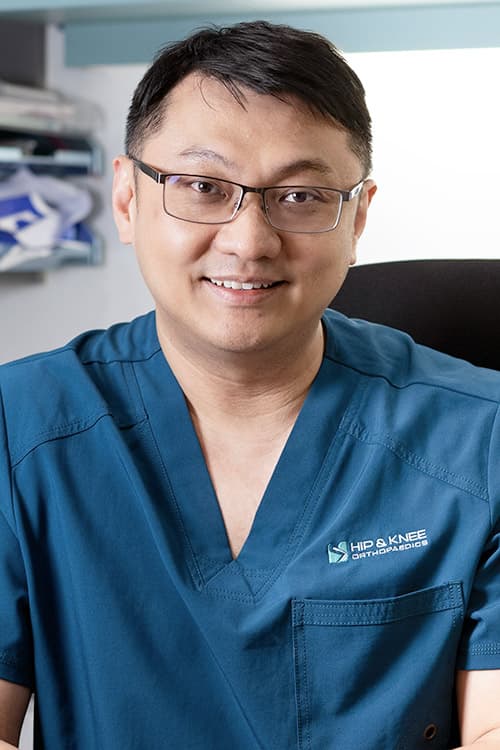
Our clinic not only focuses on treating existing injuries but also educates patients on proactive measures to prevent knee issues. Here are some essential tips to keep your knees strong and resilient:
• Targeted Exercises: Incorporating exercises that strengthen the muscles around your knees is vital. Strong muscles act as stabilisers, reducing the strain on the meniscus and helping to prevent tears. Strengthening the hamstring muscles along with the quadriceps provides essential support to the knee joint.
• Core Stability: A strong core supports the lower body, including the knees. Engage in exercises that improve core strength and balance, reducing the likelihood of falls or awkward movements that could result in injury.
We have assembled some packages to help our new patients.
Evaluation of Knee Pain with X-ray
• Regular Stretching: Maintaining flexibility is key to preserving a full range of motion in your knees, which helps decrease the likelihood of injuries like meniscus tears. Stretching should be part of your daily routine, with a focus on the lower body.
• Yoga and Pilates: These practices are excellent for enhancing flexibility, core strength, and balance, all of which contribute to knee health and help prevent injuries.
• Proper Equipment: Wear supportive footwear tailored to your activity. The right shoes absorb shock and provide stability, reducing the stress on your knees.
• Gradual Intensity Increase: Sudden increases in workout intensity or duration can put undue stress on the knees. Gradually ramping up your activity level allows your body to adjust and prevents overuse injuries like meniscus tears.
• Cross-Training: Engaging in a variety of exercises ensures balanced muscle development and reduces repetitive stress on one part of the knee joint, lowering the risk of knee injury.
• Healthy Weight Maintenance: Excess weight puts additional pressure on your knees, increasing the risk of a torn meniscus. Maintaining a healthy weight through proper diet and exercise can significantly reduce the load on your knee joints.
• Nutrition for Joint Health: A diet rich in calcium, vitamin D, and anti-inflammatory foods supports bone health and helps to reduce inflammation. This can further protect the meniscus from injury.
• Rest and Recovery: Give your body time to rest between intense workouts. Overworking your knees can lead to injuries, including cartilage tears. Avoid overuse and allow proper recovery time. In some mild cases, a small tear can heal on its own with conservative treatment, rest, and physical therapy.
• Seek Early Intervention: At the first sign of knee discomfort, consult with a specialist. Early intervention can prevent minor issues from escalating into more severe injuries that may require surgery.
Have questions? Our specialists are here to answer them, providing you with the knowledge and confidence to make informed decisions about your health.
Before surgery, preoperative physical therapy is highly recommended to enhance muscle strength around the knee, improve joint mobility, and reduce swelling. This prehabilitation helps optimise your postoperative recovery. Additionally, patients are required to fast for 6 hours before surgery to reduce any risks related to anaesthesia. It’s also essential to avoid skin irritants such as plasters or topical medications near the surgical site to prevent allergic reactions or complications during the procedure.
Health insurance typically covers meniscal repair due to its frequency and importance. However, it’s important to check your policy for specifics, such as copayments and deductibles. Some of the insurance providers in Singapore that offer coverage for Hip & Knee Orthopaedics include:
• Medisave
• NTUC Singapore
• AIA Singapore (extended panel)
• Prudential Singapore (extended panel)
• Great Eastern Singapore
• Single Medical Insurance
• HSBC Life Shield
Find out more here.
In some cases, a minor meniscus tear can heal with conservative treatments, including the RICE protocol (Rest, Ice, Compression, Elevation), physical therapy, and NSAIDs (Nonsteroidal Anti-inflammatory Drugs). These treatments can help reduce inflammation and support healing of the meniscal tissue, potentially avoiding the need for surgery in less severe cases.
The cost of meniscus repair surgery can range between $8,000 to $10,000 for the procedure itself. The total cost, which includes implants, consumables, anaesthesia, and the facility fee, may vary between $20,000 to $30,000, depending on the hospital, ward class, and length of stay. Be sure to check your insurance plan (such as Integrated Shield Plans, MediShield Life, or MediSave) to determine coverage and potential out-of-pocket expenses.
While any surgery carries some degree of risk, including complications like infection, bleeding, and postoperative issues, meniscus repair surgery is generally considered low to moderate risk due to advancements in arthroscopic techniques. The minimally invasive nature of the procedure allows for greater precision and quicker recovery times. The fellowship-trained surgeons who perform these procedures take great care during both the pre-surgery assessments and post-surgery recovery to minimise complications and ensure a smooth recovery.
A partial meniscectomy involves removing the torn portion of the meniscus, which can offer faster relief but may increase the risk of degeneration over time. Meniscus repair, on the other hand, aims to preserve the natural cartilage by stitching the tear, especially if it’s in the outer portion where blood flow supports healing. While repair requires a longer recovery, it offers better long-term knee joint stability and function, particularly for athletes or active individuals.
Yes, if not treated properly, a torn meniscus can cause serious long-term damage. The injured knee may develop chronic pain, swelling, or a sensation of the knee giving way. Over time, the cartilage damage can lead to joint instability and accelerate knee osteoarthritis. Early diagnosis and appropriate meniscus tear treatment—whether surgical or non-surgical (such as ice compression and elevation)—can help heal the torn part, relieve pain, or maintain healthy knee function, which may reduce the need for future knee replacement or joint surgery.
The anterior cruciate ligament (ACL) plays a crucial role in stabilising the knee joint. ACL tears frequently occur alongside meniscus injuries, particularly in high-impact sports. This combination can result in significant instability and may necessitate dual repair strategies to restore full function. When both the ACL and meniscus are injured, the knee depends on precise rehabilitation to heal properly. Addressing both injuries early improves outcomes and lowers the risk of long-term joint damage or chronic pain.
While symptoms of a meniscus tear, such as knee pain, swelling, and locking, can resemble other knee injuries, proper diagnosis is critical. A thorough physical exam, medical history, and imaging tests (like an MRI scan) are used to differentiate meniscal tears from ligament injuries, patellar tracking issues, or inflammation. A specialist in musculoskeletal medicine or sports medicine will assess the injured knee to pinpoint the torn portion of the meniscus and guide you towards the most effective treatment plan.
Restoring a damaged meniscus is essential for regaining optimal knee function, alleviating pain, and reducing the risk of long-term complications such as osteoarthritis. Surgical intervention is often focused on preserving the meniscus structure to maintain joint stability and ensure proper load distribution across the knee, supporting long-term joint health. An orthopaedic consultation can help determine the most appropriate treatment based on your specific injury, symptoms and lifestyle.
How long does recovery take depends on the type of tear, treatment method, and your rehabilitation progress. Most patients resume light activities within 3 months and sports within 6 months, depending on the severity of the injury.
The best strengthening exercises for meniscus tear recovery often include quadriceps strengthening, hamstring stretches, and low-impact activities like cycling or swimming to protect the knee while improving stability. Your doctor might recommend straight leg raises, seated knee extensions, mini squats, step-ups, and heel slides, which help restore range of motion, build muscle control, and support the joint without excessive stress. As recovery progresses, incorporating balance and proprioception exercises, such as single-leg stands or balance board training, can further enhance knee stability and coordination. These exercises are commonly recommended under medical supervision, but the exact programme should be personalised to the individual’s type of tear and stage of recovery.
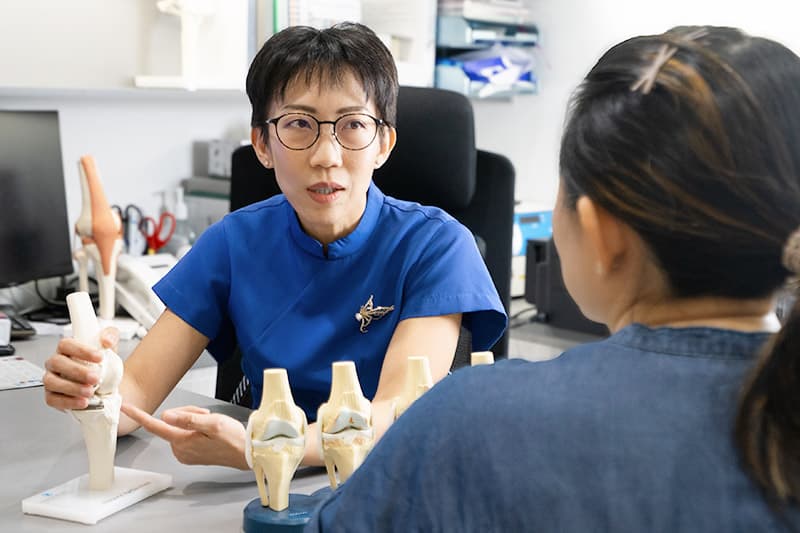
At Hip & Knee Orthopaedics, our multidisciplinary team consisting of orthopaedic specialists, physical therapists, and other healthcare professionals offers comprehensive diagnosis and treatment for meniscus injuries. We prioritise conservative, non-surgical treatment options when appropriate and explore surgical interventions only when necessary.
Our clinic provides holistic care for a torn meniscus, ensuring every patient receives thorough guidance from diagnosis through recovery.
Contact us to schedule a consultation and explore your ideal path to optimal knee function.

Dr. Tan is an orthopaedic doctor with subspecialty training in hip and knee surgery – making her the first female hip and knee replacement surgeon in Singapore

Dr. Adrian Lau is a specialist orthopaedic surgeon trained in primary and complex hip and knee arthroplasty. He was awarded the Ministry of Health Training Award in 2014.
Address
38 Irrawaddy Road,
Mount Elizabeth Novena Specialist Centre,
#09-21/38, Singapore 329563
Opening Hours
Monday to Friday: 9 am to 5 pm
Saturday: 9am to 1pm
Closed on Sundays and Public Holidays
Our doctors share their journeys as orthopaedic surgeons as well as offer insights and tips.