Published · Last updated
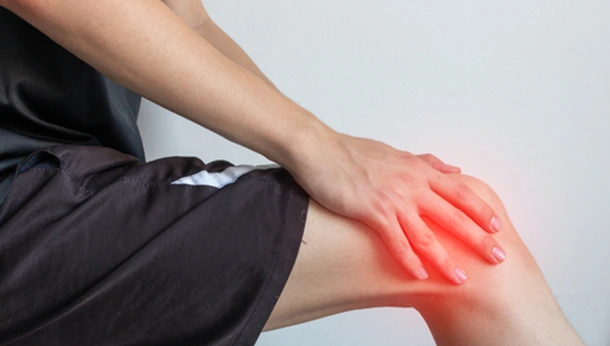
Knee pain is a common issue that can significantly impact your daily life and mobility. While surgery is sometimes necessary, you can effectively manage knee pain through non-surgical methods. In this blog post, we look at some strategies to help alleviate knee pain and improve your quality of life without surgery. We also touch briefly on surgical options when conservative care is no longer sufficient.
Jump to: Conservative Knee Pain Treatment
Understanding the Knee Structure
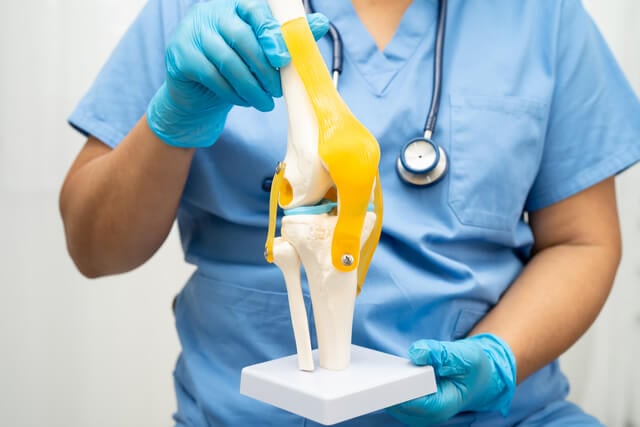
The knee joint connects the thigh bone to the shin bone and enables movement during walking, climbing and bending. Within the joint, cartilage and synovial fluid help cushion and lubricate movement, while the surrounding ligaments and tendons provide stability and guide motion. Damage to the knee cartilage can interfere with normal movement patterns and gradually affect daily comfort. Because knee joints bear body weight, repeated pressure and stress over time can increase the risk of wear. The knee and surrounding structures must work in coordination to protect stability throughout movement.
Common Causes and Symptoms
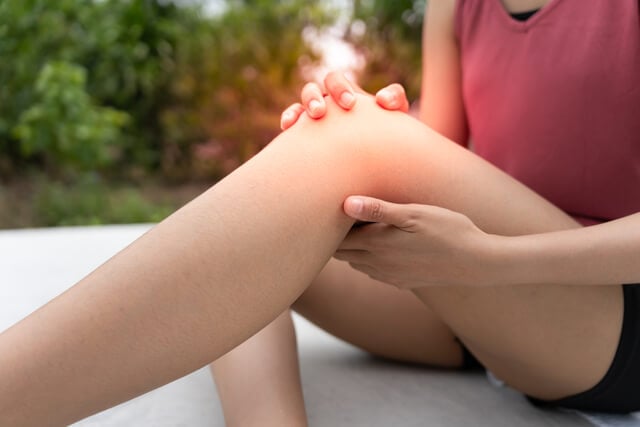
Knee pain is often linked to physical strain, trauma or age-related joint degeneration. The causes of knee pain may include overuse, poor movement mechanics, inflammation or injuries. Among them, the most common causes of knee conditions include direct impact, joint misalignment, or tissue breakdown over time.
Symptoms of knee discomfort may involve pain, swelling and stiffness, changes in movement, or instability when walking. The cause of continued discomfort is not always obvious and may require medical evaluation.
Injury and Disease Awareness
Knee injuries commonly occur during sudden movements, falls or impact during activity. Sports injuries frequently place strain on the anterior cruciate ligament, which is vital for joint stability. Besides the ligaments, a knee injury may also affect cartilage, tendons or surrounding soft tissues, leading to similar symptoms.
In some cases, imaging is needed to assess the extent of damage. An x-ray may be recommended to evaluate alignment issues, structural changes in the bones, or early signs of degeneration. Joint disease differs from acute injury because it develops gradually, affecting the structure and function of the knee over time rather than resulting from a single event. Degenerative changes of the knee can become an underlying cause of knee pain, even when no obvious injury occurred. Identifying early symptoms allows knee problems to be treated before long-term damage develops.
Non-Surgical Treatment for Knee Pain
Exercise and Physical Therapy
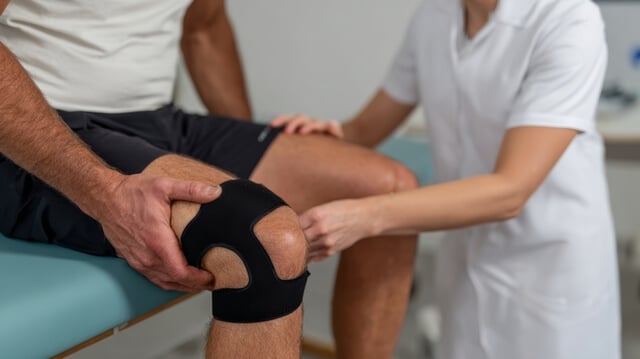
Firstly, regular exercise and physical therapy are crucial in managing knee pain. Strengthening the muscles around your knee can provide better support and reduce stress on the joint. Low-impact activities such as swimming, cycling and walking are excellent choices. A physical therapist can develop a personalised exercise programme tailored to your specific needs and limitations, helping to improve flexibility, strength and overall joint function. Strengthening the quadriceps muscles and improving muscle control around your knee joint can help protect joints from further decline. In the long run, you might feel less pain in your knees.
Read: Avoid These Exercises if You Have Osteoarthritis, Rheumatoid Arthritis or Joint Instability
Weight Management
Another crucial way to lessen stress on your knees is to ensure you maintain a healthy weight. Excess weight puts additional stress on your knees, aggravating pain and leading to further damage. Adopting a balanced diet and incorporating regular physical activity into your routine can help you achieve and maintain a healthy weight, ultimately reducing load. Additionally, avoiding activities that place excessive or poorly controlled strain on your knees, such as high-impact sports or lifting heavy loads with improper form, reduces the chance of future harm. Supportive footwear and knee braces can also help stabilise the joint, distribute pressure evenly and reduce pain for those who require help leading an active lifestyle.
Medications
If your knee discomfort flares up often due to daily strain or ageing, medication may support pain relief. Over-the-counter medications, such as non-steroidal anti-inflammatory drugs (NSAIDs), may be used for knee pain caused by inflammation. In some situations, your doctor may suggest alternative options like stronger medications or topical treatments based on the severity of symptoms. It is important to use medications responsibly and consult your healthcare provider to ensure suitability.
Injections
For some individuals, corticosteroid or hyaluronic acid injections can temporarily relieve knee pain. Corticosteroid injections reduce inflammation, while hyaluronic acid injections lubricate the joint, improving mobility and reducing pain. These knee pain management treatments can be beneficial for those with osteoarthritis or other inflammatory joint conditions. They may also be recommended for people with persistent discomfort who are not surgical candidates.
Alternative Therapies
Alternative therapies, such as acupuncture, chiropractic care and massage therapy, can complement traditional treatments for knee pain. These therapies can help relieve discomfort, improve circulation and promote relaxation. While not a substitute for conventional medical care, they can benefit from a comprehensive knee pain management plan.
Hot and Cold Therapy
If you experience knee pain from a fall, sudden strain or overuse, applying cold to the affected area can help relieve temporary discomfort and decrease inflammation. Cold therapy, such as ice packs, can numb the area and reduce swelling, particularly within the first 48–72 hours after an injury. Heat therapy, such as warm baths or heating pads, is more suitable for easing muscle tension and improving blood flow once the initial swelling has settled or for chronic stiffness. Alternating between hot and cold therapy may also help with knee pain management when symptoms are not in the acute phase.
Assistive Devices
Assistive devices like canes or walkers can provide relief and comfort by taking pressure off your knees and improving mobility. These devices can offer stability and support, making it easier to perform daily activities with less pain. It’s always best to consult a healthcare professional to determine the most appropriate assistive device for knee pain management.
Home-Based Care
Simple home remedies can support mobility and comfort. Elevation, compression and scheduled rest reduce pressure on the knee joint. Maintaining proper posture during daily movement protects the knee and reduces strain on the joint surfaces. A walking aid may also be helpful for balance.
Surgical Treatment for Knee Pain
When conservative treatments no longer provide sufficient relief and daily activities become increasingly difficult, surgical intervention may be recommended. The choice of joint replacement procedure depends on the cause of knee pain, the extent of joint damage, lifestyle needs and overall health.
Arthroscopic Knee Surgery
For certain conditions, minimally invasive arthroscopic surgery may be appropriate. This procedure involves inserting a small camera and surgical instruments through tiny incisions to examine and treat problems inside the joint. Arthroscopy may be used to repair torn cartilage, remove loose fragments, smooth damaged surfaces, or treat inflammation. This option is commonly considered for sports injuries, meniscus tears and early joint damage. Because it involves smaller incisions, recovery is usually quicker compared to open surgery, allowing patients to return to movement sooner under guidance from a healthcare professional.
Ligament and Cartilage Repair
When knee pain is caused by ligament injury or cartilage damage, surgical repair or reconstruction may be necessary to restore joint stability and movement. Anterior cruciate ligament (ACL) reconstruction, for example, is often recommended for patients with knee instability from sports injuries or trauma. Cartilage procedures may involve cleaning damaged tissue, stimulating cartilage growth, or transplanting healthy tissue into the injured area. These surgeries aim for knee pain relief, improved function and prevent degenerative changes from progressing further within the joint.
Partial Knee Replacement
If damage is limited to one area of the knee joint, partial knee replacement may be an option. This procedure replaces only the diseased portion of the joint, preserving as much healthy bone and tissue as possible. Patients may experience faster recovery times and more natural movement compared to total knee replacement. It is suitable for individuals with localised arthritis or joint degeneration affecting a single compartment of the knee.
Total Knee Replacement
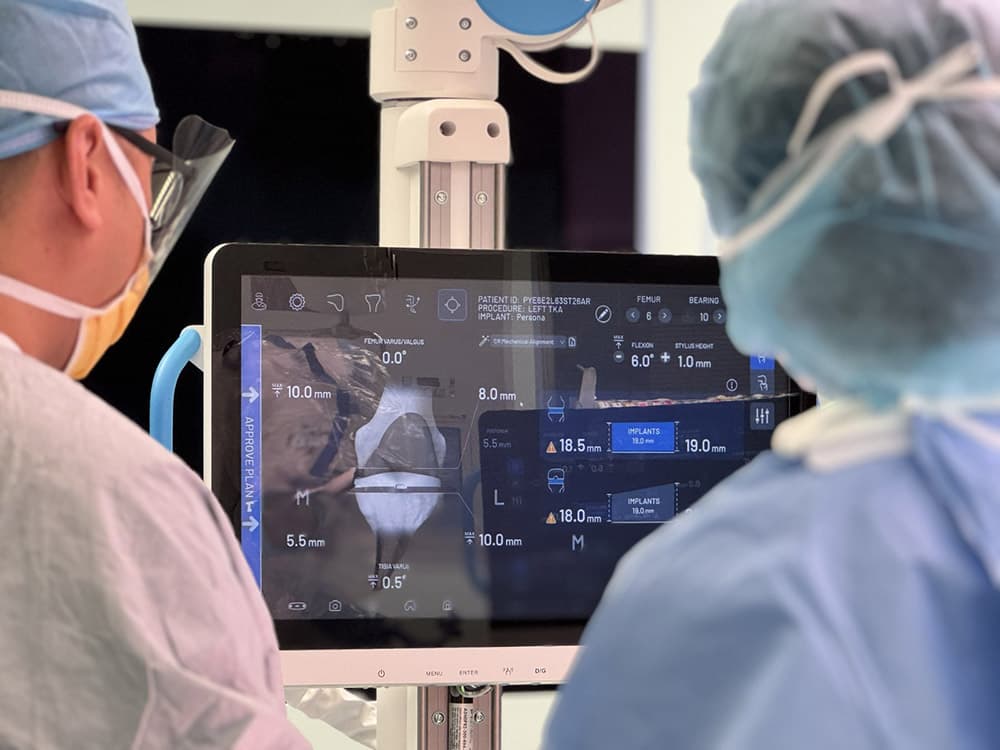
For advanced joint damage that affects the entire knee, total knee replacement surgery may be recommended. During this procedure, damaged cartilage and bone are removed and replaced with artificial components designed to restore joint movement and alignment. Total knee replacement seeks to reduce chronic pain, improve stability and allow patients to return to daily activities with greater comfort. Commonly considered for those with severe osteoarthritis or long-standing joint degeneration that does not respond to non-surgical treatment.
Life After Knee Surgery
Recovery and Rehabilitation
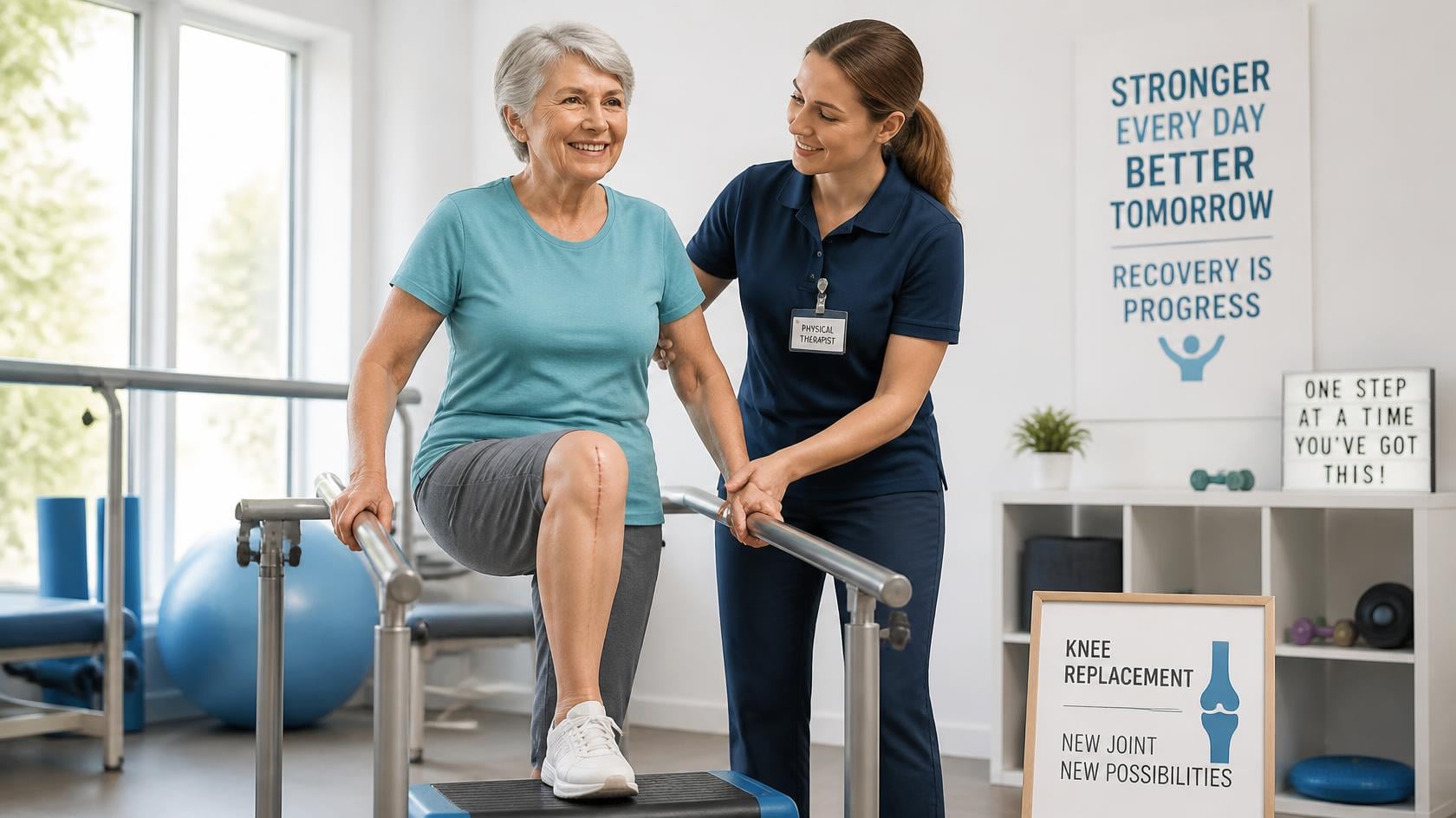
Post-surgical rehabilitation plays a vital role in restoring function and strength. Physiotherapy begins soon after surgery and focuses on improving range of motion, strengthening surrounding muscles and restoring walking patterns. Following rehabilitation guidance helps support long-term knee health and maximises outcomes from surgery.
Choosing the Right Treatment
Surgery is not always the first choice and is typically recommended only when conservative approaches have failed to provide adequate relief. A thorough assessment by an orthopaedic specialist allows for careful planning and tailored treatment based on individual needs. The goal of surgery is not only to relieve pain, but also to restore movement, stability and long-term joint function.
Taking Control of the Health of Your Knee
Can knee pain be treated without surgery? In many cases, mild knee pain can be managed without surgery using conservative treatments such as rest, physical therapy, ice or heat therapy, compression and lifestyle adjustments. Recovery depends on factors like age, the underlying cause, and the condition of the knee. However, if pain persists, or if instability or limitations in daily activities occur, a doctor can determine whether surgical treatment is necessary. Proper treatment selection improves function and independence.
Always consult with your healthcare provider to create a care plan suited specifically for you. At Hip & Knee Orthopaedics in Singapore, we support patients through every stage of knee replacement and conservative treatment. Many people report improved movement and reduced discomfort with us. Contact our team for guidance and professional care.